

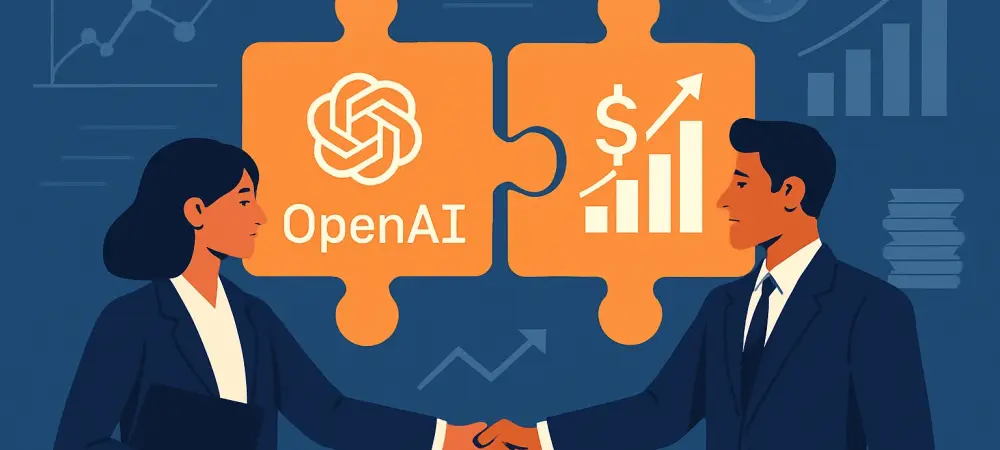
What if a single decision could redefine how millions manage their money, turning complex financial choices into seamless, personalized experiences that adapt to individual needs? In a world where technology evolves at breakneck speed, OpenAI’s recent acquisition of Roi, a trailblazing investment start-up, has sparked intense curiosity. This strategic move, finalized earlier this year, isn’t just a business transaction—it’s a potential revolution in how artificial intelligence shapes the financial landscape, promising tools that think and adapt like never before.
The significance of this acquisition lies in its timing and intent. With financial markets growing more intricate and individuals craving tailored solutions, the integration of Roi’s expertise into OpenAI’s vast AI capabilities could set a new benchmark. Roi, known for its innovative platform blending portfolio tracking with a chatbot for customized investment advice, aligns perfectly with the industry’s shift toward personalization. This story isn’t merely about a tech giant absorbing a start-up; it’s about the dawn of an era where AI could become a trusted financial companion for everyone, from casual investors to corporate giants.
Why This Deal Shakes Up AI and Finance
The union of OpenAI and Roi marks a pivotal moment for both sectors, blending cutting-edge AI with practical financial applications. Roi’s mission, since its founding three years ago, has been to make investing accessible through adaptive technology, a vision that caught the attention of a company valued at over $500 billion, according to recent Bloomberg reports. This acquisition signals a bold intent to push beyond traditional AI boundaries, focusing on solutions that understand individual needs with startling accuracy.
Unlike typical tech mergers, this deal prioritizes a niche but critical arepersonal finance. OpenAI, already a leader in AI innovation, gains a foothold in a market where users demand more than generic advice—they want tools that evolve with their goals. The potential to create hyper-personalized financial platforms could disrupt how people save, invest, and plan, positioning this move as a catalyst for broader industry change.
This isn’t just speculation; the numbers back up the momentum. Studies from fintech analysts suggest that AI-driven personalization in finance could increase user engagement by up to 75% over static tools. With OpenAI’s resources amplifying Roi’s foundation, the stage is set for a transformation that might redefine trust in financial technology.
The Growing Need for Personalized Tech in Today’s World
As digital landscapes expand, the era of one-size-fits-all solutions fades into obsolescence. Consumers now expect technology to anticipate their preferences, whether they’re streaming content or managing wealth. Roi tapped into this demand by crafting a platform that didn’t just track investments but offered tailored guidance through its AI chatbot, a feature that resonated deeply with users frustrated by impersonal apps.
This trend extends beyond finance, reflecting a societal shift toward customization across industries. Tech giants acquiring specialized start-ups, as seen with OpenAI’s pattern of snapping up innovators over the past two years, highlight a race to dominate user-centric design. The focus on personalization isn’t a luxury—it’s a necessity in a world where data overload complicates decision-making, especially in high-stakes areas like money management.
The urgency for such tools grows as financial literacy gaps persist globally. With millions lacking access to tailored advice, the integration of Roi’s approach with OpenAI’s scale could democratize expertise, bridging divides that traditional systems have long ignored. This acquisition underscores a critical pivot: technology must not only solve problems but also adapt to the unique contours of each user’s life.
How Roi’s Expertise Could Reshape Financial AI
Delving into the specifics, the merger promises to redefine what AI can achieve in finance through strategic integration. Roi’s platform, which paired real-time portfolio insights with personalized recommendations, offers a blueprint for OpenAI to build smarter, more intuitive applications. This could mean financial tools that not only track spending but predict future needs based on subtle behavioral patterns, a leap from today’s static dashboards.
Beyond direct applications, the ripple effects might touch other domains. Roi’s knack for crafting dynamic user experiences could inform OpenAI’s broader projects, much like their recent acquisitions in e-commerce and app development have expanded their scope. Imagine AI systems that personalize not just investments but shopping habits or productivity tools, creating a cohesive ecosystem driven by individual preferences.
The competitive landscape stands to shift as well. With OpenAI’s financial muscle—evidenced by their staggering valuation—Roi’s vision could scale rapidly, challenging established fintech players to innovate or risk obsolescence. Industry observers note that personalized AI tools are already gaining traction, with adoption rates climbing 30% annually per recent surveys. This acquisition isn’t a mere addition; it’s a declaration of intent to lead the next wave of technological evolution.
Expert Perspectives on the Acquisition’s Potential
Insights from industry voices add weight to the transformative possibilities of this deal. Sujith Vishwajith, Roi’s co-founder and CEO, who has now joined OpenAI following the start-up’s operational wind-down, once stated on the company’s site that their goal was to replace rigid financial tools with adaptive allies. This philosophy dovetails with OpenAI’s history of targeting niche pioneers to enhance their AI arsenal, a strategy evident in their moves over the last couple of years.
Analysts echo this optimism, pointing to data that underscores the market’s readiness for change. A recent report from a leading fintech research group projects that AI-driven personalization could account for 40% of growth in the sector by 2027, starting from this year. Such statistics suggest that OpenAI’s investment in Roi isn’t a gamble but a calculated step toward capturing a burgeoning demand for customized solutions.
Moreover, competitors are taking note. The acquisition mirrors a wider trend where tech leaders bolster their portfolios with specialized talent, a pattern that has intensified recently. This convergence of expertise and ambition, as one market expert described it, could position OpenAI at the forefront of a paradigm where AI doesn’t just support financial decisions—it personalizes every step of the journey.
Preparing for the Future of AI-Driven Finance
For individuals and businesses alike, the implications of this shift demand proactive engagement with emerging technologies. Exploring platforms that prioritize customization, much like Roi’s original offerings, can provide an edge in managing finances more effectively. Early adoption of such tools might mean the difference between merely keeping up and staying ahead in an increasingly personalized market.
Keeping abreast of OpenAI’s developments is equally crucial. As they integrate Roi’s innovations, new features or products could emerge, offering unique advantages to those who adopt them swiftly. Monitoring announcements or beta releases over the coming months will be key to leveraging advancements that could redefine financial planning or investment strategies.
Finally, prioritizing adaptability in tool selection offers long-term benefits. Opting for AI solutions that learn from user data over static alternatives ensures relevance as needs evolve. Whether managing personal savings or steering corporate investments, aligning with technology that mirrors individual goals positions users to thrive in a landscape where personalization isn’t just an option—it’s the standard.
Reflecting on this landmark acquisition, it becomes clear that OpenAI and Roi together forge a path toward a more intuitive financial future. Their combined efforts hint at a world where technology doesn’t just assist but truly understands user aspirations. Looking ahead, the challenge rests on stakeholders—investors, businesses, and everyday users—to embrace these innovations, ensuring that the promise of personalized AI translates into tangible empowerment for all.