

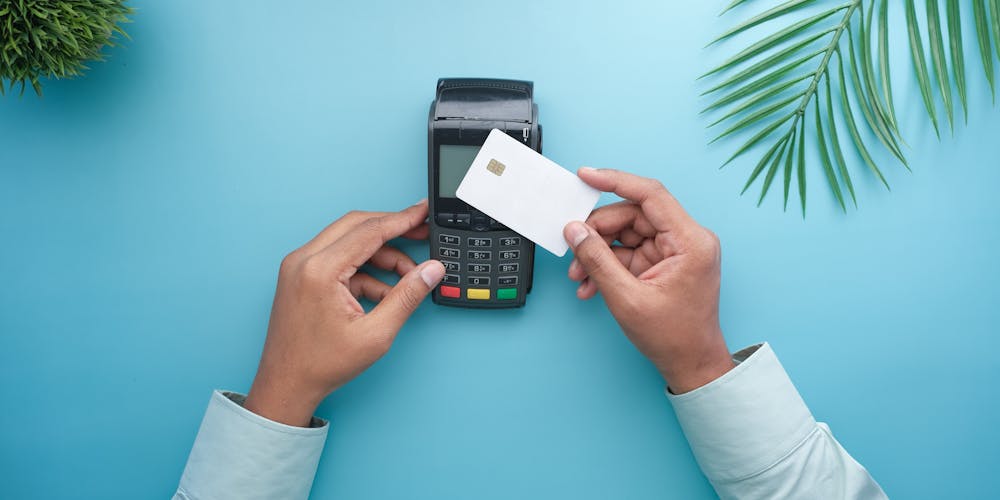
The NFC Forum has introduced an innovative concept known as the “Multi-Purpose Tap,” designed to significantly enhance the utility and functionality of NFC (Near Field Communication) terminals commonly used for contactless payments. This concept aims to transform the user experience by expanding the capabilities of a single tap of a card or smartphone on an NFC terminal, moving beyond simple payment transactions to include a wide range of additional functions and services. As a result, both consumers and retailers are set to benefit from more versatile, personalized, and efficient transaction processes.
Expanding the Capabilities of NFC Terminals
Multifunctional Transactions
One of the key features of the Multi-Purpose Tap is its ability to perform multiple actions with a single interaction, thereby simplifying and enriching the user experience. Users could activate point-to-point receipt delivery, log loyalty points, submit IDs, and even use transit cards all with just one tap. This marks a significant shift from the current state of contactless transactions, which typically focus solely on payment processing. By incorporating these additional functionalities, the Multi-Purpose Tap aims to create a more personalized experience that addresses a broader range of consumer needs.
Moreover, this enhanced capability is expected to streamline various aspects of the transaction process. For instance, consumers can check sale pre-conditions, such as permissions, discounts, and loyalty points, before making a purchase. This seamless integration of multiple services can significantly reduce the time and effort required to complete a transaction. Additionally, post-processing actions like receipt generation and data processing can be executed more efficiently, providing both consumers and retailers with valuable insights and records. Essentially, the Multi-Purpose Tap aims to consolidate multiple steps into a single, cohesive action, thereby optimizing the entire transaction process.
Industry and Consumer Benefits
Mike McCamon, the Executive Director of NFC Forum, has highlighted the potential benefits of this groundbreaking technology. He emphasizes that contactless payments are already secure, reliable, and convenient, but the integration of additional services within the same tap could further enhance these attributes. This innovation would not only simplify user interactions but also enrich them, making everyday transactions more efficient and enjoyable. For retailers, this presents an opportunity to offer a more comprehensive range of services through their NFC terminals, thereby improving customer satisfaction and boosting loyalty.
To ensure this transition is smooth and effective, the technology must be integrated into smartphones, NFC terminals, and potentially redesigned apps to facilitate seamless interaction with NFC devices. This will require collaboration between hardware manufacturers, software developers, and service providers to create a unified ecosystem that supports the Multi-Purpose Tap. The overarching trend in the industry is towards more multifaceted, convenient, and integrated payment solutions. By incorporating these elements, both consumers and retailers stand to gain from a more streamlined and versatile transaction process.
Multifaceted Upgrade and Industry Trends
Towards Multifunctionality
A granular analysis of the current landscape reveals a consensus on the necessity for multifunctionality in payment systems. The ability to personalize user experiences and streamline transactions is seen as a key driver of innovation in the industry. This evolution is in line with broader movements towards smart, interconnected systems that offer comprehensive service delivery. With the Multi-Purpose Tap, NFC technology is poised to break new ground by integrating multiple functions into a single interaction, thereby offering a cohesive and efficient user experience.
This progression towards multifunctionality aligns with the growing demand for smart, interconnected systems across various sectors. Industries are increasingly adopting technologies that offer comprehensive solutions, and the Multi-Purpose Tap fits perfectly into this paradigm. By leveraging the inherent advantages of NFC technology, this concept promises to deliver a more enriched and personalized transaction experience. The anticipated standards and technological upgrades required to support this concept signal a significant development in the realm of NFC technology, paving the way for more sophisticated and integrated payment solutions.
Future Prospects
The NFC Forum has unveiled an ingenious idea called “Multi-Purpose Tap,” aimed at expanding the utility and functionality of NFC (Near Field Communication) terminals typically used for contactless payments. This new concept aspires to revolutionize the way we interact with NFC technology by enhancing the user experience. It extends the utility of a single card or smartphone tap beyond mere payment transactions to include a broader array of additional services and functions. For instance, a single tap could not only complete a purchase but also offer loyalty points, initiate product information downloads, or even provide personalized promotions tailored to the user.
This advancement is poised to offer significant benefits for both consumers and retailers. Consumers can enjoy a more streamlined and enriched experience, accessing multiple services effortlessly with one action. Retailers, on the other hand, can enhance customer engagement and operational efficiency by leveraging this multifaceted tool. The Multi-Purpose Tap promises a seamless, personalized, and efficient transaction process, ultimately making everyday interactions quicker and more convenient for everyone involved.