

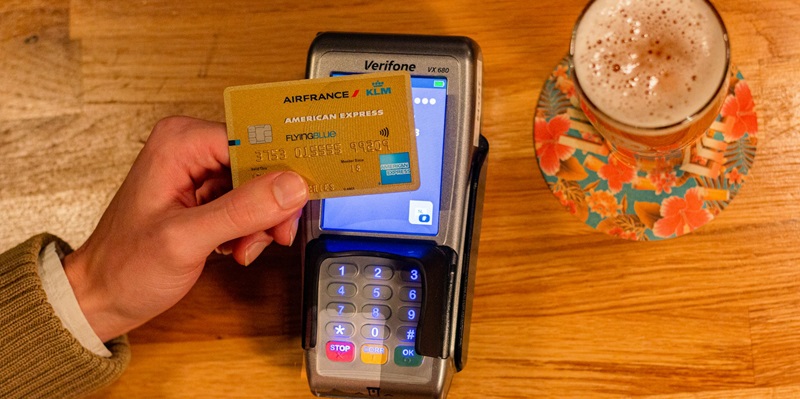
Nepal Rastra Bank (NRB) is taking significant steps to enhance the digital payment landscape, particularly for cross-border financial transactions. This initiative is a response to increasing complaints from traders about the difficulty of executing international transactions. With the upcoming monetary policy for the fiscal year 2024/25, NRB is set to implement measures that will further bolster digital platforms for cross-border payments.
Initiatives to Facilitate Seamless Cross-Border Payments
NRB’s proactive approach is largely shaped by its governor, Maha Prasad Adhikari, who has underscored the forthcoming monetary policy’s commitment to supporting the expansion of digital platforms for cross-border payments. This commitment includes licensing payment service operators and payment service provider companies to conduct financial transactions with third countries. These firms are currently in the process of integrating with their international partners, aiming to simplify cross-border commerce by bridging the gap between Nepalese traders and their global counterparts. By leveraging technological advancements, NRB intends to streamline financial transactions, reduce friction in international trade, and foster a more inclusive financial environment.
Key Measures and Policies
Governor Adhikari has emphasized that the integration of these payment service operators with their international partners is critical. This strategy is a clear demonstration of NRB’s dedication to fostering a seamless, efficient, and secure cross-border payment system. Achieving this involves a myriad of steps, including aligning with global financial practices and ensuring that digital transactions are both user-friendly and trustworthy. These initiatives are part of a broader effort to position Nepal as a competitive player in the global market and to support local traders in navigating international trade challenges more effectively.
Digital Payment Facilities for Remittances
Starting in March, NRB introduced several digital payment facilities specifically aimed at easing cross-border remittances and associated transactions. One of the most significant measures includes enabling Nepali workers residing in India to send money to Nepali banks using various electronic banking modes such as e-banking, interbank payments, mobile banking, and QR codes facilitated through the National Payment Switch. These digital innovations not only simplify the process of money remittance but also ensure that funds are transferred quickly and securely, thus meeting the financial needs of workers abroad and their families back home more efficiently.
Moreover, NRB’s efforts extend beyond just facilitating remittances from India. The introduction of these digital payment facilities reflects a broader vision of financial inclusion and enhanced access to digital banking for all Nepali citizens, regardless of where they are in the world. By leveraging technology, NRB aims to strengthen the financial ties between Nepali expatriates and their homeland, fostering economic stability and growth through increased remittances. These remittances are a vital source of income for many families, and the enhanced ease of transaction is expected to spur greater financial activity.
Payment Systems with Thresholds for India
To ensure secure and manageable transaction volumes, NRB has established a structured remittance system for sending money from Nepal to India. This system is defined by a daily transaction threshold of up to INR 15,000 and a monthly cap of INR 100,000. Such measures are strategically implemented to maintain the security of financial transactions while fostering greater financial inclusion among Nepali workers in India. This approach safeguards both senders and receivers, ensuring that the remittance process is not only smooth but also secure, thus building greater trust in the digital payment ecosystem.
This system of thresholds reflects NRB’s understanding of the need for a balanced approach toward digital payments, where ease of transaction coexists with robust security protocols. By implementing these caps, NRB ensures that the remittance process adheres to international standards of financial safety, reducing the risks of fraud and unauthorized transactions. These measures contribute to creating a resilient financial environment that can support the growing needs of Nepali citizens engaged in cross-border economic activities.
Expansion to Third Countries and Risk Management
Expanding beyond its immediate borders, NRB has initiated steps to extend digital payment services to third countries. This initiative is designed to facilitate foreign nationals’ payment in foreign currencies when purchasing goods and services from Nepali traders using QR codes issued in their home countries. On a reciprocal basis, Nepali citizens traveling to third countries can use QR codes linked to their Nepali bank accounts to make foreign currency payments. These measures are part of a comprehensive strategy to make global travel and commerce easier for Nepali citizens, thereby fostering a more connected and inclusive financial ecosystem.
Enabling Foreign Payments and Reciprocal Benefits
Enabling these cross-border digital transactions offers substantial benefits for both Nepali traders and travelers. For traders, it expands the market, allowing them to cater to an international clientele without the complications typically associated with currency exchange and transaction delays. For Nepali citizens, the reciprocal payment system means that their travels and international purchases are simplified, reducing the need for multiple currency exchanges and enabling seamless financial transactions abroad. This initiative underscores NRB’s commitment to not only modernizing but also globalizing Nepal’s financial infrastructure.
Risk Analysis and Management
Alongside expanding the scope of digital payments, NRB has mandated that banks must independently analyze, manage, and mitigate risks associated with these transactions. This requirement highlights the central bank’s focus on ensuring the security and reliability of the expanding digital payment ecosystem. By demanding rigorous risk management practices, NRB aims to protect the financial interests of users while maintaining a secure and trustworthy environment for digital transactions. This proactive stance on risk management is crucial as the digital payment landscape continues to evolve, bringing with it both opportunities and challenges.
Banks are encouraged to implement advanced risk assessment tools and strategies, including real-time monitoring and fraud detection mechanisms. Such measures are essential to safeguard against potential threats and to maintain the integrity of the digital financial framework. NRB’s emphasis on robust risk management practices ensures that as digital payments become more prevalent, the systems in place will be resilient enough to handle complexities and emergent risks associated with cross-border transactions.
Collaborations with Other Central Banks
Collaborations with other central banks are an essential component of NRB’s strategy to enhance the digital payment landscape. One of the most noteworthy agreements is with the Reserve Bank of India (RBI), which aims to integrate India’s Unified Payments Interface (UPI) with Nepal’s National Payment interface. This collaboration is designed to streamline and facilitate smoother cross-border remittances, further simplifying the process for Nepali workers sending money back home from India. This partnership not only underscores the importance of regional cooperation but also sets the groundwork for more extensive future collaborations.
Collaboration with the Reserve Bank of India
The integration of UPI with Nepal’s payment infrastructure symbolizes a significant step towards achieving seamless financial transactions between the two countries. This move is expected to reduce transaction costs, enhance transaction speed, and increase financial accessibility for individuals and businesses alike. The partnership with RBI also serves as a blueprint for similar collaborations with other countries, demonstrating how regional collaboration can drive technological advancements in financial systems.
Upcoming Agreements with Alipay and LankaPay
Additionally, NRB is in the process of forging similar agreements with Alipay of China and LankaPay of Sri Lanka. These potential collaborations aim to broaden the horizon for seamless cross-border digital payments, signaling NRB’s commitment to harmonize Nepal’s financial infrastructure with global digital payment trends. By integrating with these established payment platforms, NRB aims to offer its citizens unparalleled ease and security in managing cross-border transactions. Such initiatives are expected to significantly enhance Nepal’s financial connectivity on a global scale, thereby fostering greater economic growth and stability.
These upcoming agreements with global payment giants like Alipay and regional partners like LankaPay are strategic moves to position Nepal as a key player in the regional digital economy. They highlight NRB’s forward-thinking approach to embracing technological advancements and fostering international cooperation. By aligning with these platforms, NRB ensures that Nepalese traders and citizens have access to a modern, efficient, and globally integrated financial ecosystem.
Broader Economic Implications and Support Measures
While focusing on enhancing the digital payment landscape, NRB also addresses the broader economic implications of its forthcoming monetary policy. Governor Adhikari has acknowledged that although external sectors of Nepal’s economy, such as exports, are performing well, several internal segments, including construction, the real sector, and small and medium-sized enterprises (SMEs), are struggling. In light of these challenges, the central bank’s upcoming policy is anticipated to include measures aimed at supporting these lagging segments, thereby ensuring balanced and inclusive economic growth.
Economic Disparities and Support for Struggling Sectors
To address these economic disparities, NRB is expected to introduce targeted policy measures that support struggling sectors. These measures may include financial assistance programs, targeted loans, and incentives designed to stimulate growth in the construction sector, real economy, and SMEs. By infusing these sectors with the necessary financial support, NRB aims to foster resilience and promote sustainable economic recovery. This holistic approach is essential to ensure that the entire economy benefits from the digital transformation and technological advancements being implemented.
Amendments to Working Capital Loan Guidelines
Nepal Rastra Bank (NRB) is making noteworthy efforts to improve the digital payment ecosystem, especially for international financial transactions. This move is driven by mounting complaints from traders who face challenges in executing cross-border transactions. Recognizing the need for smoother, more efficient processes, NRB is gearing up to introduce new measures in its upcoming monetary policy for the fiscal year 2024/25. These measures aim to strengthen and streamline digital platforms, thereby facilitating easier and more reliable cross-border payments. The intention behind this initiative is to address traders’ frustrations and to align with global trends in digital finance, ensuring Nepal remains competitive in the international market. By bolstering digital payment systems, NRB hopes not only to resolve existing issues but also to pave the way for enhanced economic interactions and growth. This strategic move underscores NRB’s commitment to leveraging technology to drive progress and efficiency in the financial sector, ultimately benefiting traders and the broader economy.