

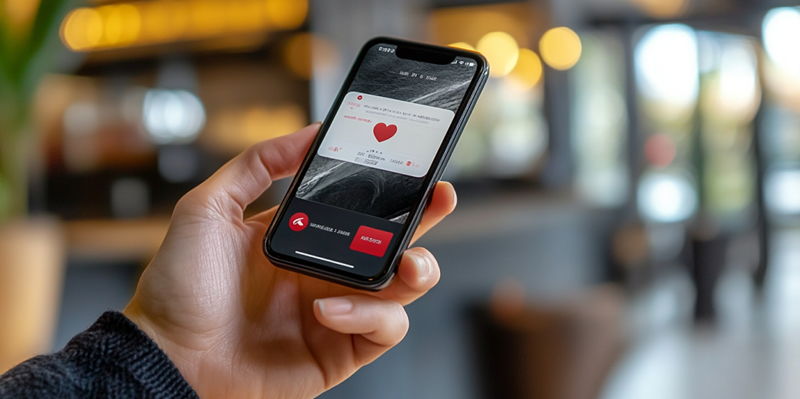
NatWest, a leading UK banking institution, and Mastercard, a global payment solutions provider, have launched a groundbreaking mobile virtual card solution for UK businesses called Approval2Buy with Mobile Virtual Cards. This innovative payment system aims to simplify and secure corporate payments by leveraging Mastercard’s advanced technology. The mobile virtual card allows for instantaneous generation and usage through digital wallets for online and tap-and-go transactions worldwide. With a focus on flexibility and security, this new technology is set to redefine how businesses handle their financial transactions.
The solution targets various business needs, such as providing payment options for temporary workers, infrequent travelers, and other ad-hoc expenses. By eliminating physical cards, it reduces administrative burdens and enhances transaction speed and flexibility. Business owners will find the customizable spending limits and usage controls particularly beneficial, as they can tailor financial management and oversight specific to merchants or locations. These features not only ensure better control over expenses but also mitigate risks associated with unauthorized transactions, providing peace of mind for business owners and financial managers alike.
Simplifying Corporate Payment Processes
One of the most significant advantages of Approval2Buy with Mobile Virtual Cards is the simplification of corporate payment processes. Traditional payment methods often entail a series of administrative tasks that can slow down operations and increase costs. Physical cards need to be issued, monitored, and sometimes replaced, leading to delays and additional expenses. In contrast, the mobile virtual card can be generated and used instantly, streamlining the entire payment process. This reduced turnaround time allows businesses to operate more efficiently and focus on their core functions rather than getting bogged down by payment logistics.
Moreover, the ability to use virtual cards both online and at point-of-sale via mobile phones introduces new possibilities for businesses. Temporary workers and infrequent travelers can be given access to funds quickly and securely, without waiting for a physical card to arrive. This flexibility is particularly advantageous in today’s fast-paced business environment, where time and efficiency are crucial. Companies can respond more dynamically to financial needs, ensuring that employees and services are funded without unnecessary delays.
Enhancing Security and Financial Control
Approval2Buy with Mobile Virtual Cards emphasizes advanced security features to protect businesses from unauthorized transactions. The virtual cards offer customizable spending limits and usage controls, which can be tailored to specific merchants or locations. By eliminating the need for physical cards, this solution reduces the risk of loss or theft and provides enhanced oversight over financial activities.
Furthermore, the instantaneous generation and usage of the mobile virtual card through digital wallets ensure that funds are quickly accessible when needed, without the vulnerabilities associated with traditional card delivery and activation processes. This integration of convenience and security empowers business owners and financial managers to maintain tighter control over their expenses and mitigate potential risks, thereby optimizing their financial operations.