

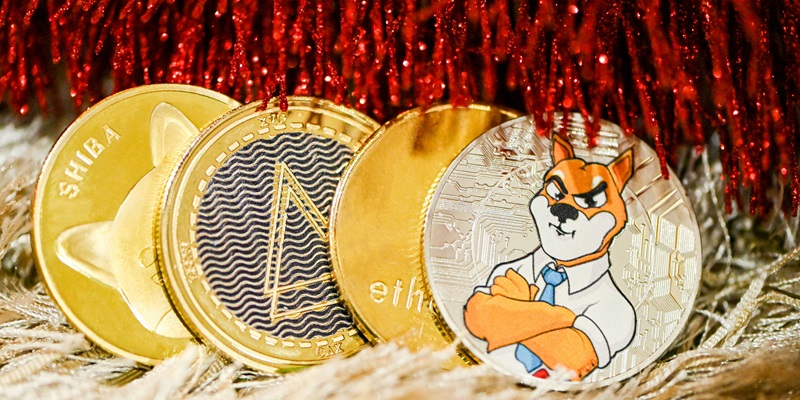
Meme coins have transformed from a niche interest into a significant force in the cryptocurrency landscape, and their advance is nowhere more apparent than in the TON Foundation’s introduction of Memelandia on April 16. This event signals a paradigm shift for meme coins, emphasizing their commercial viability and cultural impact. Memelandia isn’t just a virtual platform; it is poised to become a hub for cultural exchange, propelling meme coins from the fringes to the mainstream of the blockchain community. The initiative recognizes the potential of meme coins, marking a milestone in their evolution from online jest to key crypto players. Through Memelandia, the TON Foundation enables these assets to cement their place in the digital currency ecosystem.
Embracing Community-Centric Tokens
The TON blockchain is bridging the gap between community-fueled fervor and conventional trading systems through its emphasis on meme tokens. Memelandia isn’t just about highlighting meme coins; it acts as an incubator for a new kind of token powered by community support and pop culture relevancy. By facilitating marketing and financial incentives, Memelandia ensures lesser-known projects gain visibility in a landscape dominated by utility and protocol-focused cryptocurrencies.
The project boasts a real-time leaderboard named The Open League, which ranks the meme tokens based on their market strength and capacity to attract investors. Key indicators include Total Value Locked, showing the degree of trust and monetary support for these assets, and community size, as reflected by holder numbers. Additional metrics like trading volume and airdrop participation gauge the market’s acceptance. This comprehensive framework is designed to promote meme coins with a foundation built on transparency and community confidence.
Fuelling Growth with Innovative Strategies
Memelandia, in alliance with TON, envisions a future where meme coins transcend their humorous origins, integrating meaningful utility into the Web3 sphere. These currencies are poised to become pivotal in fostering community engagement, a trajectory exemplified by the popularity of Notcoin on Telegram—a platform that aligns with TON’s ethos of blending entertainment with functionality. On the TON blockchain, meme coins have the ideal ecosystem to thrive, avoiding the network congestion other platforms like Solana have encountered.
Thanks to TON’s robust infrastructure, meme coins have the potential for sustained development, a trend reflected in Toncoin’s positive market performance. Initiatives like Memelandia illustrate TON’s perceptive market understanding and willingness to innovate at the intersection of amusement and finance. The TON Foundation’s backing underscores their commitment to creativity, recognizing the magnetism and viral quality of meme coins in the cryptocurrency sector.