

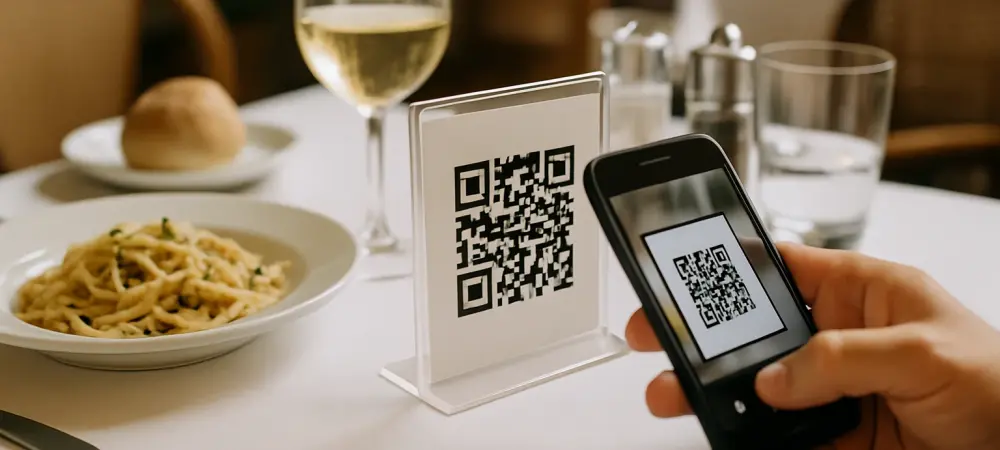
What if settling a restaurant bill took just a split second, with no need to wave down a server or dig through a wallet for cash or cards? In the bustling dining scenes of the Gulf Cooperation Council (GCC) region, where meals are as much about culture as they are about food, this seamless experience is becoming a reality. A groundbreaking partnership between Mastercard and Qlub, a Dubai-based fintech innovator, is setting out to transform how payments are made in restaurants across countries like the UAE and Saudi Arabia. This collaboration promises to blend cutting-edge technology with everyday dining, sparking curiosity about how technology can elevate even the simplest interactions.
Why Dining Payments Need a Shake-Up in the GCC
The GCC is a hub of social dining, with restaurants often packed and wait times for bill settlement stretching longer than the meal itself. A recent study by Statista indicates that over 60% of consumers in the region prefer contactless payments for speed and convenience, yet many eateries still rely on outdated systems. This gap between expectation and reality creates frustration for diners and operational headaches for businesses, making the hospitality sector ripe for innovation.
Beyond consumer demand, the region’s economic landscape amplifies the urgency for change. With national initiatives like Saudi Vision 2030 pushing for a cashless society, the pressure is on for industries to adapt swiftly. Hospitality, a cornerstone of GCC culture and economy, stands at the forefront of this shift, needing solutions that match the fast-paced, tech-savvy lifestyle of its people.
The Digital Wave Sweeping GCC Hospitality
Zooming out, the broader trend of digital transformation in the GCC cannot be ignored. Governments and businesses alike are investing heavily in technology to streamline operations and enhance customer experiences, with digital payment adoption soaring by 25% in key markets over the past two years, according to industry reports. For hospitality, this means moving away from clunky cash transactions or slow card processing toward instant, secure alternatives.
Restaurants face unique challenges in this transition, from managing peak-hour rushes to integrating payment systems without disrupting service. The Mastercard-Qlub alliance taps directly into these pain points, offering a glimpse of how digital tools can bridge the divide between operational efficiency and customer satisfaction in a region where dining out is a daily ritual for many.
Inside the Alliance: Mastercard and Qlub’s Game Plan
Delving into the specifics, this partnership combines Mastercard’s global payment expertise with Qlub’s localized, QR-based technology to create a frictionless dining experience. Mastercard’s Gateway platform ensures secure card-not-present transactions, while Qlub’s system allows diners to scan a code, view their bill, and pay instantly from their table. This integration targets high-growth markets across the GCC, including Qatar, Kuwait, and Bahrain, where dining drives significant economic activity.
The scale of this collaboration is striking. Qlub already serves over 3 million users across more than 3,000 restaurants in 10 countries, and with Mastercard’s minority investment and operational backing, that reach is set to expand rapidly. Picture a busy café in Dubai where a customer scans a QR code, pays in seconds, and leaves without a hitch—this is the tangible impact of their combined efforts.
Voices Driving Change: Leaders Speak on the Vision
Adding depth to this story are the insights from those steering the initiative. Gina Petersen-Skyrme of Mastercard has emphasized the goal of creating “simpler, safer transactions that add value for both diners and businesses.” Similarly, Qlub’s John Mady highlights the mission to “redefine hospitality payments by removing friction at every step.” Their shared vision underscores a commitment to innovation rooted in real-world needs.
Qlub’s journey itself adds a layer of inspiration. Since joining Mastercard’s Start Path program in 2023, the startup has gained momentum, further fueled by a $30 million funding round co-led by Shorooq and supported by investors like Mubadala. This backing paints a picture of a dynamic player ready to scale its smart dining solutions, with Mastercard’s global clout providing the perfect springboard for growth.
Real Benefits: How Restaurants and Diners Win
For restaurant operators in the GCC, the Mastercard-Qlub partnership offers clear, practical advantages. Adopting QR-based payments can slash transaction times, boost cash flow by minimizing delays, and elevate customer satisfaction through smoother checkouts. For businesses hesitant about digital adoption, Qlub’s platform, supported by Mastercard’s infrastructure, presents a low-risk entry point into modern payment systems.
Diners, too, stand to gain significantly. Contactless options mean faster, more secure payments, often tied to loyalty rewards that sweeten the deal. Imagine finishing a meal in Riyadh, scanning a code, and earning points for the next visit—all without waiting for a server. This ease transforms the end of a meal from a chore into a seamless part of the experience.
To make the most of this innovation, restaurants are encouraged to explore integration with Qlub’s tools, while consumers can look for participating venues to enjoy the perks of instant payments. This partnership isn’t just about technology; it’s about reshaping daily interactions in a region where dining is deeply woven into social life.
Reflecting on a Milestone in Digital Dining
Looking back, the collaboration between Mastercard and Qlub marked a pivotal moment for the GCC’s hospitality sector, blending global expertise with local innovation to tackle real challenges in dining payments. Their focus on speed, security, and simplicity set a new standard for how technology could enhance everyday experiences, leaving a lasting impact on both businesses and consumers.
As this transformation unfolded, it became clear that the next steps hinged on wider adoption and continuous refinement. Restaurants that embraced these tools found themselves better equipped to meet customer expectations, while diners enjoyed newfound convenience. The journey signaled a broader call to action for the industry: to keep pushing boundaries, explore emerging technologies, and prioritize solutions that place user experience at the heart of progress.