

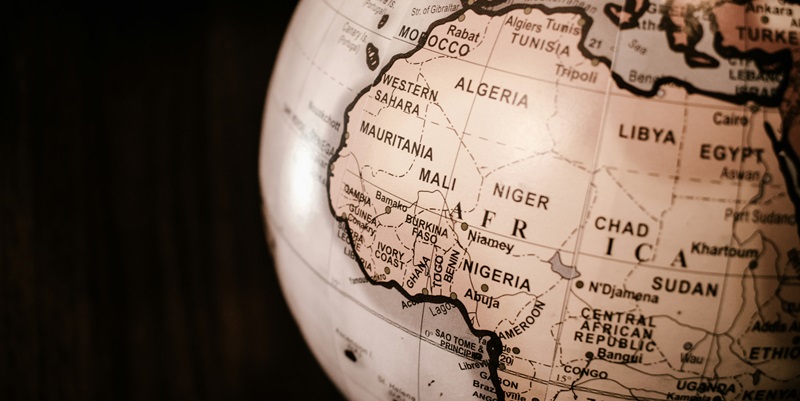
The partnership between Ivorypay, a pioneering blockchain payment firm, and Tether, creators of the USDT stablecoin, represents a significant leap forward for the African digital economy. High transaction costs and systemic inefficiencies have hampered Africa’s economic development for years. This alliance with USDT seeks to address these enduring challenges by introducing a level of stability and efficiency previously lacking across the continent’s financial landscape. The ultimate goal of this collaboration is to facilitate an environment where financial inclusion is the norm and digital empowerment is accessible to all, signaling a promising future for Africa’s burgeoning digital sphere. Through the utilization of USDT’s reliable value and the innovative solutions from Ivorypay, the duo is positioned to reshape Africa’s economic transactions, driving growth and prosperity in the digital age.
Enabling Stable and Cost-Effective Transactions
One of the primary advantages of integrating USDT into Ivorypay’s payment systems is the promise of stability in transactions. USDT, being a stablecoin, is tethered to the value of the US dollar, insulating it from the volatility typically associated with other cryptocurrencies. African markets, known for economic fluctuations, can benefit from this stability as it offers a dependable basis for both businesses and individuals engaging in digital transactions.
This stability is particularly crucial for cross-border transactions where currency conversion and transfer fees are substantial. The use of USDT has the potential to greatly reduce these costs, thus encouraging more businesses to expand their operations across the continent. Lower transaction costs will also benefit individuals, especially those sending remittances, who currently have to endure high fees and unfavorable exchange rates that eat into the funds intended for their families.
Enhancing Financial Inclusion and Trust
In Africa, financial inclusion is vital yet challenging, with many lacking traditional banking access. Ivorypay’s alliance with Tether marks a significant stride in bridging this gap through blockchain and USDT. This integration promises affordable, accessible services for the underserved, allowing them to engage in secure and efficient transactions.
USDT’s stability boosts users’ confidence, potentially increasing digital currency use in daily dealings and savings, integrating more unbanked individuals into the digital economy. Trust, as a pivotal factor in developing a mature digital finance market, may be solidified through USDT’s reliability.
This collaboration could be transformative for Africa’s digital economy, serving as a model for employing blockchain and stablecoins to tackle enduring financial barriers. As digital currency acceptance grows among businesses and consumers, Africa’s economic landscape is poised for growth and greater financial inclusion.