

The recent strategic partnership between Hertz and Stripe is set to revolutionize the car rental industry. By harnessing Stripe’s advanced payment technology, Hertz aims to significantly upgrade its payment systems for a more seamless customer experience. This collaboration not only enhances convenience for users of Hertz but also extends to its Dollar and Thrifty brands, promising a global impact. As industry leaders unite, this alliance can redefine the standards of digital transactions in car rentals, showcasing the transformative power of such partnerships in digital finance. The synergies between Hertz’s expansive rental network and Stripe’s innovative payment solutions are poised to result in a streamlined rental process that could influence consumer expectations and service delivery within the market.
Unifying the Payment Experience
The Hertz-Stripe partnership is expected to revolutionize how customers interact with car rental payments by cultivating a unified payment ecosystem. The initial move to consolidate various payment platforms into a single Stripe system is pivotal. This will not only reduce the complexity involved in processing payments across different corporate locations but also guarantee consistency. When customers approach Hertz for car rentals, they are often met with diverse payment interfaces, depending on the location and brand. Through Stripe, these interfaces will be streamlined, ensuring that customers have the same swift and secure payment process, whether renting a car in the busy streets of New York or the scenic lanes of New Zealand.
The second facet of this transformation involves the introduction of Stripe Terminal at Hertz locations. A key benefit of Stripe Terminal is its proficiency in expediting in-person transactions. The sophisticated BBPOS WisePOS E readers will help to fast-track checkout processes at approximately 3,000 Hertz venues worldwide. For the customer, this means less time at the counter and more time on the road. Customer-facing improvements such as these are vital for businesses like Hertz, which rely on repeat patronage and word-of-mouth recommendations, which are often influenced by the seamlessness of the rental experience.
Enhancing Online Convenience and Security
Hertz’s collaboration with Stripe promises enhancements in online car rental experiences, particularly during peak seasons when payment hurdles can deter customers. Stripe’s robust payment gateway aims at higher transaction approval rates, ensuring a smoother process for both holidaymakers and business travelers booking their vehicles.
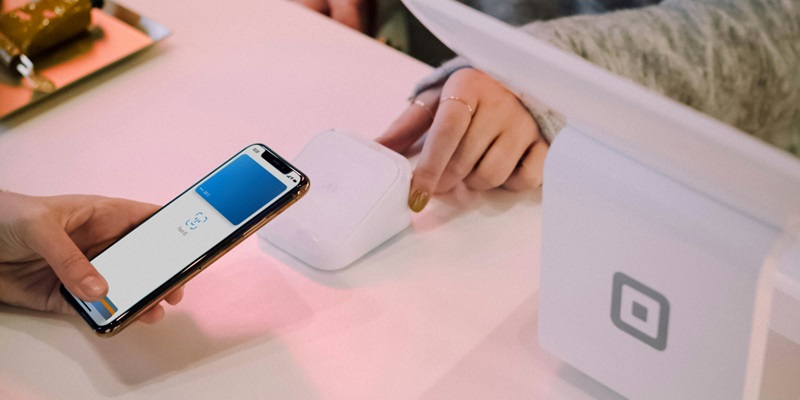
The partnership notably heralds the arrival of Apple Pay for U.S. reservations, marrying user-friendly practices with robust security measures. This proactive step addresses growing consumer demands for secure and convenient payment methods given the risks of data theft and fraud in online transactions.
By leveraging Stripe’s cutting-edge technology, Hertz not only moves forward in its sector but also redefines the standards for digital payments in the car rental industry. The focus on uninterrupted payments, top-tier security, and customer contentment sets a new benchmark that aligns with the evolving needs of today’s tech-savvy consumers.