

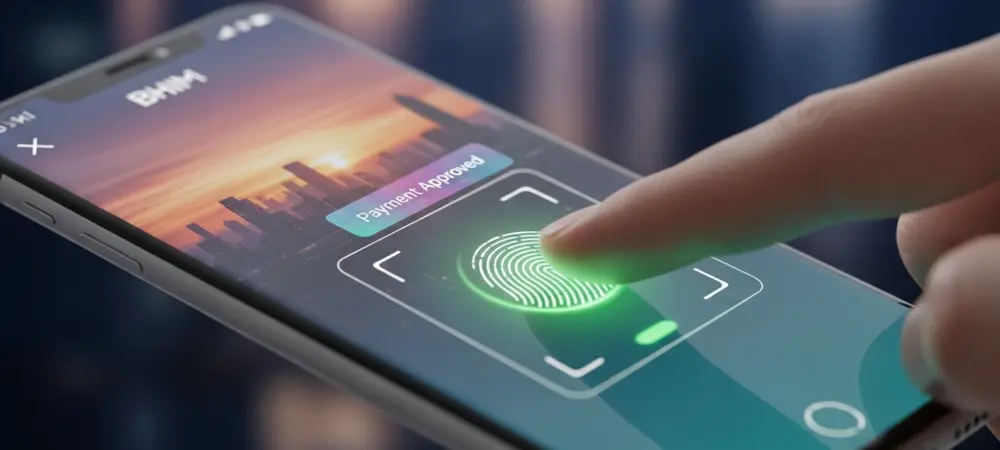
The digital payment landscape in India is undergoing a monumental shift as the necessity for physical inputs begins to fade into the background of the user experience. By integrating advanced physiological recognition, the BHIM app is effectively removing the traditional barriers that often slow down financial interactions at the checkout counter. This evolution represents more than just a technical upgrade; it is a move toward a frictionless economy where identity serves as the ultimate key to authorization.
The National Payments Corporation of India, through its subsidiary NBSL, has recognized that the modern consumer prioritizes both speed and safety. Consequently, the introduction of biometric authentication for transactions up to five thousand rupees aims to bridge the gap between high-security protocols and the need for instantaneous results. This article explores how this new functionality works, the limits involved, and the specific ways it enhances the daily lives of millions of users.
Key Questions About Biometric UPI Integration
How Does Biometric Authentication Improve the Speed of Daily Transactions?
Traditional payment methods often require the user to memorize and manually input a numeric PIN, a process that can be cumbersome when juggling groceries or standing in a crowded line. If a user forgets their code or makes a typo, the resulting transaction failure causes unnecessary stress and delays for everyone involved. Biometric technology addresses this by allowing a simple touch or a quick glance to authorize a transfer, making the entire process feel almost instantaneous.
Moreover, this feature is specifically optimized for common, low-to-medium value activities like scanning merchant codes or sending money to friends. By bypassing the manual entry screen for amounts under the designated limit, the BHIM app reduces the number of steps required to complete a purchase. This streamlined workflow is particularly beneficial in high-paced environments where every second saved contributes to a better overall consumer experience.
What Security Measures Protect Biometric Data Within the App?
Security remains a primary concern for anyone utilizing digital finance tools, yet biometrics actually offer a more robust defense against fraud than traditional passwords. Because fingerprints and facial patterns are unique to the individual and difficult to replicate, they provide a higher level of assurance that the person initiating the payment is the legitimate account holder. This transition toward personal physical traits significantly reduces the risk of shoulder surfing, where onlookers might glimpse a PIN during entry. Furthermore, the BHIM app ensures that sensitive biological data stays stored locally on the smartphone rather than being transmitted to external servers. This decentralized approach means that even if a central database were compromised, the user’s specific biometric markers would remain inaccessible. By keeping the authentication process tied directly to the hardware in the user’s hand, the system creates a multi-layered security environment that balances accessibility with ironclad protection.
Which Transactions Are Eligible for This New Feature?
To maintain a balanced approach between convenience and risk management, a specific monetary threshold has been established for biometric use. Currently, users can utilize their fingerprint or face unlock for any UPI transaction that does not exceed five thousand rupees. This cap ensures that routine expenses are handled with maximum efficiency while still requiring the traditional PIN for larger, more sensitive financial movements that might require a moment of extra reflection.
The feature is currently available across both major mobile operating systems, ensuring that a vast majority of smartphone owners can participate in this upgrade. Users simply need to navigate to their profile settings within the app to activate the toggle for biometric transactions. Once enabled, the app intelligently prompts for the appropriate authentication method based on the transaction value, providing a smart interface that adapts to the specific needs of the moment.
Summary of Biometric Benefits
The integration of biometric sensors into the BHIM ecosystem marked a significant milestone in making digital finance more inclusive and user-friendly. By focusing on the most common transaction types, the system successfully addressed the primary pain points of PIN fatigue and entry errors. This strategic rollout ensured that the technology served the public interest without compromising the rigorous security standards expected of a national payment infrastructure.
The initiative also demonstrated a clear commitment to user-centric design, allowing individuals to choose how they interact with their bank accounts. This flexibility helped build greater trust in digital systems, particularly among those who might have previously found mobile banking intimidating. The overall impact was a more reliable and accessible financial tool for the diverse population of the country.
Final Reflections on Digital Payment Evolution
Looking ahead, users should take a proactive approach by exploring the security settings within their financial applications to ensure they are utilizing the latest protection tools. As the technology matures, we may see even higher limits or new forms of identity verification that further disappear into the background of our daily routines. Staying informed about these updates allows consumers to maintain a competitive edge in how they manage their personal capital.
Reflecting on these changes suggests that the future of banking lies in the seamless intersection of biology and software. It is worth considering how these advancements can be leveraged to simplify other areas of digital life beyond simple merchant payments. Embracing these tools today sets the foundation for a more secure and efficient financial presence in an increasingly paperless world.