

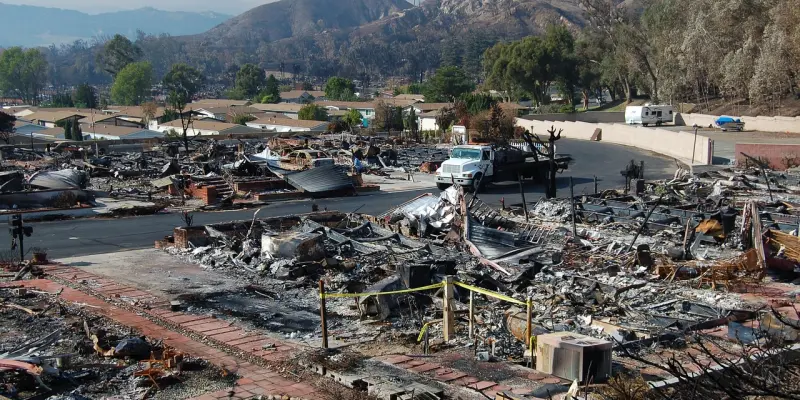
In the evolving landscape of risk management, artificial intelligence is poised to revolutionize the way insurers assess and mitigate catastrophe risks. As climate change intensifies the frequency and severity of natural disasters, traditional methods of risk assessment are becoming increasingly insufficient. Lemonade, a digital insurance company, has recently partnered with ZestyAI, a predictive analytics firm specializing in AI-driven risk assessment. This collaboration aims to enhance Lemonade’s underwriting capabilities for catastrophe perils across the U.S. by integrating ZestyAI’s advanced AI models. These models analyze factors such as climatology, geography, and specific property characteristics, offering more precise and transparent property risk assessments.
The Role of AI in Modern Risk Assessment
Artificial intelligence offers unparalleled opportunities to redefine catastrophe risk assessment by utilizing vast amounts of data and sophisticated algorithms. Traditionally, risk assessment involved manual analysis and often relied on historical data, which could be outdated or incomplete. AI-driven models like those provided by ZestyAI enable insurers to process real-time data, resulting in more accurate risk predictions. For instance, these models can evaluate satellite imagery, weather patterns, and local building codes to determine a property’s risk level. By doing so, insurers can offer more tailored policies that accurately reflect individual risk profiles, leading to fairer pricing and improved coverage for policyholders.
Furthermore, AI’s ability to continuously learn and adapt makes it an invaluable tool for monitoring evolving risks. As new data becomes available, AI systems can update risk assessments in real-time, ensuring that insurers remain responsive to emerging threats. This capability is particularly important in the context of climate change, where environmental conditions can shift rapidly. The integration of AI into risk assessment practices not only enhances the accuracy and timeliness of evaluations but also positions insurers to better manage and mitigate potential losses.
Enhancing Transparency and Trust in the Insurance Industry
The integration of AI-driven insights into catastrophe risk assessment promises to increase transparency and trust within the insurance industry. By leveraging advanced AI models, insurers can offer more precise and comprehensible evaluations of property risks, which can help build confidence among policyholders. Enhanced transparency in risk assessment processes ensures that customers understand how their premiums are determined and why certain properties are deemed high-risk. This level of clarity can bridge gaps in communication and foster stronger relationships between insurers and their clients, ultimately contributing to a more trusted and reliable insurance system.