

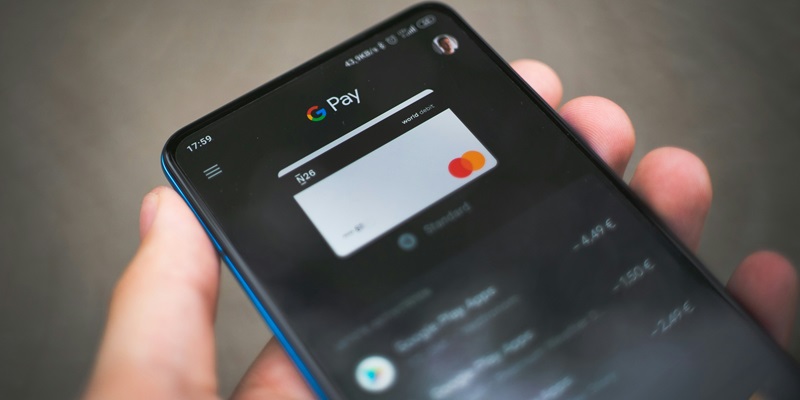
As online shopping becomes increasingly integral to our daily lives, the demand for more flexible and convenient payment options has never been higher. This holiday season, the introduction of Afterpay on Google Pay is set to revolutionize how consumers manage their purchases, providing a seamless way to spread out payments in installments. This collaboration between a leading Buy Now, Pay Later (BNPL) service and one of the most widely used digital wallets addresses consumer preferences for budget-friendly shopping experiences. According to a recent survey, one in three shoppers favor BNPL services for their ease of use and superior budget management features, making this integration particularly timely and impactful.
Drew Olson, Senior Director at Google Pay, highlighted that the increasing consumer demand for diverse payment options is based on their billion daily shopping interactions, which reinforces this need. By teaming up with Afterpay, Google Pay aims to enhance payment flexibility for users while simultaneously aiding merchant growth by adding another powerful payment tool to their arsenal. Olson emphasized that this partnership is designed to meet the evolving needs of consumers who seek more control over their finances without compromising on their shopping experience.
Tanuj Parikh, Head of Global Partnerships at Afterpay and Cash App, noted that the integration reflects an emerging trend among younger consumers who favor BNPL and digital wallet options. This partnership aims to elevate the shopping experience by aligning with the preferences of next-generation shoppers who prioritize convenience, flexibility, and digital solutions. The collaboration is not just beneficial for consumers but offers significant advantages for merchants as well. Businesses can leverage Afterpay to attract new customers, enhance customer retention, and encourage repeat purchases, ultimately increasing transaction sizes.
Merchants stand to gain substantial benefits from this integration, as Afterpay helps draw in new customers and promotes increased spending. The availability of Afterpay on Google Pay is expected to expand to more merchants in the coming months, which will further broaden its reach and impact within the market. This expansion offers a promising outlook for businesses looking to tap into the growing trend of BNPL services and digital wallets.
This strategic collaboration between Afterpay and Google Pay is poised to meet the rising demand for flexible payment solutions, reflecting a shift in consumer behavior towards more manageable and adaptive financial options. The synergy between these two platforms is not only set to enhance the consumer shopping experience but also promises to drive growth and profitability for merchants navigating the ever-evolving landscape of digital commerce.