

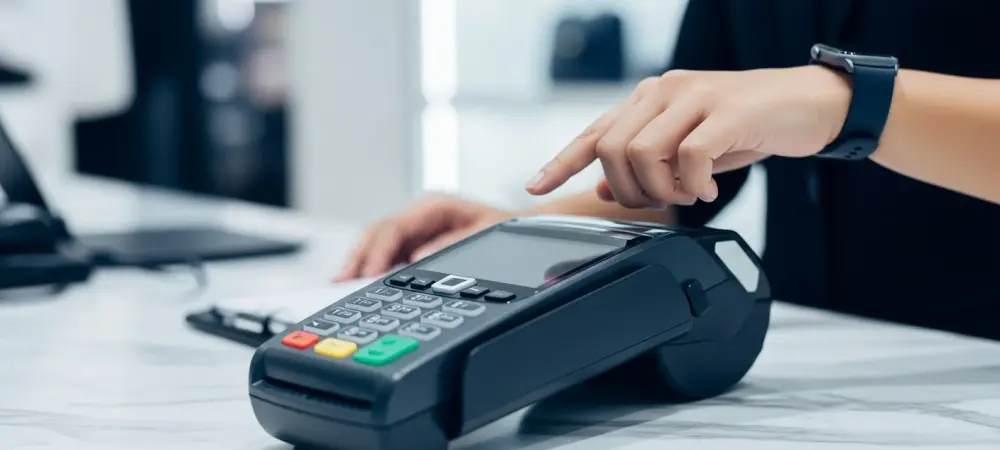
The bustling streets of Ho Chi Minh City, once defined by the rustle of paper bills and the clinking of loose change, have undergone a profound metamorphosis as the nation embraces a sophisticated digital financial architecture that bridges the gap between local commerce and global networks. Digital Finance Day 2026 served as a pivotal milestone in this journey, showcasing a country that is no longer just participating in the global economy but actively reshaping the mechanics of cross-border transactions. By prioritizing the integration of domestic banking systems with expansive international networks, Vietnam has begun to streamline the financial experiences of millions of international visitors and expatriates. This movement towards a cashless society is driven by the strategic objective of making financial interactions as fluid and effortless as the movement of people across international borders. The emphasis remains on creating a cohesive ecosystem where traditional barriers are dismantled in favor of digital speed.
Regional Connectivity: The Rise of Interoperable QR Networks
The primary engine behind this rapid transformation is the successful implementation of interoperable QR payment systems, a project led by the National Payment Corporation of Vietnam in coordination with regional financial giants. Through dedicated partnerships with leaders in South Korea, Thailand, and Singapore, the nation has established a framework where technical interoperability is the standard rather than the exception. These agreements allow for a standardized payment language that enables various banking applications to communicate across jurisdictions without the need for traditional intermediary processing. This technological bridge ensures that a tourist from Bangkok or Seoul can navigate the markets of Hanoi with the same digital ease they enjoy in their home cities. The backend infrastructure, supported by the NAPAS network, manages the complex currency conversions and settlement processes in real time, providing an immediate confirmation that satisfies both the consumer and the local merchant.
Beyond the technical specifications, the true value of these cross-border QR systems lies in the practical enhancement of daily commerce for international travelers who seek to avoid the inconveniences of physical cash. By utilizing familiar home-country applications to scan local VietQR codes, visitors bypass the traditional hurdles of finding reputable currency exchange booths or dealing with the high fees associated with international ATM withdrawals. This shift represents a fundamental upgrade to the tourism experience, where a simple mobile interface becomes the universal key to the local economy. The psychological comfort of using a trusted domestic app in a foreign environment cannot be overstated, as it fosters a sense of financial security and continuity. As more regional neighbors join this network, the ripple effect creates a more unified Southeast Asian economic zone where digital wallets function as a common currency, effectively reducing the friction that previously hindered small-scale international spending.
Consumer Security: Advancing Digital Identity and Portability
International consumers, particularly those visiting from the United States and South Korea, have become increasingly vocal about their preference for digital alternatives to cash to mitigate the risks of theft and the complications of manual exchange. The ability to use established platforms like Naver Pay within the Vietnamese market demonstrates a growing trend where a user’s digital identity and wallet become portable assets that function seamlessly across borders. This demand for integrated financial tools is pushing the industry toward a state where a single, secure application provides continuity across different international markets without the friction of manual conversions. By aligning local infrastructure with these global consumer expectations, the financial sector is ensuring that the digital transition is not just about convenience but also about providing a superior level of security and transparency for every single transaction.
This emphasis on digital portability is reinforced by the adoption of advanced security protocols that protect sensitive user data while maintaining high transaction speeds. As digital wallets become more sophisticated, they integrate biometric authentication and encrypted tokenization, ensuring that even in a foreign country, a user’s financial integrity remains uncompromised. The industry is moving away from fragmented payment methods toward a unified digital identity that follows the traveler wherever they go. This approach naturally leads to a more robust economic environment where the focus is on building long-term trust between international consumers and local service providers. As these secure technologies become more widespread, the reliance on traditional physical currency continues to diminish, replaced by a more reliable and traceable digital ledger that benefits both the individual traveler and the broader national financial system.
Economic Empowerment: Integrating Micro-Merchants Into Global Fintech
Specialized fintech solutions such as VietQRGlobal have played a crucial role in democratizing access to high-end financial tools for small-scale businesses that were previously excluded from the global digital economy. By integrating advanced payment technology into accessible platforms like KiotViet, even modest street vendors and boutique operators can now accept a wide array of international digital wallets without the need for expensive hardware. This inclusivity ensures that the economic benefits of digital growth are distributed across the entire spectrum of the Vietnamese economy, rather than being concentrated solely in high-end hotels or shopping malls. Local merchants can now cater to a global clientele with minimal technical overhead, making diverse payment options a standard requirement for success in a competitive market. The integration of these tools has transformed the competitive landscape, allowing small players to leverage the same secure infrastructure as major multinational corporations. The transition toward a digital-first economy was significantly bolstered by the synergy between government entities, telecommunications leaders like VNPT Money, and global financial giants like Visa. These strategic collaborations focused on educating the population and incentivizing digital tool usage through targeted promotions and the creation of immersive technological environments. As the tech-savvy younger demographic demanded more integrated solutions, the nation positioned itself as a forward-looking hub where unified financial identities became the norm. The implementation of these strategies provided a robust framework that addressed the requirements of both local citizens and international visitors. Public-private partnerships successfully neutralized the traditional barriers to entry, ensuring that financial innovation remained grounded in practical utility. By prioritizing a secure and unified digital architecture, the industry established a new standard for global connectivity that balanced innovation with accessibility.