

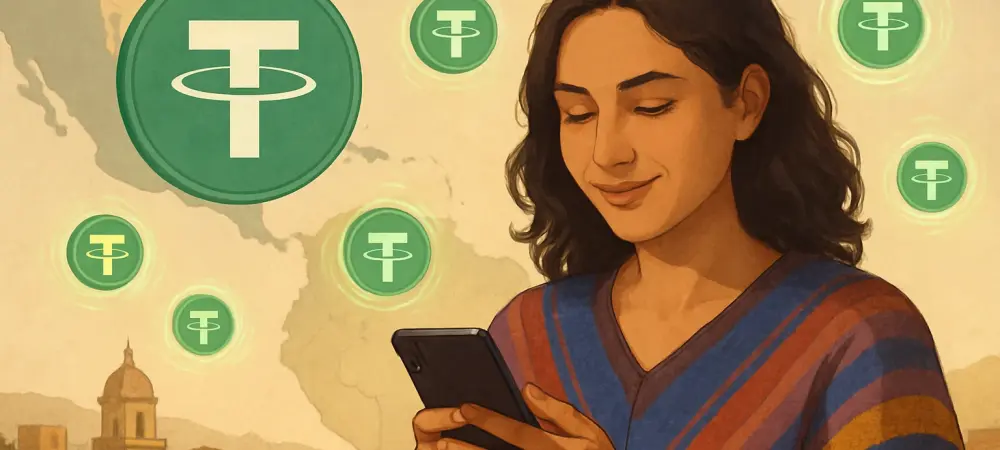
In a region where financial instability often hampers access to reliable currency, Latin America has emerged as a fertile ground for digital asset innovation, and Tether, the issuer of the world’s leading stablecoin USDT, is seizing the opportunity with bold strategic moves. This isn’t just about introducing a cryptocurrency; it’s about reshaping how money moves across borders, supports businesses, and integrates with everyday finance in a part of the world hungry for stability. Tether’s recent efforts signal a deliberate push to make USDT a cornerstone of financial systems in emerging markets, bridging the gap between traditional banking and blockchain technology. Through targeted partnerships and a keen focus on regulatory alignment, the company is carving out a significant presence, aiming to empower institutions and individuals alike with secure, scalable solutions.
Strategic Moves in the Region
Partnering with Parfin for Institutional Growth
Tether’s investment in Parfin, a digital asset custody and trading platform based in Latin America, stands as a pivotal step toward accelerating USDT adoption among financial institutions. Parfin’s reputation for providing regulated infrastructure makes it an ideal ally in a market where trust and compliance are non-negotiable. This partnership focuses on leveraging USDT as a settlement asset for high-value transactions, such as cross-border payments and real-world asset tokenization. By aligning with Parfin, Tether ensures that banks and large-scale players can adopt blockchain solutions without sacrificing security or legal standing. The emphasis here is on creating seamless integration, allowing institutions to tap into the efficiency of digital assets while navigating the complex regulatory landscape of the region. It’s a calculated move that positions USDT as more than just a currency—it’s a tool for modernizing finance.
Moreover, this collaboration isn’t just about technology; it’s about building credibility. Tether’s leadership, including CEO Paolo Ardoino, has stressed the importance of merging traditional finance with blockchain to unlock financial freedom. In Latin America, where economic volatility often limits access to stable currencies, USDT offers a compelling alternative. The partnership with Parfin targets specific use cases like trade finance and credit markets, which are critical to the region’s economic fabric. By addressing these high-stakes areas, Tether is demonstrating the practical value of stablecoins, paving the way for broader acceptance. The synergy between Parfin’s infrastructure and Tether’s vision creates a powerful framework for institutional adoption, setting a precedent for how digital assets can transform financial ecosystems in emerging markets.
Addressing Regional Needs with Blockchain Solutions
Beyond partnerships, Tether is tailoring its approach to meet Latin America’s unique challenges, such as currency devaluation and limited banking access. USDT provides a stable alternative to volatile local currencies, making it an attractive option for businesses and individuals seeking reliability in transactions. Tether’s focus on blockchain technology enables faster, cheaper cross-border payments—a lifeline for a region heavily reliant on remittances. This isn’t just about replacing cash; it’s about creating systems that empower users with tools previously out of reach. By positioning USDT as a practical solution, Tether taps into the growing demand for digital alternatives that can withstand economic turbulence.
Additionally, the emphasis on regulatory compliance sets Tether apart in a region where skepticism toward cryptocurrencies often stems from legal uncertainties. Working with partners like Parfin ensures that solutions meet local standards, fostering trust among cautious institutional players. This careful balance of innovation and adherence to rules underscores Tether’s strategy to make USDT a trusted medium for both everyday transactions and complex financial operations. The potential for growth is immense, as more stakeholders recognize the stability and efficiency that blockchain-backed assets bring. Tether’s efforts reflect a deep understanding of Latin America’s economic landscape, positioning the stablecoin as a catalyst for lasting change.
Global Vision with Local Impact
Diversifying Beyond Cryptocurrency Markets
Tether’s ambitions extend far beyond Latin America, showcasing a broader strategy of diversification that indirectly strengthens its regional efforts. A notable move includes a potential 1 billion Euro investment in Neura, a German humanoid robotics firm, marking a striking leap into a non-crypto sector. This cross-industry venture highlights Tether’s intent to integrate digital assets into diverse technological ecosystems, potentially creating new use cases for USDT in industrial applications. Such bold diversification mitigates risks tied to the volatile crypto market while reinforcing Tether’s image as a forward-thinking entity. In the context of Latin America, these global moves signal a commitment to innovation that could inspire similar cross-sector initiatives in the region.
Furthermore, Tether’s investment in Ledn, a Bitcoin-backed consumer lending platform, underscores its focus on expanding the digital asset ecosystem. This aligns with the needs of Latin American markets, where access to credit remains a challenge for many. By supporting platforms that offer alternative financial services, Tether indirectly bolsters the infrastructure for USDT adoption. These global investments create a ripple effect, enhancing the stablecoin’s relevance and utility worldwide. For Latin America, this means access to a more robust and versatile financial toolkit, as Tether’s broader initiatives pave the way for innovative solutions tailored to local demands. It’s a strategic dance between global outreach and regional focus, ensuring sustained relevance.
Building a Sustainable Future for Stablecoins
Tether’s overarching goal is to solidify USDT as a leader in the stablecoin space, and Latin America serves as a critical testing ground for this vision. The region’s appetite for blockchain innovation offers a unique opportunity to demonstrate the transformative power of digital assets. By prioritizing secure infrastructure and regulatory compliance, Tether addresses the skepticism that often surrounds cryptocurrencies, making USDT a viable option for mainstream adoption. This isn’t merely expansion—it’s about crafting a model for how stablecoins can integrate into global finance while respecting local nuances. The focus on practical applications ensures that USDT remains relevant in diverse economic environments.
Equally important is Tether’s long-term commitment to bridging traditional and digital finance, a theme evident in every move from Latin America to Europe. The company’s leadership views blockchain as a tool for financial inclusion, especially in markets where conventional systems fall short. In Latin America, this translates to empowering businesses and individuals with stable, accessible currency options. As Tether continues to balance innovation with caution, its efforts in the region could serve as a blueprint for other emerging markets. Looking back, the groundwork laid through partnerships and strategic investments revealed a clear path forward, one where stablecoins became indispensable to modern finance, reshaping economic landscapes with every transaction.