

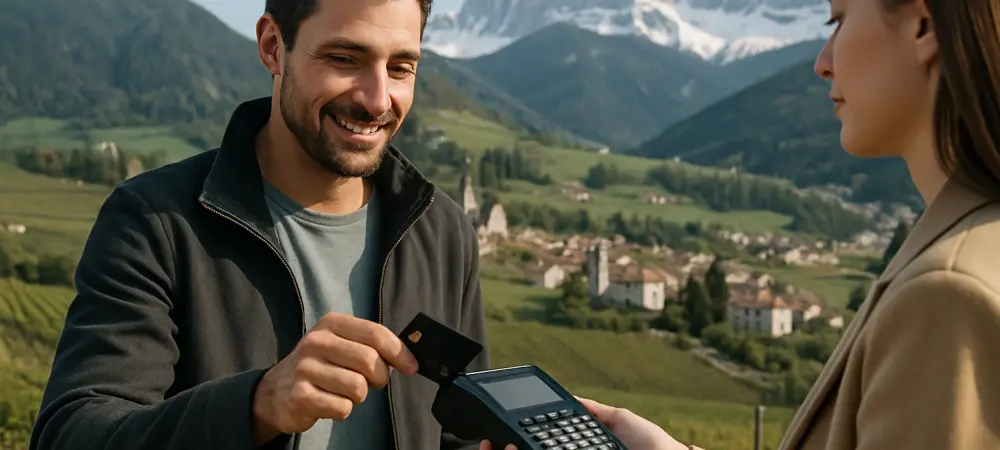
I’m thrilled to sit down with Nicholas Braiden, a trailblazer in the fintech world and an early adopter of blockchain technology. With his deep expertise in financial technology and a passion for transforming digital payment and lending systems, Nicholas has been a guiding force for startups looking to innovate in this dynamic industry. Today, we’re diving into a groundbreaking four-way partnership in South Tyrol that promises to revolutionize the payment landscape in this vibrant region. Our conversation will explore the motivations behind this collaboration, the unique advantages of South Tyrol as a testing ground, the impact on local businesses and customers, and the specific contributions of each partner in delivering a seamless, secure payment experience.
How did this unique partnership come together, and what are the driving forces behind uniting such diverse expertise in South Tyrol?
This partnership was born out of a shared vision to enhance payment systems in a region ripe for innovation. Each partner brings a distinct strength to the table—whether it’s expertise in data security, banking services, software solutions, or global payment processing. We saw an opportunity to combine these capabilities to create something truly transformative. South Tyrol, with its bustling tourism and retail sectors, presented the perfect environment to test and roll out an all-in-one payment experience. Our collective goal is to streamline transactions, boost security, and ultimately elevate the customer experience in a way that supports local businesses and sets a precedent for future expansions.
What makes South Tyrol such an ideal location for launching this advanced payment initiative?
South Tyrol stands out for a few key reasons. First, it’s a premier tourist destination, which means there’s a high volume of transactions across hospitality, retail, and gastronomy—industries that thrive on efficient and reliable payment systems. Second, the region has a progressive mindset and a strong economic foundation, making it open to adopting new technologies. The diversity of businesses here also allows us to test our solutions in real-world scenarios, ensuring they’re robust and adaptable. It’s essentially a microcosm of the challenges and opportunities we see in larger markets, making it a fantastic proving ground.
Can you paint a picture of what this “all-in-one experience” looks like for both businesses and customers in the region?
Absolutely. For businesses, this means having access to integrated payment devices that can handle a variety of transaction types seamlessly—whether it’s in-store, unattended, or even future e-commerce solutions. For customers, it translates to faster, more secure checkouts with multiple payment options at their fingertips. Imagine walking into a café in South Tyrol, paying with your preferred method—be it card, mobile, or wearable—and knowing the transaction is protected by top-tier security. It’s about removing friction from the payment process and enhancing trust, which benefits everyone involved.
How does data security play a role in this initiative, and why is it so critical in a tourist-heavy area like South Tyrol?
Data security is the backbone of any modern payment system, especially in a place like South Tyrol where you have a constant influx of visitors and transactions. Tourists and locals alike need to feel confident that their financial information is safe. We’re implementing cutting-edge encryption and validated point-to-point encryption solutions to protect every transaction. In a tourist hub, a single security breach can damage trust not just for a business, but for the region as a whole. By prioritizing robust security measures, we’re ensuring that businesses can operate with peace of mind and customers can spend without worry.
What specific contributions are being made to support local businesses, particularly in terms of meeting their unique needs?
Supporting local businesses is at the heart of this project. We’re working closely with regional banking expertise to tailor solutions that address the specific operational challenges faced by corporate clients in South Tyrol. This includes offering innovative payment systems that streamline processes for gastronomic and retail businesses, ultimately saving time and reducing costs. Additionally, by providing state-of-the-art technology, we’re helping these businesses stay competitive in a market driven by tourist expectations for quick, modern payment options. The ripple effect is a stronger local economy that can sustain growth.
How does software innovation factor into delivering these new payment solutions, and what unique elements are being introduced?
Software innovation is crucial for ensuring that the payment solutions we’re rolling out are user-friendly and adaptable. We’re leveraging advanced software to integrate various payment devices and platforms, creating a cohesive system that businesses can easily manage. This includes tools for real-time transaction monitoring and customizable interfaces that cater to specific industry needs. The unique element here is the focus on scalability—our software is designed to evolve with the market, accommodating future needs like e-commerce integration or unattended payment kiosks without requiring a complete overhaul.
Can you elaborate on how global expertise and local knowledge are blending to shape the payment landscape in South Tyrol?
It’s a powerful synergy. On one hand, we have international experience in payment processing and security that ensures our solutions meet global standards of efficiency and reliability. On the other, we’re deeply rooted in local Italian expertise, which helps us understand the cultural and economic nuances of South Tyrol. This blend allows us to tailor our offerings to fit the Italian market while maintaining a world-class standard. For instance, payment preferences and business practices here might differ from other regions, and our dual perspective ensures we’re addressing those differences effectively.
What challenges do you anticipate in rolling out these new systems, and how are you preparing to tackle them?
Implementing new technology always comes with hurdles, and we’re anticipating a few. Technical integration can be tricky—ensuring that new devices and software work seamlessly with existing systems takes careful planning. There’s also the challenge of adoption; some businesses might be hesitant to switch to unfamiliar technology. To address this, we’re focusing on comprehensive training and support to ease the transition. We’re also conducting pilot programs to identify and resolve logistical issues early on. Our approach is to be proactive, listening to feedback from businesses and customers to refine our solutions as we go.
Looking ahead, what is your forecast for the future of payment technology in regions like South Tyrol?
I’m incredibly optimistic about the future. Regions like South Tyrol, with their unique blend of local charm and global connectivity, are poised to become leaders in payment innovation. I foresee a rapid shift toward fully integrated, contactless, and mobile-first payment systems that prioritize both convenience and security. We’re likely to see more unattended payment solutions, like self-checkout kiosks, and a deeper integration of e-commerce capabilities as businesses adapt to hybrid models. The key will be maintaining a balance between cutting-edge tech and user accessibility, ensuring that everyone—from small vendors to large retailers—can thrive in this digital payment era.