

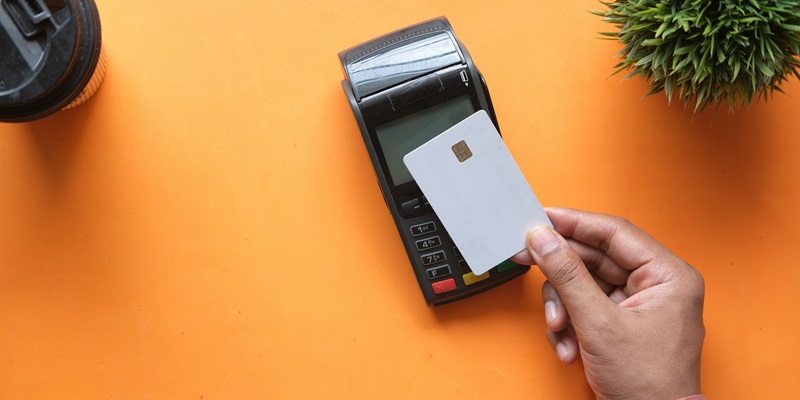
Softpay is revolutionizing the payment industry with its tap-to-phone technology, which allows any Android device to double as a contactless payment terminal. This innovation is particularly beneficial for a wide variety of merchants, from traditional stores to itinerant vendors and delivery services, by facilitating seamless transactions. With the inclusion of BankAxept card acceptance, businesses can now cater to customers seeking swift and simple payment solutions. The technology’s effectiveness has been proven through successful trials with leading partners including Plantasjen and Kristiansand Dyrepark, showcasing Softpay’s potential to significantly impact the market. This solution not only enhances customer convenience but also provides merchants with a competitive advantage in the rapidly evolving retail landscape.
Enhancing Payment Versatility and Access
Softpay’s solution extends beyond BankAxept, offering a versatile payment system compatible with various acquirers and card schemes. It integrates with popular digital wallets like Apple Pay, Google Pay, and Samsung Pay, accommodating a customer base increasingly inclined toward cashless payments. This adaptability allows merchants to provide a comprehensive range of payment options, simplifying transactions and enabling them to concentrate on their key business areas. Reflecting a nuanced understanding of the varied preferences in consumer payments, Softpay’s expansive support of multiple payment methods positions businesses well in the competitive retail environment. With these capabilities, merchants can efficiently cater to different customer needs, promoting ease of payment and enhancing the shopping experience.
Strategic Impact on Norwegian Businesses
Advancing Merchant Transactions Nationwide
Including BankAxept in Softpay’s offerings is a game-changer for businesses in Norway. This integration transforms transactional operations, making them more straightforward and showcases the necessity for nimble, enduring payment infrastructures. BankAxept is central to Norway’s financial system, so its incorporation into Softpay’s suite simplifies the consumer experience by broadening the spectrum of payment methods available. This move is indicative of Softpay’s role as a forward-thinking entity in the fintech space, where its drive for ingenuity and focus on user-friendliness signal an encouraging trajectory for the progression of payment solutions and services for merchants. As Softpay continues to embrace these innovations, it reinforces its influence in the evolving landscape of financial technology.
Fostering Enhanced Customer Experiences
In today’s market, delivering a superior customer experience is key, and Softpay’s decision to incorporate BankAxept reflects a commitment to seamless and secure payments. CEO Julian Sawyer is adamant about the company’s mission to streamline payments for end users and providers alike, underscoring a drive towards ongoing innovation in the fintech world. Merging with BankAxept, revered for its reliability, paves the way for broader acceptance and ease of transactions. This integration translates to consumers spending less time on payment processes, thereby enhancing their interactions with businesses and allowing them to focus on what’s important to them. Softpay’s strategic choice highlights a deep understanding of customer needs and the importance of trust and efficiency in financial transactions. This approach is bound to set a new standard in user-friendly commerce, underlining the importance of adaptability and customer-focused innovation in the evolving digital economy.