

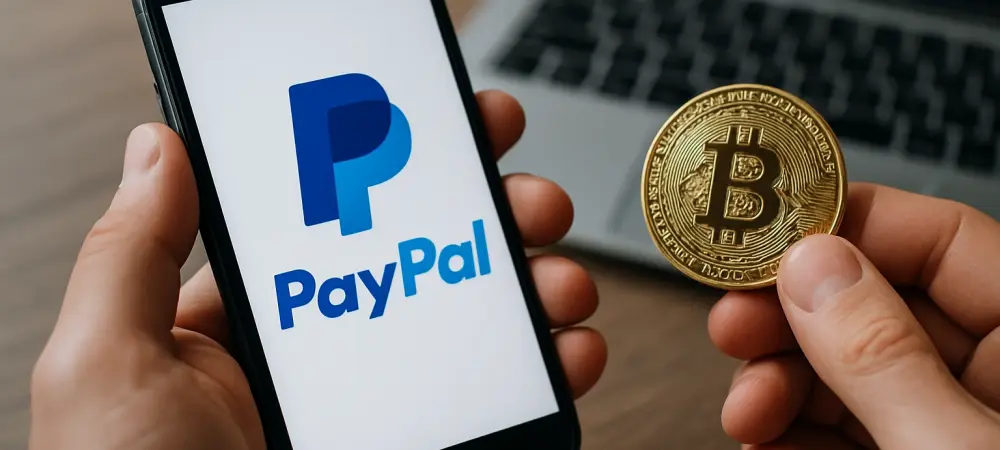
Imagine a world where sending cryptocurrency is as easy as sharing a link through a text message, seamlessly blending digital assets with everyday transactions. PayPal has turned this vision into reality with its innovative feature, PayPal Links, launched to integrate cryptocurrencies like Bitcoin, Ethereum, and its own stablecoin, PYUSD, into peer-to-peer payments. This development has sparked widespread discussion among fintech experts, blockchain analysts, and business leaders about its potential to reshape the financial landscape. This roundup gathers diverse perspectives on how PayPal is revolutionizing crypto payments, exploring opinions on accessibility, market impact, and future implications, while comparing contrasting views on risks and opportunities.
Diverse Perspectives on PayPal’s Crypto Payment Innovation
Accessibility and User Experience: A Game-Changer?
Many industry observers have praised PayPal’s approach to simplifying cryptocurrency transactions through shareable, expiring links. Fintech analysts highlight that the user-friendly interface within the PayPal app lowers the barrier for individuals unfamiliar with blockchain technology, making digital asset transfers as intuitive as sending money via traditional methods. The consensus is that this could drive mass adoption, especially among younger demographics comfortable with social media sharing.
However, some voices express caution about the learning curve for older users or those skeptical of crypto’s volatility. A segment of user experience specialists argues that while the feature is innovative, PayPal must invest in robust educational resources to ensure all demographics can navigate the system confidently. This split in opinion underscores the challenge of balancing innovation with inclusivity in the rapidly evolving digital payment space.
Market Impact: Bridging DeFi and Traditional Finance
Blockchain thought leaders widely recognize PayPal’s integration of decentralized finance with conventional payment systems as a pivotal move. Several experts note that enabling millions of users to engage with digital assets via a trusted platform could legitimize cryptocurrencies in mainstream commerce. The ability for businesses to accept over 100 cryptocurrencies and convert them to fiat or stablecoins is often cited as a flexible solution for merchants hesitant about price fluctuations.
On the flip side, some financial consultants warn of potential regulatory hurdles that could dampen this momentum. They point out that as governments worldwide tighten oversight on digital currencies, PayPal’s bold push might face scrutiny over compliance and consumer protection. This divergence in viewpoints reveals both the transformative potential and the complex challenges of merging two financial worlds under one umbrella.
PYUSD: A Stablecoin Contender or Overhyped Asset?
PayPal’s introduction of its dollar-pegged stablecoin, PYUSD, has generated significant buzz among crypto market analysts. Many believe it has the potential to compete with giants like USDT and USDC, given PayPal’s established reputation and vast user base. Enthusiasts argue that its rollout in key markets such as the US, UK, and Italy signals a strategic push for global penetration, potentially redefining retail and institutional transactions.
Conversely, a portion of skeptics questions whether PYUSD can truly stand out in an already crowded stablecoin arena. They suggest that without unique features or incentives, it risks being overshadowed by more entrenched competitors. This debate highlights the high stakes for PayPal as it seeks to carve out a niche in a competitive segment of the crypto ecosystem.
Trust and Tax Policies: A User-Centric Approach?
A notable point of agreement among commentators is PayPal’s focus on building trust through user-friendly policies, particularly the exemption of personal transfers on PayPal and Venmo from complex tax reporting like the 1099-K form for friends and family payments. Consumer advocates commend this leniency, suggesting it could accelerate crypto adoption by reducing friction for everyday users wary of bureaucratic hurdles.
Yet, some fiscal policy experts raise concerns about the long-term sustainability of such exemptions. They speculate that regulatory bodies might eventually push back, demanding stricter reporting to prevent misuse. This contrast in opinions reflects a broader tension between fostering innovation and ensuring accountability in the digital finance sector.
Key Opinions on Benefits and Practical Applications
Financial technology bloggers and business advisors have outlined several standout benefits of PayPal Links, emphasizing its role in enhancing accessibility for personal transfers. Many suggest that users can leverage these shareable links for quick, secure transactions across messaging platforms, streamlining peer-to-peer exchanges. For businesses, the option to accept crypto payments with fiat conversion is seen as a practical tool to tap into a growing market of digital asset holders.
Differing tips emerge on how to maximize this feature’s potential. Some industry watchers recommend that small businesses experiment with accepting cryptocurrencies to attract tech-savvy customers, while others advise caution, urging firms to monitor market volatility closely. This variety of actionable insights caters to both risk-takers and conservative adopters navigating PayPal’s latest offering.
Another recurring theme is the strategic importance of PYUSD in offering a low-risk entry into crypto transactions. Commentators encourage users to test small-scale transfers with this stablecoin to gain familiarity with digital assets without exposure to wild price swings. Keeping an eye on PayPal’s geographic expansions over the next few years, such as from 2025 onward, is also advised as a way to anticipate new market opportunities.
Final Reflections and Next Steps
Looking back, the discussions surrounding PayPal’s foray into crypto payments through shareable links revealed a landscape rich with optimism and tempered caution. Experts and analysts alike acknowledged the groundbreaking nature of blending blockchain technology with a trusted payment infrastructure, while also highlighting the regulatory and adoption challenges that lie ahead. The varied opinions painted a nuanced picture of an industry at a turning point.
Moving forward, stakeholders should consider actively engaging with PayPal’s evolving tools by starting with small, low-risk transactions to build confidence in digital assets. Businesses might explore pilot programs for accepting cryptocurrencies, using conversion options to mitigate financial uncertainty. Additionally, staying informed about global regulatory shifts will be crucial to navigating this space effectively, ensuring that innovation aligns with compliance for a sustainable financial future.