

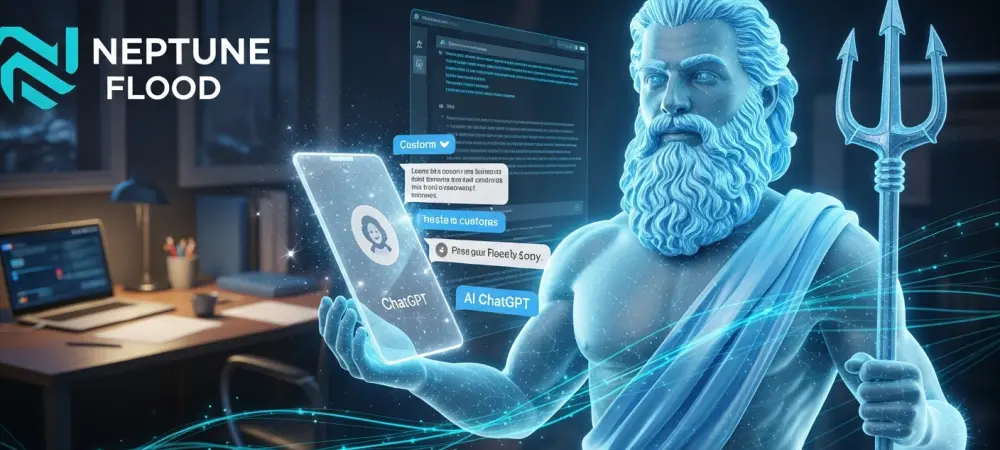
The integration of sophisticated generative artificial intelligence with traditional risk management frameworks is fundamentally transforming how modern property owners approach the complexities of flood insurance. Neptune Flood has positioned itself as a pioneer by launching a specialized quoting tool directly within the ChatGPT interface. This move focuses on modernizing a sector often criticized for its slow adaptation to digital trends. By utilizing a platform where millions already seek information, the company provides a streamlined path toward obtaining financial security against rising water levels. The primary objective of this initiative involves removing technical barriers that prevent individuals from seeking coverage. As flood risks expand into regions previously considered safe, the need for immediate, accessible data has never been higher. Readers can expect to learn how this integration balances conversational ease with rigorous underwriting standards.
Key Questions Regarding AI in Insurance
How Does the Conversational Interface Improve Policy Acquisition?
Traditional insurance procurement frequently involves navigating dense websites and completing exhaustive questionnaires that can alienate potential policyholders. This friction often results in property owners delaying or entirely avoiding the purchase of essential protection. A conversational model addresses these pain points by allowing individuals to describe their needs and receive immediate feedback without the typical administrative burden.
The application provides preliminary quotes in real time, enabling a seamless transition from a simple inquiry to a formal application on the Neptune website. Moreover, this approach helps demystify complex terms, making it easier for users to understand exactly what their coverage entails. By lowering the entry barrier, the system encourages more proactive risk management across all fifty states and the District of Columbia.
What Technical Infrastructure Supports This Real-Time Integration?
Behind the user-friendly interface lies a robust engine known as Triton, which serves as the backbone for Neptune’s digital operations. This proprietary underwriting system was architected as a modular, cloud-native platform specifically to handle high-volume data processing and external API connections. Such a foundation ensures that the intelligence provided to the user is based on accurate, up-to-the-minute risk modeling.
The system utilizes the Model Context Protocol to orchestrate data retrieval and rating sequences securely. This allows the ChatGPT tool to pull necessary information without compromising the integrity of the core underwriting workflow. Consequently, the technology maintains a high level of security while delivering the speed and convenience that modern consumers demand from financial service providers.
Summary of Technological Advancements
The synthesis of generative AI and automated underwriting represents a significant milestone for the InsurTech industry. By leveraging existing digital ecosystems, Neptune Flood has managed to scale its reach to over 280,000 policies while maintaining a high standard of precision. This strategy highlights a shift toward transparency and accessibility in financial services. Key insights reveal that the success of such tools depends on the strength of the underlying data architecture. While the interface is conversational, the results are driven by a sophisticated risk engine that has been refined over years of operation. This combination ensures that the modernization of insurance does not come at the cost of actuarial accuracy.
Final Thoughts on Industry Evolution
The decision to embed insurance services within widely used AI platforms marked a definitive change in how the industry viewed customer engagement. This transition encouraged property owners to re-evaluate their exposure to environmental hazards through a more intuitive lens. It demonstrated that financial protection could be integrated into daily digital routines rather than remaining a separate, daunting task.
Looking ahead, the success of this model provided a roadmap for other sectors within the financial world to follow. Stakeholders observed that removing friction from the quoting process significantly influenced coverage rates in vulnerable areas. The focus shifted toward creating more inclusive systems that prioritized user understanding and rapid response times in an increasingly unpredictable climate.