

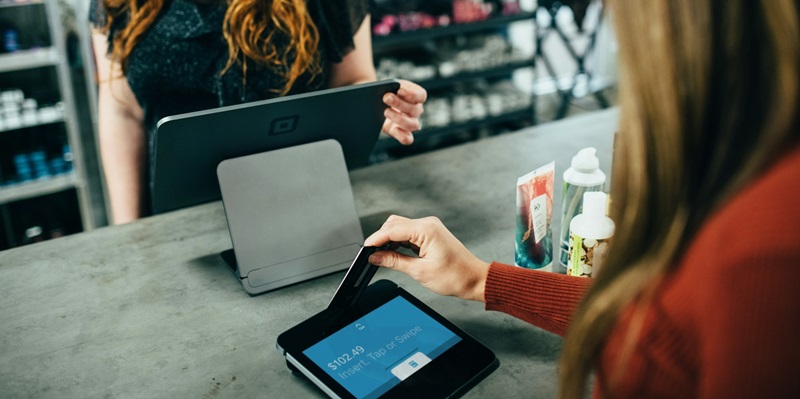
Mastercard’s Click to Pay is revolutionizing e-commerce by offering a seamless checkout process. It eliminates traditional payment hurdles by streamlining transactions for a user-friendly experience. Click to Pay also incorporates advanced security protocols, reassuring both consumers and retailers about the safety of their transactions. By adapting to the ever-changing digital landscape, this platform is setting a high benchmark in online shopping convenience and security. Its intuitive design simplifies purchases, making it an attractive option for quick and secure payments. As online shopping continues to grow, Click to Pay is well-positioned to be a pivotal player in the future of digital commerce, offering an ideal balance of ease and protection for online transactions. This innovation is shaping up to be a crucial development, poised to influence the way consumers and merchants engage in the digital marketplace.
Frictionless Checkout Experience
Simplifying Payment Processes
Mastercard’s Click to Pay revolutionizes online transactions by removing the tedium of entering card details at checkout. Streamlining the purchasing journey, it provides a swift click-through process particularly beneficial for return shoppers. This innovation is an evolution of Secure Remote Commerce and aims to significantly reduce checkout duration. Its efficiency not only enhances customer experiences—leading to potential increases in satisfaction levels—but also favors businesses by decreasing instances of shopping cart abandonment. The simplicity of a few-click checkout eliminates the frustration associated with tedious data entry, offering convenience that propels the e-commerce industry forward. With more and more consumers seeking quicker online services, Click to Pay stands as a valuable tool in meeting modern demand for simplicity and speed in online shopping.
Impact on Shopping Experience and Business Operations
The accelerated checkout feature provided by Click to Pay isn’t just about saving seconds at purchase. Customers enjoy a smoother shopping journey, free from annoying obstacles, which can deepen their allegiance to a brand. From a business standpoint, the streamlined checkout process not only promotes operational efficiency but also encourages higher transaction completion rates. Given its widespread availability across online merchants, Click to Pay creates a uniform and frictionless retail environment. This enables businesses to focus on refining the overall customer experience, with the reassurance that the payment stage is both reliable and user-friendly. The integration of Click to Pay thus represents a strategic advantage, easing the path from browsing to buying and potentially boosting customer retention and satisfaction in the long run.
Enhanced Security and Authentication
Advancements in Tokenization and Biometrics
In an era increasingly threatened by cybercrime, Mastercard’s security focus is crucial. Its Click to Pay system employs sophisticated tokenization technology, transforming sensitive card details into secure digital tokens. This innovation protects users’ data during online transactions, thereby cutting the risk of digital theft. Alongside tokenization, Mastercard integrates advanced biometric security measures, utilizing unique identifiers like facial recognition and fingerprints to add a personalized layer of security. This twin-strategy of employing both tokenization and biometrics creates a formidable barrier against cyber-attacks while maintaining user convenience. It demonstrates Mastercard’s unwavering pledge to preserve the privacy and integrity of its customers’ information in the digital payment landscape. Through such security-centric initiatives, Mastercard empowers consumers with a safer, more reliable online shopping experience.
Bridging Software and Hardware for Better Security
Mastercard is steering away from traditional hardware reliance, pivoting towards software and cloud solutions to better serve a rising smartphone user base. This strategic move accommodates the trend for flexibility and on-the-go access while maintaining a strong stance on security. Mastercard has set a precedent with its tokenization technology, securing billions of transactions worldwide, and this robust security is integrated within Click to Pay. By embedding advanced protection into their payment systems, Mastercard is bolsteering consumer confidence in digital transactions. This approach not only aligns with technological progress but also promotes the adoption of digital payments by providing users with a seamless, safe way to shop and manage their finances through their smart devices. In doing so, Mastercard is poised to become a leading facilitator of the next wave of payment solutions in our increasingly digital economy.
Global Implementation and Online Transaction Standards
Unifying Digital Commerce
Mastercard’s global launch of Click to Pay aims to unify the online shopping experience. This innovative payment solution seeks to establish a universal standard for online transactions, offering a seamless checkout process. With this system, Mastercard endeavors to enhance convenience for consumers who often grapple with inconsistent payment methods across various websites. Simultaneously, it assists merchants in adopting a uniform payment protocol, ensuring ease of integration and clarity for consumers. This initiative is thoughtfully designed to benefit the entire online retail ecosystem, promoting efficiency and security. By introducing Click to Pay as a cohesive payment method, Mastercard is significantly improving how digital transactions are conducted worldwide, both for the ease of consumers navigating multiple virtual storefronts and for merchants eager to provide a frictionless shopping experience.
Forging a Secure Digital Payment Landscape
Mastercard’s Click to Pay initiative is reshaping the payment landscape by offering a seamless blend of speed, ease, and security. This strategy caters to the current market’s need for quick and secure transaction methods while paving the way for the industry’s future. Click to Pay transcends being a mere update to the checkout experience. Instead, it represents a deep-seated change in the way we engage in financial exchanges, setting the stage for an era where smooth digital payments are commonplace. As this technology rolls out globally, it not only reflects a change in how transactions are conducted but also signals a shift toward an interconnected and frictionless digital economy, impacting consumers, merchants, and the entire payment ecosystem. It’s a move towards realizing a world where digital transaction convenience is an everyday reality, affecting everyone involved in the payment process.