

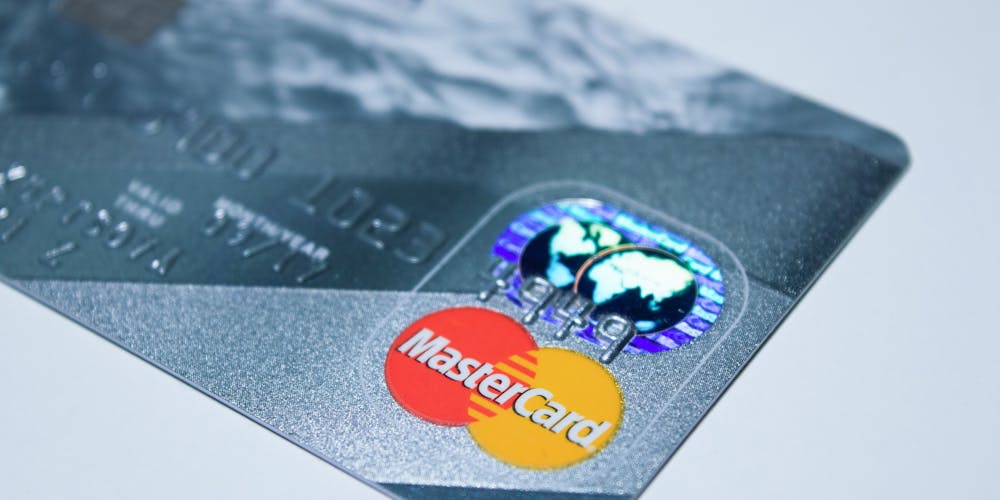
In a move that celebrates inclusivity and innovation, Mastercard and UniCredit have partnered to develop the Mastercard Touch Card, a breakthrough solution for visually impaired individuals. Launched on April 22, 2024, the Touch Card is specially designed to make financial transactions more accessible for the blind and partially sighted. A distinctive feature of the card is the tactile side notches, which provide a way for users to easily identify their card through touch.
The initiative comes as a welcome change for an estimated 30 million blind and partially sighted people across Europe, struggling with the challenges of day-to-day financial transactions. The Touch Card’s design prioritizes user experience, offering a sense of independence and security for users who previously relied on assistance to distinguish their payment cards.
A Commitment to Eco-Friendly Production
Mastercard’s commitment to sustainability and inclusivity is evident in the creation of the Mastercard Touch Card, crafted from recycled PVC. This initiative underscores their dedication to environmental initiatives and providing accessible financial tools. The card is also adorned with the Mastercard Sustainable Card Badge, showcasing the company’s endorsement of eco-friendly production practices.
This innovation by Mastercard and partners like UniCredit is pivotal in demonstrating that financial products can go beyond mere functionality. They show a conscientious effort to incorporate sustainability into their offerings, meeting a modern demand to be environmentally responsible. The focus on using recycled materials for something as ubiquitous as a credit card paves the way for future green advancements in the financial sector and exemplifies corporate responsibility in an era where the health of the environment has become paramount.
Expanding Accessibility and Sustainability
Reaching Communities Across Europe
After an initial successful introduction in Italy, the Mastercard Touch Card is set to expand its reach throughout the 12 other countries where UniCredit operates. The extensive rollout is anticipated to cover roughly 20 million cards by the end of 2024. This expansion reflects Mastercard’s broader vision of accessible payment solutions for all individuals, regardless of physical ability.
Mark Barnett, President of Mastercard Europe, reiterated the company’s resolve to inclusivity in payment systems. Meanwhile, Alberto Palombi, Group Payment Solutions Head at UniCredit, advocated for the integrated approach combining ease of access with sustainability. The Mastercard Touch Card is poised to make a profound impact, offering practical solutions for visually impaired customers seeking independence in their financial transactions.
Envisioning an Inclusive Future
The collaboration between Mastercard and UniCredit on the Touch Card is a shining example of inclusive finance. This card is carefully crafted with distinctive tactile attributes and a focus on environmental sustainability, reflecting the dedication of both companies to social responsibility.
The introduction of the Touch Card is met with positivity, particularly among advocates for the visually impaired who see it as a major step toward accommodating diverse customer needs. Moreover, it signals the move towards eco-friendly practices in banking.
Overall, the Touch Card embodies a radical change in accessible banking services, showing how the financial sector can be a catalyst for societal benefits. This effort demonstrates the possibility of merging inclusion with eco-consciousness in the world of finance, setting a benchmark for others to follow.