

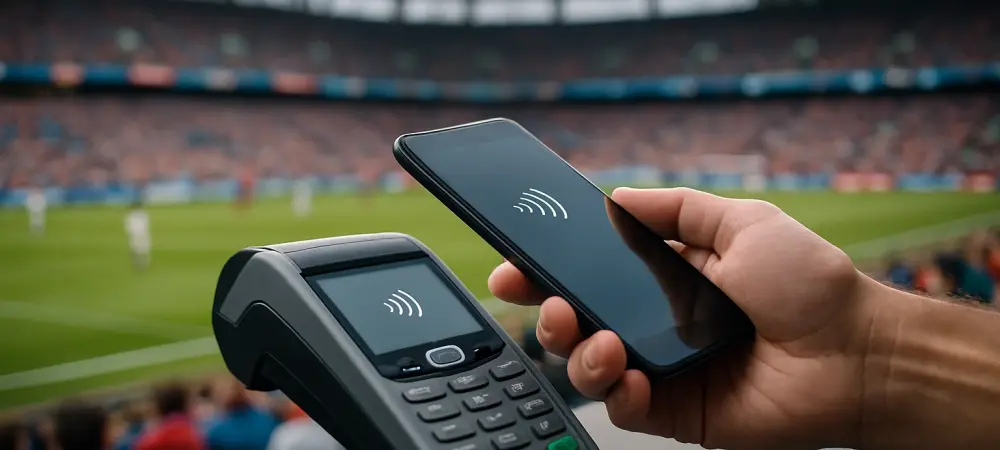
Imagine a packed stadium on game day, with thousands of fans eager to grab a hot dog or a team jersey, only to be stuck in long lines due to slow payment systems—frustration builds, and the excitement of the event dims. This scenario is becoming a relic of the past, thanks to innovative payment technology providers stepping up to revolutionize transactions in sports venues. Global Payments Inc., a leading name in payment solutions worldwide and listed on the NYSE under GPN, is at the forefront of this transformation. With recent partnerships announced with prominent U.S. sports franchises, the company is redefining how transactions are handled in high-traffic environments like stadiums. Their focus on speed, reliability, and seamless user experiences is setting a new standard for operational efficiency at major sporting events, ensuring fans spend more time cheering and less time waiting. This development marks a significant shift in how sports organizations approach payment processing to enhance the overall gameday atmosphere.
Pioneering Partnerships with Iconic Teams
Global Payments has recently solidified its role as a key player in sports venue transactions through strategic alliances with two major U.S. sports franchises. The company has been chosen as the payment technology provider for Major League Baseball’s Minnesota Twins at Target Field, focusing on streamlining food and beverage concessions over a multi-year agreement. Additionally, an extended partnership with the NFL’s Dallas Cowboys at AT&T Stadium ensures continued excellence in payment processing across food, beverage, retail, and ticketing operations. These collaborations highlight Global Payments’ extensive reach, with a portfolio spanning approximately 160 stadiums and venues worldwide. The emphasis in both partnerships is on delivering fast, dependable systems that minimize delays for fans while boosting operational efficiency for the teams. This move underscores a growing recognition among sports organizations that partnering with a trusted payment provider is crucial for maintaining a competitive edge in fan satisfaction and event management.
Driving Innovation in High-Stakes Environments
The demand for advanced payment technologies in sports arenas has never been higher, as speed and stability are paramount in managing the massive transaction volumes during events. Global Payments stands out by offering tailored solutions that address these critical needs, ensuring minimal disruptions and maximum convenience for fans. Statements from team executives reflect deep confidence in the company’s capabilities—Jason Lee, Senior Vice President and Chief Strategy Officer for the Minnesota Twins, praised the seamless transactions enabled by Global Payments, while Matt Messick, Chief Information Officer for the Dallas Cowboys, noted their consistent reliability across diverse transaction types. This trust is a testament to the company’s expertise in handling the intense pressure of gameday operations. Beyond individual partnerships, Global Payments’ leadership views these alliances as evidence of their expanding influence across various leagues and markets, positioning them as a go-to provider for modernizing stadium commerce with cutting-edge technology.