

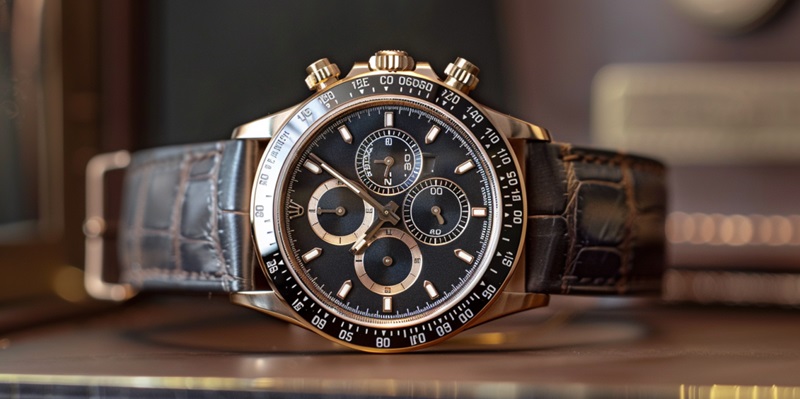
In the expansive panorama of luxury retail, a transformative shift is emerging with the debut of Embri, a cutting-edge InsurTech platform geared to reconfigure insurance for high-value purchases. Aimed at upscale retailers and a discerning clientele, Embri innovatively weaves insurance into the fabric of the buying process, offering immediate protection for newly acquired treasures. With its finger on the pulse of the upscale market, Embri seeks to bridge a crucial divide, offering seamless insurance integration at the point of sale, enhancing security and peace of mind for buyers of opulent items.
The Embri Innovation: Tailored Immediate Coverage
Embri’s ingenuity lies in the provision of instant insurance coverage integrated within the point of purchase, challenging the traditional approach to insuring valuables. Particularly vulnerable commodities, such as top-tier watches, can now garner protection in real-time. This user-centric solution, forged from rigorous research and development, underscores Embri’s commitment to tailored security, emphasizing the individuality of each luxury item and its buyer. This feature unravels a new era in the insurance domain, fostering an immediate and personalized safeguarding process for high-end purchases.
The premise of Embri is rooted in convenience; a single click at checkout translates to comprehensive coverage as customers step out with their prized possessions. This novel approach not only serves as a lucrative service extension but also as an indispensable element in the realm of luxury retail. It stands as a bold testament to the evolving demands of high-end shoppers, who now expect streamlined, efficient, and instant protective measures in congruence with their lifestyle.
Market Implications and Strategic Insights
Embri stands as a game-changer in the luxury retail landscape by embedding insurance directly into the customer’s purchase journey. Filling a significant gap recognized through shrewd market analysis, the platform’s introduction is timely with the luxury goods sector’s resilience. The foresight of integrative services is not merely opportunistic but symbiotic, primed to redefine retailer-consumer dynamics and generate fresh revenue pathways.
The equation of trust and loyalty is greatly enhanced by Embri’s offering. Luxury brands can now deepen their connection with customers, presenting care that extends beyond the sale. This proactive approach to consumer protection signals an elevation of the brand’s worth in the eyes of the buyer and positions the retailer in a favorable niche, both ethically and commercially. It’s a strategy that places premium value on clientele peace of mind, fostering a potent blend of reverence and reliance.
Security and Customer Experience Enhancement
Embri’s inception is a vigilant response to escalating concerns over the security of luxury possessions. The company’s aptitude for providing on-the-spot insurance coverage fortifies the purchasing experience, embedding a protective layer of certainty from the moment of acquisition. With the threat of loss or damage looming, such instantaneous assurance is not only comforting but now expected, resonating well within the sphere of luxury sales.
This bespoke offering illustrates the tailor-made nature of Embri’s insurance options, each crafted to suit the exclusive item and its owner. With discerning approach, Embri caters to the nuanced preferences of both luxury brands and insurance providers, featuring solutions that parallel the refinement of the products guaranteed. This commitment to personalized premium service is a nod to Embri’s broader ambition of redefining value protection for the elite consumer.
Broader Industry Trends and Innovations
Embri is set to revolutionize luxury retail with its avant-garde InsurTech platform, tailor-made for high-end shopping experiences. This cutting-edge service ensures that expensive purchases are instantly covered by weaving insurance seamlessly into the transaction process. Tapping into the needs of the opulent market, it fills a gap by integrating insurance at the point of sale, providing buyers with newfound confidence and security. As customers purchase their lavish items, Embri stands as a guardian, ensuring their investments are safe from the moment they leave the store. This integration is a game-changer, giving customers the peace of mind to enjoy their luxurious acquisitions without the worry of post-purchase insurance woes. Embri’s introduction is poised to set a new standard for buyer protection in the world of luxury goods.