

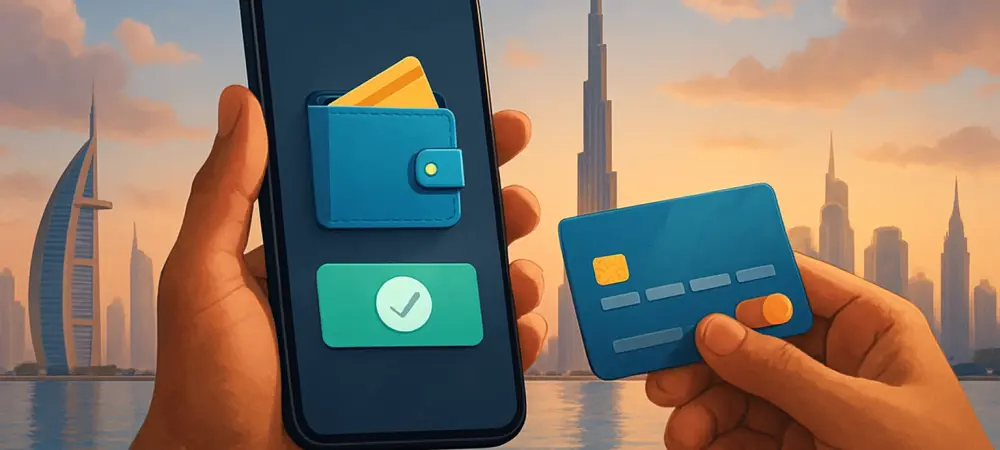
I’m thrilled to sit down with a leading expert in digital payments and financial technology, whose extensive background in the field offers unique insights into the rapidly evolving world of fintech. With years of experience analyzing global payment trends and innovations, our guest is perfectly positioned to shed light on Dubai’s groundbreaking move to integrate digital wallets for government payments, as well as the broader implications for the UAE and beyond. In this conversation, we’ll explore how this initiative transforms convenience for residents and tourists, aligns with Dubai’s vision of a cashless society, and positions the UAE as a leader in the Middle East’s digital payment landscape. We’ll also touch on the role of digital assets and the potential for financial inclusion through these advancements.
How does Dubai’s recent approval of digital wallets for government payments impact residents, tourists, and businesses?
This is a game-changer for everyone in Dubai. Residents and tourists can now pay government fees using popular digital wallets like Apple Pay, Google Pay, Samsung Pay, and others through platforms like DubaiPay and DubaiNow. It’s all about convenience— no more fumbling with cash or cards at government offices. For businesses and corporate entities, this streamlines transactions, reduces paperwork, and integrates seamlessly with their digital accounting systems. It’s a step toward making everyday interactions with the government faster and more efficient.
Can you walk us through the timeline for implementing these digital payment options across Dubai and potentially the UAE?
The commercial rollout is slated to be completed before the end of 2025, which means we’ll see a gradual integration across all government entities in Dubai over the next year or so. As for expansion beyond Dubai, there are already discussions to extend this model across the UAE, though no specific timeline has been confirmed yet. The goal is to create a unified digital payment ecosystem that could eventually cover the entire country.
How does this initiative tie into Dubai’s broader ambition to become a cashless society?
It’s a cornerstone of the Dubai Cashless Strategy, which aims to reduce cash transactions to less than 10% by the end of 2026. By incorporating digital wallets, Dubai is not only cutting down on physical currency but also enhancing transparency in public services, as every transaction is traceable. This builds trust and accountability while modernizing the economy to align with global digital trends.
Who stands to gain the most from this shift to digital wallet payments in Dubai?
Tourists and expatriates are likely the biggest winners here. They can now use familiar global payment methods without worrying about currency exchange or carrying cash. For instance, someone visiting Dubai can pay a visa fee or other charges directly through their phone. Businesses also benefit significantly, as this simplifies bulk payments for licenses or permits, and it opens up easier transactions with international clients or partners who rely on digital wallets.
What can you tell us about the Dubai Cashless Strategy and other efforts supporting this digital transition?
The Dubai Cashless Strategy is a comprehensive plan to digitize payments across all sectors, not just government services. A key part of this includes partnerships like the recent collaboration with Dubai Police to enhance digital payment options for fines and other services. These efforts also promote financial inclusion by making digital tools accessible to more people, ultimately fueling the growth of Dubai’s digital economy by encouraging innovation and participation in a cashless ecosystem.
What has positioned the UAE, and Dubai in particular, as a frontrunner in digital payments in the Middle East?
The UAE’s leadership in digital payments comes down to a mix of strong government backing and a tech-savvy population. Dubai, in particular, has invested heavily in infrastructure and policies that encourage digital adoption. Consumer behavior plays a big role too—people here are quick to embrace new technologies. Add to that a 42% year-on-year growth in digital assets, and you’ve got a region that’s not just keeping up but setting the pace for digital finance in the Middle East.
How are digital assets and stablecoins shaping the payment landscape in the UAE?
Digital assets, including stablecoins, are becoming a popular choice for both domestic and cross-border payments in the UAE. Residents are using them for everything from everyday purchases to larger transactions, especially during high-spending periods like Eid celebrations. With holdings reportedly worth $30 billion, it’s clear there’s huge interest. The UAE is also exploring a central bank digital currency, which could further diversify payment options and solidify its position as a fintech hub.
What is your forecast for the future of digital payments in the UAE over the next decade?
I’m incredibly optimistic about the trajectory of digital payments in the UAE. With initiatives like digital wallets for government services and the push for a central bank digital currency, I expect the UAE to become almost entirely cashless within the next decade. We’ll likely see even deeper integration of technologies like blockchain for secure transactions, alongside a surge in cross-border payment solutions. The focus on financial inclusion will also bring more people into the digital economy, making the UAE a global benchmark for fintech innovation.