

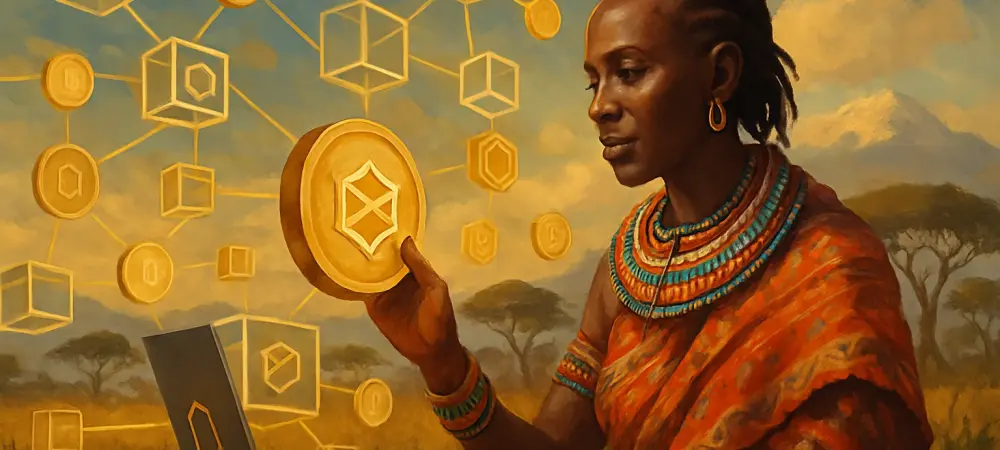
I’m thrilled to sit down with Nikolai Braiden, a pioneering figure in the world of blockchain and FinTech, whose insights into decentralized finance (DeFi) are shaping the future of money in emerging markets like Kenya. As an early adopter of blockchain technology, Nikolai has dedicated his career to exploring how financial technology can revolutionize digital payments and lending systems. With extensive experience advising startups on leveraging cutting-edge tools for innovation, he offers a unique perspective on how DeFi is transforming lives in Kenya, from rural farmers to urban entrepreneurs. In this conversation, we dive into the core of DeFi’s impact, exploring its role in financial inclusion, the power of blockchain infrastructure, the significance of stablecoins, and the real-world applications that are redefining economic opportunities for Kenyans.
How would you describe decentralized finance, or DeFi, to someone who’s completely new to the concept?
DeFi, at its heart, is a way to handle money without the traditional middlemen like banks or financial institutions. It’s built on blockchain technology, which is essentially a secure, digital record of transactions that no single person or entity controls. In simple terms, DeFi lets you borrow, lend, save, or invest directly with others through computer programs called smart contracts. For someone in Kenya, this means you can access financial services right from your smartphone, without ever stepping into a bank or dealing with piles of paperwork. It’s about giving power back to the individual, especially in places where banking hasn’t always been accessible.
What factors have positioned Kenya as a leader in DeFi adoption across Africa?
Kenya’s journey with DeFi didn’t happen overnight. The country already had a strong foundation with mobile money systems like M-Pesa, which revolutionized how people send and receive money. This digital culture made it easier for Kenyans to embrace new tech like blockchain and DeFi. Plus, a large chunk of the population lacks access to traditional banking—about a third of adults are unbanked—but most own a mobile phone. DeFi fills that gap by offering financial tools anyone with internet can use. There’s also a young, tech-savvy population eager to experiment, coupled with a growing community of local developers and startups building solutions tailored to Kenyan needs. It’s a perfect storm of necessity and innovation.
In what ways does DeFi stand apart from Kenya’s traditional banking systems?
The biggest difference is control. With traditional banking in Kenya, you’re often at the mercy of high fees, slow processes, and strict requirements like collateral or credit history that many can’t meet. DeFi flips that on its head. It operates on a decentralized network, so there’s no central authority deciding who gets a loan or how much a transaction costs. Everything is transparent—transactions are recorded on a public blockchain for anyone to see. Plus, it’s faster and cheaper. A loan that might take days or weeks through a bank can happen in minutes with DeFi, using smart contracts to automate the process. It’s a game-changer for people who’ve been locked out of the old system.
How does blockchain technology underpin the growth of DeFi in Kenya?
Blockchain is the backbone of DeFi. It’s a digital ledger that records every transaction in a way that’s secure and can’t be altered, which builds trust in a system without intermediaries. In Kenya, blockchain makes DeFi possible by enabling things like peer-to-peer lending or decentralized savings without needing a bank to verify or hold funds. It also supports transparency—whether it’s a small business owner in Nairobi getting a loan or a farmer insuring crops against drought, every step is visible on the blockchain. This tech is especially powerful in a place like Kenya, where trust in institutions can be low, and blockchain offers a way to bypass those doubts with hard-coded accountability.
Why is Ethereum such a critical platform for DeFi projects in Kenya?
Ethereum is like the engine driving most DeFi projects worldwide, and Kenya is no exception. What makes it special is its ability to run smart contracts—self-executing agreements that automate financial processes. For Kenyans, Ethereum powers apps that let you trade crypto, take out loans, or earn interest without a middleman. Local developers are building on Ethereum because it’s flexible and has a huge global community for support. It’s not just a currency; it’s a platform for creating solutions tailored to local challenges, like integrating with mobile money systems or creating insurance for rural farmers. Despite challenges like high transaction fees, its versatility keeps it at the forefront of DeFi innovation here.
Can you share an example of how stablecoins are making a difference for Kenyans in everyday transactions?
Stablecoins are digital currencies pegged to something stable, like the Kenyan shilling or the US dollar, so their value doesn’t swing wildly like Bitcoin. In Kenya, they’re a lifeline for people dealing with money across borders or just trying to save without fear of losing value overnight. Take a freelancer in Mombasa working for a client in Europe—using a stablecoin, they can get paid instantly without the hefty fees or delays of traditional bank transfers. It takes minutes instead of days, and they can convert it to shillings through mobile money integrations. Stablecoins provide predictability, which is huge for planning finances in an economy where volatility can hit hard.
How is DeFi practically helping small business owners or rural communities in Kenya?
DeFi is solving real problems for Kenyans, especially those outside the traditional financial system. For small business owners, platforms using smart contracts offer microloans without the red tape of banks. A trader in Kisumu, for instance, can put up crypto as collateral and get funds in hours to restock their shop—all automated, no branch visits needed. In rural areas, DeFi is powering insurance for farmers. If drought hits, a smart contract tied to weather data can trigger a payout instantly, no adjusters or delays. It’s about getting money to people when and where they need it most, cutting out barriers that have held them back for years.
What challenges do you see in the widespread adoption of DeFi in Kenya, and how might they be addressed?
There are hurdles, no doubt. One big one is education—many Kenyans don’t yet understand how DeFi or blockchain works, which can lead to mistakes or falling for scams. Then there’s regulation; right now, it’s a gray area, and without clear rules, some hesitate to dive in, while others take risks that could backfire. Security is another concern—badly designed smart contracts or phishing can wipe out funds. Addressing these needs a multi-pronged approach: community-driven education to teach the basics, platforms offering user-friendly tools with built-in safety, and collaboration with regulators to create policies that protect without stifling innovation. It’s a balancing act, but Kenya’s shown it can adapt fast.
What’s your forecast for the future of DeFi and blockchain in Kenya over the next decade?
I’m incredibly optimistic. Kenya is already positioning itself as a digital finance hub in Africa, and I see that accelerating over the next ten years. We’ll likely see more integration of DeFi with everyday tools like mobile money, making it seamless to move between shillings and digital assets. Stablecoins tied to the Kenyan shilling could become a norm for transactions, maybe even paving the way for a national digital currency. Blockchain will extend beyond finance into areas like agriculture and governance, with local developers leading the charge. If education and regulation keep pace, DeFi could fundamentally reshape how Kenyans access and think about money, driving inclusion and economic growth on a massive scale.