

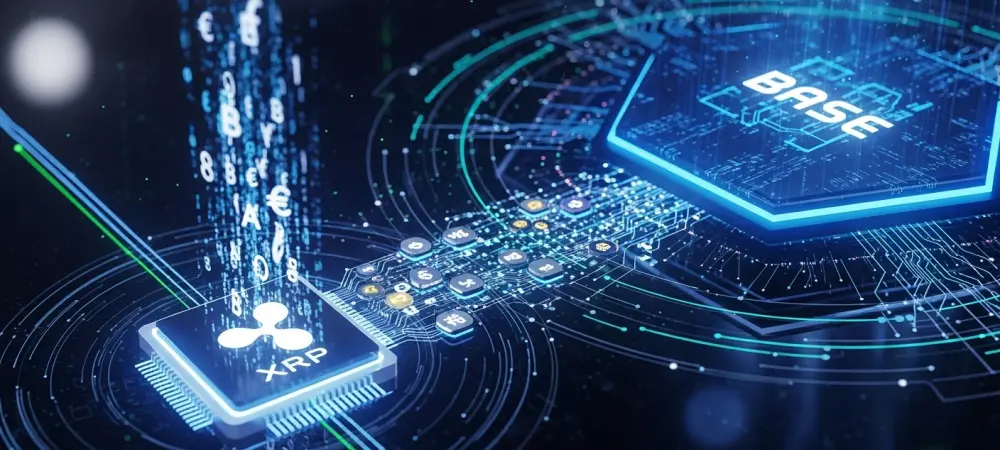
The introduction of Coinbase Wrapped XRP into the decentralized finance ecosystem represents a significant milestone in the ongoing efforts to unify disparate blockchain networks and liquidity pools. For several years, the digital asset landscape was characterized by isolated islands of value, where a holder of XRP could not easily participate in the lending or yield-farming protocols native to the Ethereum ecosystem without undergoing complex and often risky conversion processes. By establishing a secure, 1:1 backed representation of XRP on the Base network, the technical barriers that once hindered capital efficiency have been effectively dismantled. This integration allows users to maintain exposure to their preferred asset while simultaneously accessing the high-throughput, low-cost environment of a leading layer-two solution. Consequently, the broader market has observed a surge in capital velocity as participants reallocate dormant holdings into active, productive strategies that were previously reserved for assets native to the Ethereum Virtual Machine.
Bridging Assets and Networks
Technical Infrastructure: The Coinbase Wrapping Protocol
The core functionality of cbXRP relies on a sophisticated minting and redemption protocol managed by one of the industry’s most regulated custodians, ensuring that every token in circulation is verifiable and solvent. When a user deposits XRP into the designated Coinbase vault, an equivalent amount of cbXRP is minted on the Base network and delivered to the user’s wallet, creating a transparent audit trail that mitigates the risks associated with traditional multi-signature bridge designs. This custodial approach provides a level of institutional-grade security that has been missing from many decentralized bridges, which have historically been vulnerable to smart contract exploits and governance attacks. By leveraging a trusted intermediary for the backing, the system achieves a balance between the decentralization of the Base network and the reliability of a centralized storage solution. This hybrid model has proven particularly attractive to risk-averse investors who require absolute certainty regarding the underlying collateral of their digital representations.
Network Interoperability: Efficiency Gains on the Base Layer
Beyond the immediate security benefits, the technical implementation of cbXRP facilitates an unprecedented level of interoperability for the XRP community, allowing them to engage with smart contracts without leaving the safety of a regulated ecosystem. This seamless movement of value is facilitated by the Optimism-based architecture of the Base network, which allows for near-instant settlement and significantly reduced transaction fees compared to the Ethereum mainnet. For developers building on Base, the inclusion of a highly liquid asset like XRP offers a new set of primitives for creating diverse financial products, such as decentralized insurance and automated portfolio management tools. The ability to use XRP as collateral in a decentralized setting transforms it from a speculative store of value into a versatile utility token. This evolution reflects a broader industry trend toward asset-agnostic platforms where the specific chain an asset originated on becomes secondary to its utility and the liquidity it provides to the network.
Strategic Utility and Market Evolution
Market Dynamics: Enhancing Liquidity and Yield Strategies
The deployment of cbXRP on Base has catalyzed a new wave of liquidity provision across various decentralized exchanges and automated market makers, significantly deepening the order books for XRP pairs in the decentralized space. In this environment, liquidity providers can now earn trading fees and governance tokens by pairing their cbXRP with stablecoins or other major assets, effectively creating a passive income stream that was previously unavailable on the native XRP Ledger. Furthermore, the presence of cbXRP has enabled more sophisticated arbitrage opportunities, as traders can quickly move value between centralized exchanges and decentralized protocols to capitalize on price discrepancies. This increased market efficiency benefits all participants by reducing slippage and ensuring more accurate price discovery across the entire digital asset landscape. As institutional interest in decentralized finance continues to grow, the availability of a trusted, liquid version of a top-tier asset like XRP serves as a critical entry point for capital.
Implementation Results: Lessons from the Integration Period
Market participants effectively utilized the introduction of cbXRP to optimize their capital allocation strategies, demonstrating that the demand for cross-chain utility outweighed the previous reluctance to engage with custodial wrapping services. The successful integration into the Base network provided a clear roadmap for other legacy assets to seek similar pathways into the decentralized finance ecosystem, emphasizing the importance of security and regulatory compliance in the current era. To maximize the benefits of this new infrastructure, users and institutions alike took proactive steps to evaluate the specific risk-reward profiles of the various lending and liquidity pools available on the network. Moving forward, the focus shifted toward the development of even more integrated governance models and the potential for multi-chain utility that further abstracted the underlying blockchain layer from the end-user experience. This transition underscored the necessity of staying informed about protocol updates and security audits to maintain long-term success.