

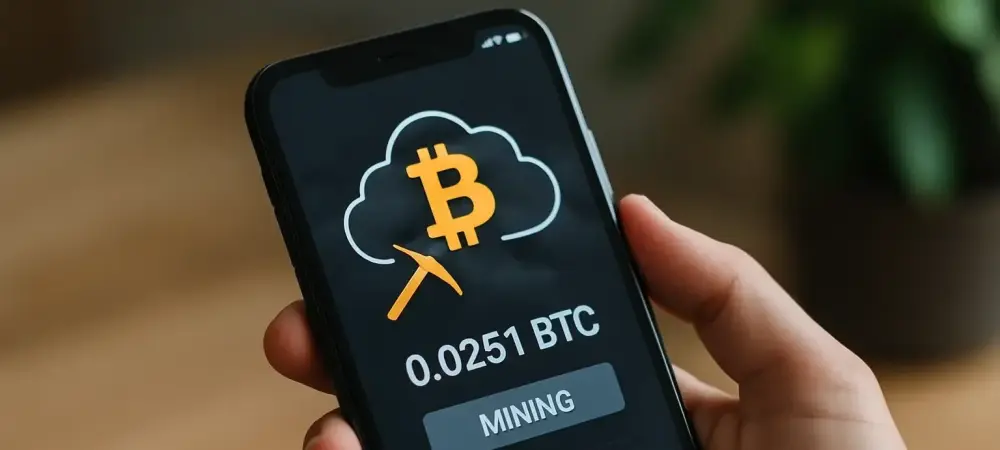
Bitcoin mining, a process integral to the security and functionality of the Bitcoin blockchain, has historically been a complex endeavor reserved for those with access to specialized hardware and substantial resources. With the value of Bitcoin skyrocketing beyond $112,000, the allure of mining as a lucrative source of passive income has captured the attention of a broader audience, reshaping the landscape through technological advancements. This surge in value, coupled with groundbreaking innovations, is making mining more approachable for everyday individuals. No longer confined to tech-savvy enthusiasts with deep pockets, the practice is evolving through solutions that prioritize accessibility and ease of use, sparking curiosity about how far this transformation can go.
The barriers that once made Bitcoin mining an exclusive activity are rapidly dissolving, thanks to the advent of cloud-based platforms and mobile applications. These modern tools are tearing down the traditional requirements of costly equipment and technical expertise, enabling virtually anyone with a smartphone to participate in the cryptocurrency boom. This shift mirrors a larger trend within the digital currency space toward inclusivity, driven by a collective push to democratize financial opportunities. As mining becomes less intimidating, it opens up new possibilities for global participation, setting the stage for a deeper exploration of how technology is redefining this critical process.
The Shift from Traditional to Cloud Mining
Breaking Down Barriers
Bitcoin mining, in its early days, demanded significant investment in high-powered hardware known as ASICs (Application-Specific Integrated Circuits), along with a constant supply of electricity to keep operations running. This created a steep entry barrier, limiting participation to those with the financial means and technical know-how to manage such setups. However, cloud mining has emerged as a transformative solution, allowing users to rent computational power from remote data centers. This approach eliminates the need for personal equipment or deep expertise, as the heavy lifting is handled by service providers. Platforms like Hashj exemplify this trend, offering a streamlined way for individuals across the globe to engage in mining without the traditional headaches, thus broadening the pool of potential miners and aligning with the ethos of decentralization inherent to cryptocurrency.
Beyond just removing physical and technical obstacles, cloud mining addresses the scalability issues that plagued individual miners in the past. Traditional setups often required constant upgrades to remain competitive as mining difficulty increased, placing ongoing financial burdens on participants. With cloud services, users can adjust their rented mining power based on budget or market conditions, providing flexibility that was previously unimaginable. This adaptability is particularly appealing in a volatile market where Bitcoin’s value can shift dramatically, influencing profitability. By outsourcing the operational complexities to established providers, newcomers can focus on potential returns rather than maintenance, marking a significant pivot in how mining is perceived and practiced on a global scale.
Real Value Over Empty Promises
The internet is rife with advertisements for “free Bitcoin mining,” a concept that often lures in unsuspecting individuals with promises of easy profits. In reality, many of these schemes come with hidden fees, negligible returns, or outright scams, leaving users with little to show for their efforts. Credible cloud mining platforms stand in stark contrast by offering transparent benefits, such as welcome bonuses and consistent daily payouts. For instance, Hashj provides a $118 welcome bonus to new users, delivering immediate value to kickstart their mining journey. This distinction underscores a growing consensus within the industry that sustainable profitability hinges on partnering with trustworthy services rather than chasing illusory free offers, ensuring participants can build trust in the process.
Moreover, the focus on real value extends to the operational transparency that reputable platforms prioritize. Unlike dubious schemes that obscure how earnings are generated, established cloud mining services provide clear insights into mining activities, often detailing the computational power allocated and expected returns. This openness helps demystify the process for beginners who might otherwise feel overwhelmed by the complexities of blockchain technology. By fostering an environment of accountability, such platforms not only protect users from financial pitfalls but also contribute to the legitimacy of mining as a viable income source, paving the way for greater adoption among those hesitant to dive into the cryptocurrency space.
Mobile Apps: Mining at Your Fingertips
Convenience Meets Innovation
Mobile technology has ushered in a new era for Bitcoin mining, placing unprecedented control and accessibility directly into the hands of users worldwide. Through dedicated applications, individuals can now monitor their mining progress, track earnings in real-time, and even initiate withdrawals without ever needing to access a desktop computer. This seamless integration into everyday digital tools caters to a modern audience that values immediacy and convenience, breaking down the perception of mining as a cumbersome, technical task. Apps offered by platforms like Hashj exemplify this shift, connecting users to vast networks of mining farms operating around the clock, ensuring that participation is as simple as checking a smartphone notification.
The impact of mobile apps goes beyond mere convenience, as they also enhance user engagement by simplifying complex processes into intuitive interfaces. For many, the ability to manage mining activities while on the go—whether during a commute or a coffee break—transforms the experience into something approachable and relatable. This democratization of access aligns with broader trends in financial technology, where mobile solutions are increasingly bridging the gap between sophisticated systems and average users. As these apps continue to evolve with added features like performance analytics and security enhancements, they are reshaping how individuals interact with cryptocurrency, making mining a practical option for a diverse, global audience.
Empowering a New Generation of Miners
A key strength of mobile mining apps lies in their ability to attract and empower a younger, tech-savvy demographic that might have otherwise overlooked Bitcoin mining due to its perceived complexity. By offering user-friendly designs and automating much of the backend work, these applications lower both psychological and practical barriers to entry. Hashj’s app, for instance, not only connects users to secure, 24/7 mining operations but also ensures profitability through efficient systems, appealing to those who prioritize ease alongside returns. This focus on accessibility is fostering a new wave of miners who view cryptocurrency as an integral part of their financial future.
Furthermore, the empowerment offered by mobile apps extends to the educational aspect, as many platforms integrate resources to help users understand mining fundamentals directly within the application. Tutorials, FAQs, and real-time support features equip newcomers with the knowledge needed to navigate the space confidently, reducing the intimidation factor associated with blockchain technology. This educational support, combined with the ability to start small and scale up as confidence grows, creates an environment where experimentation is encouraged without significant risk. As a result, mobile apps are not merely tools but catalysts for broader participation, signaling a lasting shift in how the next generation engages with digital currencies.
The Future Outlook for Bitcoin Mining
Capitalizing on Market Trends
The trajectory of Bitcoin mining appears increasingly promising as cryptocurrency prices continue to reach unprecedented heights, with Bitcoin already valued at over $112,000. This remarkable appreciation in value amplifies the financial incentive for mining, positioning it as a compelling avenue for passive income. Industry forecasts suggest that Bitcoin could climb to $120,000 or even $150,000 in the coming years, further enhancing the potential returns for those involved. As market dynamics evolve, the ability to capitalize on these trends through accessible mining solutions becomes a critical consideration for anyone looking to benefit from the ongoing cryptocurrency surge.
Additionally, the rising prices of other cryptocurrencies, such as Ethereum and Solana, contribute to a broader bullish sentiment that indirectly boosts Bitcoin mining’s appeal. Miners often reinvest earnings into diversified portfolios, creating a ripple effect across the digital asset space. This interconnected growth underscores the importance of staying ahead of market movements, as delays in participation could mean missing out on peak profitability windows. With economic factors and institutional adoption continuing to drive cryptocurrency valuations upward, mining stands out as a strategic entry point for individuals aiming to secure a foothold in this dynamic financial landscape.
Timing and Technology as Key Drivers
The convergence of soaring cryptocurrency prices and cutting-edge technologies like cloud mining and mobile apps has created a unique window of opportunity for aspiring miners. Acting swiftly to leverage these innovations can position individuals to maximize gains before market conditions shift or competition intensifies. Platforms that combine user-friendly interfaces with robust mining infrastructure are lowering entry barriers, enabling wider participation at a time when timing is crucial. The urgency to engage now is evident, as the landscape of digital currencies evolves rapidly, rewarding early adopters with potentially outsized returns.
Looking back, the strides made in Bitcoin mining technology over recent years have been instrumental in transforming it from an exclusive niche to a widely accessible activity. Reflecting on past efforts, cloud services and mobile applications have proven pivotal in addressing longstanding challenges like cost and complexity. These advancements have laid a solid foundation for future growth, ensuring that mining can adapt to changing demands. As attention turns to the next steps, it becomes clear that exploring reliable platforms and staying informed about market trends are essential actions for anyone who has ventured into this space, offering a pathway to sustained involvement in the cryptocurrency ecosystem.