

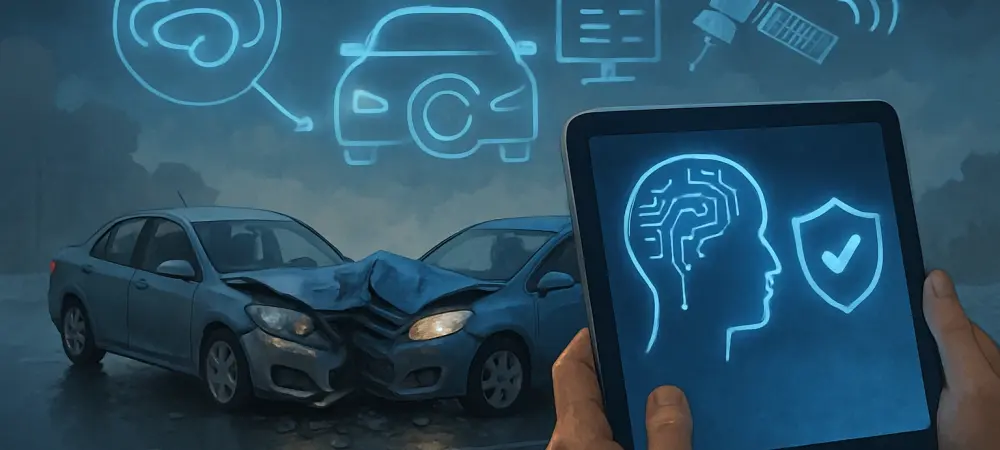
I’m thrilled to sit down with a true innovator in the field of insurance technology, whose extensive experience has positioned them at the forefront of integrating artificial intelligence into auto insurance. With a deep understanding of how AI can revolutionize processes like underwriting, claims management, and fraud detection, our expert has been instrumental in driving digital transformation in this space. Today, we’ll explore how AI is reshaping the auto insurance landscape, enhancing customer experiences, tackling unique challenges like those posed by electric vehicles, and striking a balance between automation and human touch.
How do you see AI transforming the broader auto insurance industry, and what areas do you think it impacts the most?
AI is truly revolutionizing auto insurance by bringing speed, accuracy, and personalization to the table. It’s not just a tool; it’s a fundamental shift in how insurers operate. The biggest impacts are in underwriting, where AI enables dynamic risk assessment using real-time data, and in claims management, where it streamlines processes that used to take days or weeks into mere hours. Fraud detection is another critical area—AI can spot patterns and anomalies that humans might overlook. Overall, it’s about making the industry more efficient and customer-focused, which is vital in today’s fast-paced, digital world.
Can you dive into how AI enhances underwriting and risk assessment for auto insurance policies?
Absolutely. Underwriting has traditionally relied on static data like a driver’s age or car model, but AI takes it to another level by incorporating real-time insights. For instance, using telematics from connected cars, AI analyzes driving behaviors—things like speed, braking patterns, and distance traveled—to tailor premiums. Safe drivers can be rewarded with lower rates, which feels fairer to everyone. It’s a more granular approach to risk assessment, allowing insurers to price policies with precision and adapt quickly to changing behaviors.
What specific advantages does AI offer when underwriting policies for electric vehicles compared to traditional cars?
Electric vehicles, or EVs, come with unique challenges like battery health and high-cost components, which traditional underwriting models aren’t equipped to handle. AI steps in by providing visibility into data points like charging habits—whether a driver uses AC or DC charging—and battery diagnostics. This helps insurers assess risks more accurately and set premiums that reflect the actual usage and condition of the vehicle. It’s a game-changer because EVs are still a growing segment, and AI helps insurers stay ahead of the curve with data-driven insights.
How does AI contribute to detecting fraud in auto insurance claims?
Fraud is a massive issue, costing billions annually and driving up premiums for honest policyholders. AI tackles this by analyzing vast datasets to identify subtle red flags that humans might miss—like inconsistencies in repair estimates or manipulated accident photos. Machine learning models can flag suspicious patterns in real time, whether it’s a staged accident or vehicle dumping. While it’s not foolproof, AI significantly reduces fraudulent claims, saving insurers money and protecting customers from inflated costs.
In what ways is AI making the claims management process smoother for policyholders?
AI is a lifeline for claims management, especially in terms of speed and transparency. With tools like generative AI chatbots, policyholders can file claims instantly by uploading photos of damage and tracking their status in real time. What used to involve endless paperwork and waiting is now often resolved in minutes for simple cases, like a flat tire. Even for more complex claims, AI can provide initial assessments and route them to human adjusters when needed. It’s all about reducing frustration and making the process feel seamless.
How does AI personalize and improve the overall customer experience in auto insurance?
Customers today expect quick, tailored services, and AI delivers exactly that. Virtual assistants and chatbots are available 24/7 to answer questions, generate quotes, or guide someone through buying a policy. Beyond accessibility, AI analyzes customer data to offer personalized recommendations—like suggesting specific add-on coverage based on a driver’s profile or location. This proactive approach builds trust and loyalty, turning what could be a transactional relationship into something more meaningful and long-lasting.
Do you think AI could ever fully replace human insurers or brokers in this industry?
I don’t see AI as a full replacement for humans, and honestly, it shouldn’t be. AI excels at repetitive tasks like data analysis or processing routine claims, freeing up humans to focus on complex cases and strategic decisions. But there’s an irreplaceable human element—empathy, nuanced judgment, and the ability to handle abstract situations—that AI can’t replicate. The best approach is a partnership where AI automates the grunt work, and humans bring the emotional intelligence and critical thinking to the table.
What are some of the unique challenges electric vehicles bring to auto insurance, and how can AI help address them?
EVs introduce complexities that traditional insurance models weren’t built for, like assessing battery health or the high cost of electric components. There’s also limited historical data to rely on since EVs are relatively new. AI helps by diving into specific metrics—think battery diagnostics or charging patterns—to provide insurers with actionable insights. This allows for better risk evaluation and more accurate damage estimates when claims arise. AI essentially bridges the knowledge gap, helping insurers adapt to this evolving market.
What is your forecast for the future of AI in auto insurance over the next decade?
I believe we’re just scratching the surface of what AI can do in auto insurance. Over the next decade, I expect AI to become even more integrated, driving a truly customer-centric ecosystem. We’ll see smarter underwriting with deeper telematics integration, claims processes that are almost entirely automated for routine cases, and fraud detection that’s near real-time across the industry. But the real excitement is in how AI will support emerging trends like autonomous vehicles and shared mobility. It’s going to redefine not just insurance, but the whole concept of mobility, making it safer and more personalized. I’m optimistic that with the right balance of tech and human oversight, we’ll build an industry that’s more responsive and equitable for everyone.