

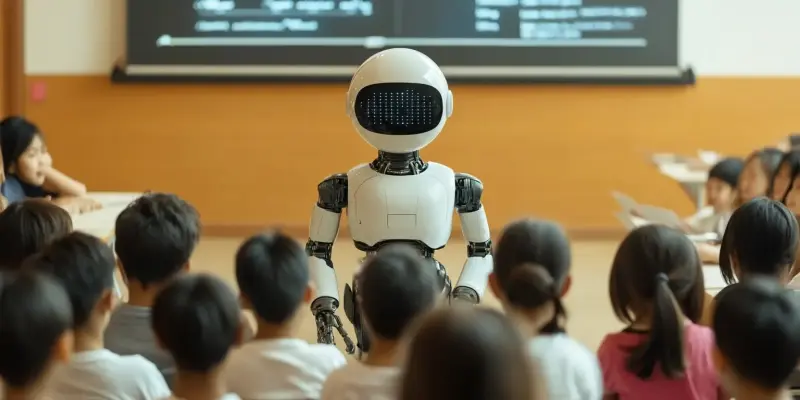
The landscape of education is undergoing a significant transformation with the increasing adoption of AI tools, reshaping how students learn and complete their assignments in unprecedented ways. Bagoodex, a pioneering AI-driven homework helper, is playing a crucial role in this revolution. This article will explore how AI like Bagoodex is transforming education and student learning, shedding light on the benefits, challenges, and best practices for integrating these advanced tools into modern educational frameworks.
The Rise of AI in Education
In recent years, AI tools have become integral to modern education, offering innovative solutions that address traditional learning challenges and inefficiencies. Bagoodex, a state-of-the-art AI tool, exemplifies this trend with its advanced capabilities, such as generating well-structured writing and code. This makes it a highly valuable resource for students seeking support with their assignments. By producing human-like text and solving complex problems, Bagoodex positions itself as a digital tutor capable of providing personalized learning experiences tailored to individual needs.
Bagoodex’s immediate feedback and customized guidance greatly enhance students’ understanding, promoting independent learning and comprehension. By automating routine tasks, AI tools like Bagoodex free up students’ time, allowing them to focus on critical thinking and engage in deeper study sessions. Paul Sokolov, the founder of Bagoodex, emphasizes the importance of balancing the convenience and efficiency of AI tools with a dedication to genuine comprehension and meaningful learning. This balance is crucial to maximizing the benefits of AI in education.
Personalized Learning Experiences
One of the most significant advantages of AI tools like Bagoodex is their ability to provide truly personalized learning experiences. By harnessing sophisticated algorithms, these tools can adapt to the unique needs of individual students, offering tailored feedback and support. This level of personalization helps students grasp concepts more effectively and fosters a more engaging and interactive learning environment.
AI-driven tools have the capability to identify areas where students struggle, offering targeted assistance to ensure that learning is attuned to each student’s pace and level of understanding. This approach not only improves academic performance but also enhances students’ confidence and motivation. By providing a customized learning journey, AI tools can help students overcome obstacles more efficiently and develop a deeper understanding of the material they are studying.
Challenges and Risks of AI in Education
Despite the numerous advantages offered by AI tools in education, their use also presents several challenges and risks that must be carefully considered. One major concern is the potential for cheating and the spread of misinformation. Students must learn to approach AI-generated content critically and verify its accuracy. Over-reliance on AI can weaken essential critical thinking skills, as students might be tempted to accept AI-generated answers without engaging deeply with the material or independently verifying facts.
To mitigate these risks, it is crucial for students to use AI tools like Bagoodex as supplementary aids rather than primary sources of information. Cross-referencing AI-generated content with credible sources and consulting educators can help ensure the reliability of the information and prevent misuse. By fostering a culture of critical assessment and independent verification, students can develop robust academic practices that complement the use of AI tools, rather than relying solely on them.
Best Practices for Integrating AI Tools
Effectively integrating AI tools like Bagoodex into study routines requires thoughtful consideration and strategic planning. Students should use these tools for clarification, exploration, and support, while maintaining a balance with traditional learning methods. Setting clear boundaries around the use of AI can help prevent dependency issues and ensure that educational objectives align with broader academic pursuits and personal growth.
Educators play a vital role in guiding students on the responsible use of AI tools. By fostering a culture of critical engagement and independent verification of facts, educators can help students harness the potential of AI without compromising academic integrity. Providing students with strategies for balancing AI use with traditional learning methods can lead to more well-rounded educational experiences that emphasize both technological advantages and foundational learning principles.
The Future of AI in Education
The landscape of education is experiencing a significant transformation through the increasing adoption of AI tools, fundamentally altering how students learn and complete their assignments in unprecedented ways. One standout example is Bagoodex, a groundbreaking AI-powered homework helper that is playing a pivotal role in this educational revolution. This article delves into the ways AI technology, like Bagoodex, is reshaping education and the student learning experience. We will examine the various benefits that these advanced tools bring to the table, such as personalized learning and increased efficiency. Additionally, we will consider the challenges involved, including potential dependency on AI and the need to maintain academic integrity. Finally, we will provide best practices for effectively integrating AI tools into modern educational frameworks. By understanding and leveraging the potential of AI, educators and students alike can navigate this new educational landscape with greater confidence and success.