

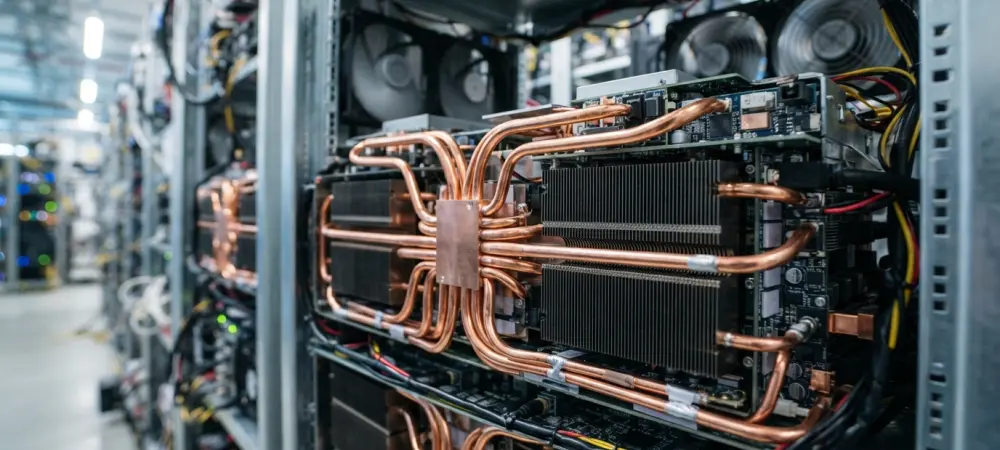
The technological maturation of global digital currency infrastructures has elevated electricity procurement from a mere operational expense to the definitive architect of long-term financial solvency for large-scale mining ventures. In this sophisticated industrial era, the transition from decentralized hobbyist setups to massive, institutional-grade data centers has redefined the parameters of success. Competition for the finite supply of block rewards has intensified to a level where the nuances of hardware efficiency and energy contracts dictate the survival of every operation. The current market finds itself dominated by hosting providers and institutional miners who utilize ultra-efficient hardware like the Bitmain Antminer S23e series to stay ahead of the difficulty curve. These large-scale operators have successfully navigated the shifting global landscape by seeking out stable regulatory environments and implementing advanced cooling solutions to maintain peak performance.
Success in today’s environment is no longer just about owning the fastest machine; it is about the environment in which that machine operates. Professional miners now prioritize facilities that offer robust physical infrastructure and a predictable legal climate. Technological advancements, particularly in the realm of liquid and hydro-cooling, have become the standard for extending the life of high-performance application-specific integrated circuits. As hardware becomes more expensive and rewards become more difficult to secure, the industry has shifted its focus toward holistic operational efficiency. This evolution has forced a consolidation where only those with the most strategic approach to energy and infrastructure can maintain a competitive edge.
The Current Landscape of Global Bitcoin Mining Operations
The modern mining sector is characterized by a drive for extreme industrialization and the professionalization of every operational layer. Mining has moved far beyond the reach of individual enthusiasts using home setups, evolving into a sector defined by specialized data centers that mirror the complexity of traditional high-performance computing facilities. Today, the most successful ventures are those that can secure the latest generations of ASIC hardware while simultaneously locking in low-cost energy. The Bitmain Antminer S23e Hyd 2U, for instance, represents the pinnacle of current mining technology, but its potential is only fully realized when it is paired with an optimized hosting environment. Global shifts in where these machines are located are now driven by a search for both cheap power and regulatory stability, as miners flee regions with unpredictable utility costs or hostile legislative frameworks.
Regulatory maturity has also played a crucial role in shaping the current landscape. As governments around the world develop clearer guidelines for digital asset production, miners are gravitating toward jurisdictions that offer legal certainty and protections for their capital investments. This has led to the rise of specialized hosting hubs that offer a combination of cheap renewable energy and favorable tax treatments. In this environment, the ability to scale quickly and maintain high levels of uptime is the primary differentiator. Large-scale hosting providers have stepped in to fill the gap for investors who want exposure to mining rewards without the logistical burden of managing their own facilities, creating a more accessible but highly competitive marketplace.
The industry is also seeing a significant move toward vertical integration and advanced cooling technologies. Hydro-cooling has emerged as a preferred method for managing the immense heat generated by modern high-density miners, allowing for better overclocking potential and longer hardware lifespans. This technological shift is part of a broader trend where operational efficiency is maximized at every possible point. Miners who fail to adopt these advanced cooling methods or who operate in regions with high ambient temperatures and expensive air conditioning are finding it increasingly difficult to compete. The result is a landscape where the most efficient operators are those who have successfully integrated cutting-edge hardware with sophisticated energy management and cooling strategies.
Critical Trends and Market Projections for 2026–2033
Emerging Technologies and Evolving Mining Behaviors
The operational models of the current era are increasingly defined by the need to hedge against the inherent volatility of the energy and cryptocurrency markets. A dominant trend is the move toward locked-in hosting services that provide a shield against rising utility rates. These services allow individual and institutional investors to tap into industrial-scale power rates that would be otherwise inaccessible to smaller players. By utilizing these hosted models, participants can leverage the economies of scale provided by massive data centers, ensuring that their overhead remains predictable over many years. This shift reflects a broader change in mining behavior where the focus has moved from short-term speculation to long-term asset management and operational stability.
Innovation is also manifesting in the software and financial tools used to manage these assets. AI-driven smart mining platforms have become standard, allowing for real-time optimization of rewards by automatically switching between mining pools based on fluctuating difficulty and fee levels. These platforms are often integrated with sophisticated financial dashboards that provide miners with deep insights into their hashrate, energy consumption, and projected profitability. Moreover, the integration of hydro-cooling technology is not just about heat management; it is a fundamental shift in how hardware is maintained. By using water or specialized coolants to dissipate heat, miners can run their equipment at higher efficiencies for longer periods, which is essential for maximizing the return on investment over a seven-year hardware lifecycle.
Market Data and Forward-Looking Growth Performance
The financial outlook for the next several years is heavily influenced by the impending 2028 halving event. This scheduled reduction in block rewards will serve as a massive stress test for the entire industry, likely forcing inefficient operators off the network. Current data indicates that hashprice, which measures the revenue generated per unit of computing power, remains a highly sensitive metric. Following a significant drop in late 2024 to approximately $33.18 per PH/s per day, the market has become acutely aware of the thin margins separating profit from loss. Projections suggest that for a miner to remain viable after the 2028 halving, when hashprice could drop below $17.00, they must secure electricity at rates significantly lower than the global average. Growth performance in this sector is now almost entirely a function of the power rate. For a high-performance machine like the S23e, which consumes over 523,000 kWh over a seven-year period, the difference between a 3.6-cent rate and an 8-cent rate is staggering. At the lower rate, the cost of power is approximately $18,800, whereas at the higher rate, it balloons to over $41,000. This disparity means that a miner with a lower rate can retain more than 70% of their revenue as profit, while those at higher rates may see their margins vanish entirely. Consequently, the primary performance indicator for any mining investment is no longer the price of Bitcoin alone, but the contractual stability and cost of the energy supply.
Navigating the Obstacles of High Energy Costs and Downtime
The most significant threat to mining profitability is the silent combination of high energy costs and operational downtime. Many hosting agreements are structured with clauses that protect the provider rather than the miner, often citing commercially reasonable efforts as the standard for maintaining uptime. This can lead to situations where miners lose revenue during grid curtailments or facility repairs without any form of compensation. To mitigate these risks, strategic investors are now demanding more robust contractual protections. This includes written uptime guarantees of at least 95% and contracts that clearly define how utility outages and maintenance windows are handled. Without these protections, the financial modeling of a mining operation remains highly speculative.
Transparency in pricing is another major hurdle that miners must clear. Many providers advertise low starter rates that are only available to industrial-scale deployments, leaving retail or smaller institutional miners with significantly higher costs. Hidden fees, such as high exit charges or maintenance surcharges, can also erode profits over time. For example, some providers charge thousands of dollars just to remove a machine from their facility, making it difficult for a miner to move their hardware if rates become uncompetitive. The solution to these obstacles lies in seeking out providers that offer transparent, all-in pricing models. Prepaid power plans have emerged as a popular tool for locking in low rates and ensuring that mid-term utility hikes do not disrupt the financial viability of the operation.
Beyond the direct costs, the physical reliability of the hosting facility is paramount. Frequent incidents, such as equipment failures or power surges, can lead to significant cumulative downtime. In the competitive world of mining, every hour that a machine is offline represents a permanent loss of revenue that can never be recovered. Advanced facility management, which includes proactive maintenance and 24-7 monitoring, is essential for minimizing these disruptions. Professional miners are increasingly vetting their hosting partners based on their historical performance and the transparency of their incident reporting. A provider that can demonstrate consistent uptime and a commitment to hardware longevity provides a much safer harbor for capital in an inherently risky market.
The Regulatory Framework and Industry Compliance Standards
The global regulatory environment for Bitcoin mining has entered a period of intense scrutiny and rapid evolution. Laws governing energy consumption, carbon footprints, and financial reporting are no longer fringe concerns; they are now central to how mining farms must operate. Compliance with these standards is a prerequisite for long-term security and institutional investment. Many jurisdictions are introducing green taxes or utility surcharges specifically targeted at high-energy industries, which can directly impact the cost of power. Hosting providers that are proactive in their compliance efforts, particularly those using renewable energy sources, are better positioned to protect their clients from sudden legal or financial shifts that could otherwise jeopardize an entire operation.
In addition to environmental regulations, financial compliance has become a major factor in how mining revenue is managed. Standards for reporting and the movement of digital assets are tightening, requiring miners to use platforms that offer integrated financial tools and clear audit trails. This level of transparency is essential for building trust with traditional financial institutions and for ensuring that mining profits can be easily converted and moved within the global economy. Secure hosting facilities that provide robust security measures and adhere to international compliance standards offer a significant advantage to investors who are focused on capital preservation. Those who ignore these regulatory trends risk not only financial loss but also legal challenges that can lead to the seizure of hardware or the shutting down of facilities.
The shift toward carbon neutrality is also driving innovation in where and how mining takes place. Many of the most successful projects are now being integrated directly with renewable energy grids, such as wind or solar farms, to take advantage of excess capacity. This not only lowers the cost of power but also aligns with the growing demand for sustainable mining practices. Regulators are increasingly looking favorably upon operations that contribute to grid stability or that utilize energy that would otherwise be wasted. By positioning themselves as part of the solution to energy management challenges, mining operations can secure more stable long-term agreements and insulate themselves from the negative impacts of more restrictive environmental laws.
The Future of Mining: Innovation and Market Disruptors
Looking toward the coming decade, the integration of mining operations with flexible energy grids and the continued evolution of hardware will define the industry. We are likely to see the emergence of energy-sharing models where mining facilities act as a responsive load that can be scaled up or down to help balance the grid. This level of integration could allow miners to access even lower energy prices by providing a valuable service to utility companies. Furthermore, the decentralization of hashrate through more accessible and transparent hosting platforms will continue to lower the barriers to entry for global investors. These platforms are becoming more like traditional financial services, offering ease of use and professional-grade tools to a wider audience.
Potential disruptors include the development of new ASIC architectures that further push the boundaries of efficiency. As we reach the physical limits of current silicon technology, hardware manufacturers will need to find innovative ways to increase hashrate while lowering power consumption. Additionally, the standard for hardware protection is shifting. Seven-year warranties and comprehensive insurance plans for mining equipment are becoming more common as investors seek to mitigate the risks associated with high-wear industrial machinery. These protections, combined with locked-in power rates, are transforming Bitcoin mining from a volatile venture into a more predictable and manageable financial instrument that can be held over multiple halving cycles.
The role of renewable energy will only grow as the industry seeks to decouple itself from the volatility of fossil fuel markets. We are seeing a move toward mining as a way to subsidize the development of new energy projects in remote areas. By providing a constant demand for power, mining can make renewable energy projects financially viable in locations where there is currently no other demand. This synergy between Bitcoin and the energy transition is one of the most exciting trends in the sector. As these models become more refined, they will likely lead to even lower power pricing for the most innovative and strategically located operations, ensuring their survival and growth in the years to come.
Strategic Summary and Long-Term Investment Outlook
The analysis established that the cost of electricity served as the most critical determinant of financial success within the Bitcoin mining sector. During the observation period, the data demonstrated that the difference between a high and low power rate effectively dictated whether an operation could survive a halving event. Strategic miners identified the 3.6-cent power threshold as a vital defensive moat, enabling them to maintain profitability even when the network hashprice experienced significant downward pressure. This focus on controllable inputs allowed these participants to build more resilient financial models that were less dependent on the immediate price fluctuations of the underlying asset.
Investors who prioritized long-term, locked-in power contracts achieved a much higher degree of predictability in their returns. The findings showed that by treating a mining machine as a seven-year financial obligation rather than a short-term gamble, successful operators were able to realize nearly double the profit margins of their less-prepared competitors. The research confirmed that the choice of hosting provider was often more impactful than the choice of the mining machine itself, as the lifetime cost of power often exceeded the original purchase price of the hardware by several multiples. This realization shifted the focus of the market toward contractual integrity and transparent pricing models that offered protection against energy inflation.
Ultimately, the sector moved toward a model of operational excellence where downtime was minimized through written guarantees and sophisticated facility management. The integration of advanced cooling and AI-driven optimization tools became the standard for those seeking to maximize their hashrate efficiency. As the industry prepared for future reward reductions, the participants who secured the most efficient energy rates and the strongest legal protections found themselves in the best position to capitalize on the continued growth of the network. The data concluded that while the rewards of mining remained significant, they were increasingly reserved for those who approached the industry with the rigor and long-term vision of a traditional industrial enterprise.