

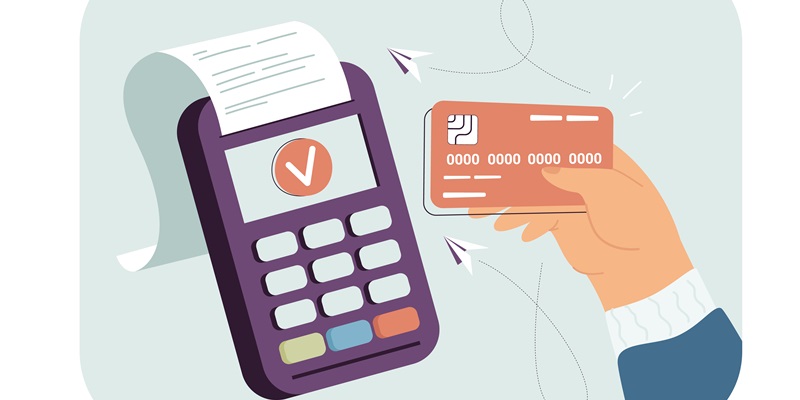
In today’s competitive marketplace, it’s imperative for businesses to have a payment platform that is not only streamlined and secure but also versatile. Adyen epitomizes these qualities, providing an essential payment solution that can elevate your business on multiple fronts. By adopting Adyen’s advanced payment system, your business stands to gain expansive market access, offer an improved shopping experience to customers, and bolster its defenses against fraud.
The adoption of Adyen isn’t merely about upgrading payment processing—it’s about embracing a strategy that places your business at the forefront of payment technology. Adyen’s system is engineered to integrate a variety of payment methods, meeting the needs of a diverse customer base while also ensuring transactions are both swift and secure. It simultaneously equips businesses with the tools required to monitor transactions in real time, thus enabling immediate response to suspicious activities.
Adyen’s scalability ensures that as your business grows, the payment system adapts, making it suitable for businesses of any size. Plus, its real-time data analytics can inform business decisions, thus helping to tailor customer experiences and streamline operations. In essence, integrating Adyen is not just a matter of improving payment processing; it represents a strategic move that can propel your company to new heights, providing a customer-centric and secure platform that is crucial for sustained business growth and customer trust.
Assessing Business Payment Requirements
The first step toward enhancing your payment system begins with a thorough evaluation of your current payment infrastructure. Understanding the deficiencies and potential improvements is key before integrating Adyen’s capabilities. Whether it’s the need to embrace more diverse payment methods or ensuring compliance with international transaction regulations, this initial assessment paves the way for a more tailored and efficient payment solution.
By grasping the demographic and their preferred payment methods, businesses can ensure that Adyen’s diverse offerings will be well-received and effectively utilized. It’s about anticipating your customers’ needs and adapting your payment infrastructure to meet them precisely where it matters.
Establishing an Adyen Account
To utilize Adyen’s payment solutions, a key initial step is establishing a merchant account. This process, while not overly complex, necessitates the thorough sharing of your company’s specifics and compliance verification to align with all regulatory standards. This stage is critical in developing a reliable payment system that upholds the confidence of all involved with your business.
Signing up with Adyen is more than just getting a merchant account; it unlocks a powerful array of analytical tools. These resources provide crucial insights, which are invaluable in managing the flow of payments. They empower businesses with detailed data analytics and management features, all aimed at promoting transactional efficiency and contributing to the betterment of overall business performance.
Integration with Adyen’s payment platform means tailoring the customer experience with a multitude of payment options, supported by a robust back-end system that minimizes fraud risk and optimizes approval rates. With Adyen, your business is poised to adapt to an evolving market, engaging customers across multiple channels seamlessly.
In essence, creating a merchant account with Adyen not only paves the way for securely handling payments but also imparts the tools to amplify your business growth, fostering an environment of strategic decision-making and refined transactional processes.
Acquainting with Adyen API Resources
In any integration, understanding the technicalities is paramount, and Adyen offers exhaustive API documentation for this very purpose. Familiarity with these guides is indispensable for developers and business owners alike, as they elucidate the process of integrating the payment platform into your existing systems.
These API resources have been meticulously crafted to ensure clarity and ease of use. They act as the blueprint for your journey through the integration steps, addressing each technical need with precision and care.
Selecting an Integration Path
Adyen acknowledges the distinct needs of different businesses and thus provides multiple integration options. For those seeking tailored solutions, Direct API integration is an ideal choice, offering full customization. Meanwhile, pre-built plugins are available for ease of integration with popular e-commerce platforms.
When selecting an integration method, it’s imperative to consider the level of technical expertise available and the objectives of your long-term business strategy. A well-considered choice here will lead to the development of a payment solution that is not only flexible but also well-suited to your existing business processes.
Making the right integration choice with Adyen ensures that the payment system you put in place will enhance your operational efficiency and adaptability. By choosing the path that best fits your business needs and technical capabilities, you set the foundation for a payment processing experience that is both smooth for your customers and aligned with your company’s growth trajectory. Whether you opt for a custom solution or a plugin for a quick setup, Adyen’s diverse offerings are designed to cater to the unique commerce requirements of each business, underpinning a secure and streamlined transaction environment.
Crafting the Payment Interface
The customer interface serves as the touchpoint between your business and its clients. It’s essential that this interface is user-friendly and designed with the utmost emphasis on the ease of transaction. Whether through a website interface, mobile app, or in-store system, streamlining this payment touchpoint is crucial for maintaining customer satisfaction and fostering repeat business.
The meticulous design and implementation of this interface act as the front line of your payment system. It’s not just about aesthetics; it’s about creating an intuitive path for your customers to effortlessly complete their transactions with confidence and ease.
By addressing these essential steps and maintaining a consistent focus on best practices, the integration of Adyen’s payment system becomes a significant asset to any business. You stand to benefit from expanded market reach, a seamless customer experience, and fortified security measures. These steps not merely enhance transactional efficiency—they advance your business in the competitive arena of global e-commerce.