

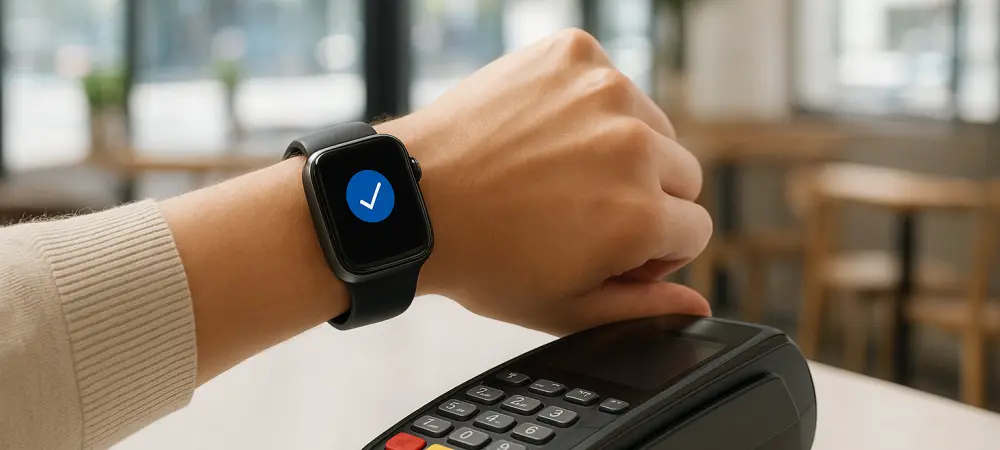
A shopper in a modern American metropolitan area taps a smartwatch to finalize a purchase, rarely considering the complex machinery that moves value across the globe. While the front-end experience appears instantaneous, the legacy financial system often requires multiple intermediaries to verify and settle funds over several business days. A layered infrastructure of nodes and validators allows simple mobile applications to offer blockchain settlement without requiring users to manage technical complexities. In 2026, the integration of these protocols into standard banking apps has fundamentally shifted how American businesses handle liquidity and cross-border transactions. Market data suggests that real-time settlement has become a baseline expectation for corporate treasurers who formerly navigated the opaque waters of correspondent banking. By removing the need for a central clearinghouse, blockchain technology provides a transparent and verifiable record that updates in near real-time, reducing the overhead costs typically associated with high-volume payment processing across the domestic market.
1. Wallet Setup and Transaction Authorization
The journey into the decentralized payment ecosystem begins with the selection and activation of a digital wallet, which serves as a secure interface between the user and the underlying network. Unlike a traditional bank account that is opened through a centralized institution requiring physical documentation, a digital wallet is a software or hardware tool that allows an individual to interact directly with the ledger. In the current 2026 landscape, most American consumers utilize non-custodial wallets integrated into familiar financial platforms, ensuring they maintain control over their assets without relying on a third-party custodian. These wallets do not actually store the funds in a physical sense but rather provide the technical means to access and manage assets that live permanently on the blockchain. This distinction is critical for understanding the shift toward self-sovereignty in finance, where the user holds the primary responsibility for maintaining the tools needed to access their digital wealth.
Once the wallet is active, the process of moving value involves a sophisticated cryptographic system consisting of two distinct components: a public key and a private key. The public key can be compared to an email address; it is a visible string of characters shared with others to receive funds. Conversely, the private key acts as the secret authorization code, a digital thumbprint that grants the power to move assets. To authorize a transfer, the sender inputs the recipient’s unique address and the amount, applying a digital signature via their private key. This signature proves ownership and intent without ever exposing the secret code to the network. In 2026, most American payment apps handle this signing process in the background, requiring only a biometric scan from the user to trigger the cryptographic engine. This proof of intent is the catalyst for the entire settlement process, turning a local command into a global action that is recognized and acted upon by thousands of independent computers.
2. Network Broadcast and Data Verification
After the digital signature is successfully applied, the signed transaction is broadcast from the user’s device to the wider decentralized network. This step marks the transition from a private action to a public request, as the data packet travels through various nodes that form the backbone of the blockchain infrastructure. In the US financial sector, high-speed fiber networks and optimized relay protocols ensure that this broadcast happens in milliseconds, reaching validators almost instantaneously. The transaction does not immediately become part of the permanent record; instead, it enters a transitional state where it is evaluated for technical correctness. Upon reaching the network, the transaction enters a digital waiting area known as the mempool, where it sits alongside other requests. Validators monitor this pool to select which transactions to include in the next ledger update. This decentralized queuing system replaces the centralized servers of legacy banks, offering a more resilient path.
The task of moving a transaction from the pending pool into the permanent record falls to the validators, which are specialized computers running the blockchain’s core software. These entities perform a rigorous check on every incoming request to ensure the sender has a sufficient balance and that the digital signature is authentic. This verification process is entirely automated and happens in the blink of an eye, utilizing the shared history of the ledger to confirm the validity of the funds. By 2026, the efficiency of these validation nodes has improved to the point where they can handle tens of thousands of transactions per second. Once a group of transactions is verified, the validator bundles them together into a data block. Each block contains a summary of the transactions and a cryptographic link to the previous entry in the chain, creating an unbreakable sequence of records. This structural organization makes the ledger manageable and enhances security by making the system virtually tamper-proof.
3. Consensus Agreement and Final Settlement
Before a new block can be added to the chain, the network must reach an agreement that the data contained within it is accurate and follows the established rules. This is achieved through a consensus protocol, which ensures that all validators agree on the state of the ledger. This decentralized agreement process ensures that no single entity has the power to manipulate the record or approve fraudulent transfers. In the US market, where trust in financial institutions is paramount, the transparency of this consensus mechanism provides a new layer of assurance for users. Once consensus is reached, the block is officially and permanently added to the blockchain, and the shared ledger is updated across every node in the network simultaneously. This synchronized update ensures that every participant has an identical copy of the financial history. The removal of the clearing phase, which in traditional banking can take days, represents a massive leap in capital efficiency for American businesses.
The final step occurs when the funds appear in the recipient’s digital wallet, marked by a confirmation that signals the completion of the payment. In the 2026 American market, this often happens within seconds of the sender initiating the move. Because the blockchain acts as both the messaging system and the settlement layer, there is no separation between the notification of a payment and the actual arrival of the money. This reality eliminates the counterparty risk that exists in traditional systems where a payment might fail to settle due to issues at an intermediary. A critical aspect of this finalization is that blockchain payments are generally irreversible once confirmed. Unlike credit card transactions, which can be clawed back through a chargeback process, a blockchain settlement is final, providing a significant advantage for merchants. This shift toward irreversible, near-instant settlement mirrors the physical exchange of cash but with the convenience and safety of a highly advanced digital format.
Strategic Implementation of Modern Payment Rails
The transition toward blockchain-based payments in the US market proved that infrastructure modernization could drastically reduce the friction of moving value. Businesses that adopted these protocols early gained a competitive edge by lowering transaction costs and improving their liquidity management through real-time settlement. These organizations shifted their focus toward integrating programmable money features, such as automated escrow and smart-contract-based invoicing, which further streamlined their back-office operations. Looking ahead from 2026, the focus moved toward the interoperability of different blockchain networks to ensure a seamless experience regardless of the underlying ledger used by the counterparty. Decision-makers prioritized the adoption of regulated stablecoins and secure custody solutions to maintain compliance while benefiting from the speed of decentralized rails. By embracing these tools, American enterprises took a decisive step toward a more transparent and efficient financial future.