

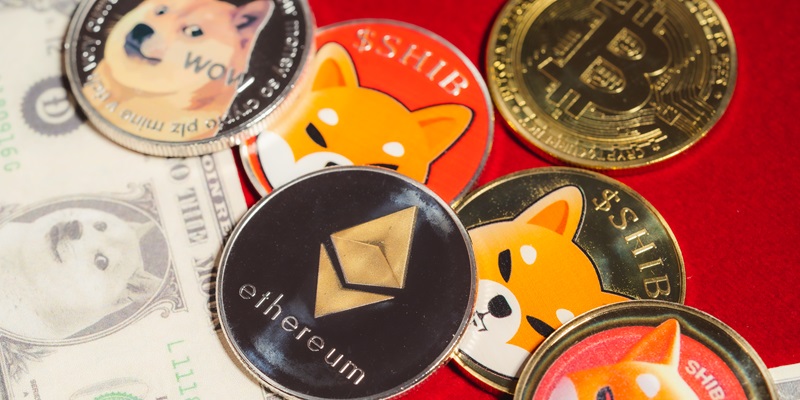
A seemingly ordinary digital photo has sent ripples through the cryptocurrency community, resulting in a sale that’s about more than just imagery—it’s sparked a craze for meme coins. The unwitting star at the center of this phenomenon is Achi, a dog whose image has unexpectedly become synonymous with a multi-million dollar craze. Achi’s photo isn’t just a picture, it has become a valuable asset, capturing the essence of why certain imagery can garner immense value in the digital realm. This dog’s likeness has transcended its simplicity, turning into a kind of digital gold rush that has crypto enthusiasts and investors abuzz with excitement. The fervor surrounding Achi’s photographic representation demonstrates the unpredictable and often whimsical nature of value in the digital age, where a single image can ignite a movement worth millions.
The Cultural Power of Memes in Crypto
In an astonishing turn of events, an NFT – a digital token representing ownership – of Achi’s photo was sold for a staggering $4.3 million. The hash of the transaction was immediately etched into the Ethereum blockchain, symbolizing arguably one of the most extraordinary sales in crypto history. This acquisition by PleasrDAO, a collective known for buying culturally significant pieces, underscores a broader phenomenon – the rise of meme coins and their substantial influence.
Cryptocurrency has long had an intimate relationship with internet culture, and memes have become the totems of this digital realm. Meme coins, which start as jokes or homages to social media phenomena, are evolving into serious financial players. The Achi photo NFT sale exemplifies this surreal crossover, where a dog’s photograph can underpin a token’s legitimacy and skyrocket its market value.
An Economic Boom Driven by Sentiment
Following the sale, Dogwifhat ($HAT) coin, inspired by Achi’s adorned image, saw an immediate 10% jump in price. This event speaks volumes about the current crypto market dynamics, where sentiment can swiftly shape economic outcomes. The sale not only bolstered the value of $HAT but also added fuel to the broader meme coin marketplace, inviting both skepticism and admiration from market watchers.
Skeptics question the sustainability of investing in assets grounded in viral trends. Yet, examples abound of similar coins amassing substantial market capitalizations. The popularity of meme coins reveals a growing appetite for investments that embody cultural zeitgeist. As the lines between digital entertainment and asset classes blur, the photo of Achi reaffirms the crypto community’s readiness to intensify its embrace of meme-infused market strategies, turning sentiment into significant capital.