

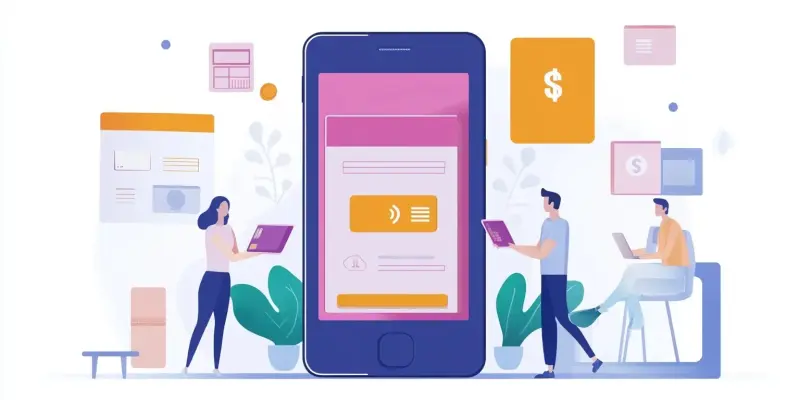
Mobile payment systems have revolutionized the way transactions are conducted, offering a myriad of benefits for small businesses. As technology continues to evolve, it is crucial for small business owners to understand and leverage these systems to stay competitive and meet customer expectations. The convenience, security, and efficiency provided by mobile payment systems are changing consumer behavior and the way businesses operate, making it a vital addition to any business strategy.
Mobile payment systems enable businesses to accept payments through smartphones or other mobile devices, providing a fast, secure, and convenient way for customers to pay for goods and services. By integrating these systems, small businesses can streamline their operations, enhance customer engagement, and open up new sales opportunities. This article explores the various advantages of mobile payment systems for small businesses and offers insights on how to effectively implement them.
Enhancing Customer Convenience
One of the primary benefits of mobile payment systems is the convenience they offer to customers. With the increasing use of smartphones, customers expect seamless and quick payment options. Mobile payments allow customers to complete transactions by simply tapping their phones or using mobile wallet apps like Apple Pay or Google Pay. This eliminates the need for carrying cash or physical credit cards, making the checkout process faster and more efficient.
Furthermore, mobile payment systems can be integrated with loyalty programs and digital receipts, providing a more personalized shopping experience. Customers can easily track their purchases and rewards, enhancing their overall satisfaction and encouraging repeat business. This level of convenience not only meets but often exceeds customer expectations, fostering a greater sense of loyalty and trust.
The ability to quickly and easily pay via mobile also reduces wait times, which can be particularly beneficial for businesses with high traffic, such as cafes or retail stores. Faster transactions contribute to a better customer experience by minimizing delays, improving the overall flow of operations, and allowing staff to focus on service quality.
Improving Transaction Security
Security is a major concern for both businesses and customers when it comes to financial transactions. Mobile payment systems offer enhanced security features that help protect sensitive information. These systems often require authentication methods such as fingerprint recognition, facial recognition, or passcodes, ensuring that only authorized users can complete transactions. These advanced security measures add an extra layer of protection compared to traditional credit card transactions.
Additionally, mobile payments use encrypted data transmission, making it difficult for hackers to intercept and steal information. This level of security not only protects customers but also builds trust in the business, encouraging more people to use mobile payment options. Customers are more likely to frequent businesses where they feel their financial information is safe, translating into increased customer retention and satisfaction.
Moreover, mobile payment systems often have fraud detection and prevention mechanisms in place. These systems can identify suspicious activity and alert both the customer and the business, preventing potential fraud before it occurs. By ensuring a secure transaction environment, businesses can mitigate risks and focus on growth and customer service.
Streamlining Business Operations
Implementing mobile payment systems can significantly streamline business operations. Traditional payment methods, such as cash and checks, require manual handling and processing, which can be time-consuming and prone to errors. Mobile payments, on the other hand, are processed electronically, reducing the need for manual intervention and minimizing the risk of human error. This shift towards electronic processing simplifies many aspects of transaction handling.
Mobile payment systems also provide real-time transaction data, allowing business owners to monitor sales and inventory levels more accurately. This data can be used to make informed decisions about stock management, marketing strategies, and overall business performance. The immediate availability of transaction data can help businesses respond quickly to trends, optimize inventory, and improve cash flow management.
Furthermore, mobile payment systems can be integrated with accounting software, facilitating easier reconciliation and financial reporting. This integration reduces the time spent on administrative tasks, allowing business owners to focus on strategic initiatives and customer engagement. By streamlining business operations through mobile payments, businesses can improve efficiency, accuracy, and profitability.
Expanding Sales Opportunities
Mobile payment systems open up new sales opportunities for small businesses. With the ability to accept payments anywhere, businesses can participate in events, markets, and pop-up shops without the need for a traditional point-of-sale setup. This flexibility allows businesses to reach a wider audience and increase their sales potential. Mobile payments enable businesses to be more agile and responsive to market opportunities.
Furthermore, mobile payments facilitate online and in-app purchases, enabling businesses to tap into the growing e-commerce market. By offering multiple payment options, businesses can cater to a broader range of customers and boost their online sales. E-commerce platforms that integrate mobile payment options can provide a seamless shopping experience, from browsing to checkout, increasing conversion rates and customer satisfaction.
Additionally, mobile payment systems can drive increased foot traffic to physical locations through features like proximity marketing and location-based offers. These systems can send promotional messages and discounts to customers’ mobile devices when they are near the store, encouraging them to visit and make a purchase. By leveraging mobile payment systems, businesses can create a unified shopping experience that bridges online and offline channels.
Reducing Transaction Costs
Another significant advantage of mobile payment systems is the potential to reduce transaction costs. Traditional payment methods, such as credit card processing, often come with high fees and charges. Mobile payment systems, however, can offer more competitive rates, especially for small transactions. By reducing transaction costs, businesses can improve their profit margins and reinvest the savings into other areas of the business, such as marketing, product development, or customer service.
The lower fees associated with mobile payments are particularly beneficial for small businesses operating on tight budgets. Reducing overhead costs allows businesses to allocate more resources towards growth initiatives, employee training, and enhancing the customer experience. Additionally, the cost savings can be passed on to customers through discounts or promotions, making the business more attractive to price-sensitive consumers.
Furthermore, mobile payment systems often offer transparent pricing structures with no hidden fees, making it easier for businesses to manage their finances. This clarity in transaction costs helps businesses plan their budgets more effectively and avoid unexpected expenses. By optimizing transaction costs, small businesses can strengthen their financial health and position themselves for long-term success.
Enhancing Customer Engagement
Mobile payment systems can also enhance customer engagement by providing valuable insights into customer behavior and preferences. By analyzing transaction data, businesses can identify trends and tailor their marketing efforts to better meet customer needs. For example, businesses can use mobile payment data to create targeted promotions and personalized offers, encouraging customers to return and make additional purchases.
This level of engagement helps build strong customer relationships and fosters brand loyalty. Engaged customers are more likely to become repeat buyers and advocates for the brand, leading to increased word-of-mouth referrals and positive online reviews. Mobile payment systems also enable businesses to communicate with customers directly through the app, providing updates on promotions, new products, and exclusive events.
By integrating mobile payment systems with customer relationship management (CRM) software, businesses can track and analyze customer interactions across multiple touchpoints. This comprehensive view of customer behavior allows businesses to deliver a more personalized and cohesive shopping experience, ultimately driving customer retention and loyalty. Enhancing customer engagement through mobile payments can lead to increased sales and long-term business growth.
Facilitating Contactless Payments
In the wake of the COVID-19 pandemic, contactless payments have become increasingly important. Mobile payment systems support contactless transactions, allowing customers to make payments without physical contact with payment terminals. This reduces the risk of virus transmission and provides a safer shopping experience for both customers and employees.
Contactless payments are not only safer but also faster, reducing wait times at checkout and improving overall customer satisfaction. As health and safety concerns continue to influence consumer behavior, businesses that offer contactless payment options are likely to attract more customers. The convenience and safety of contactless payments have made them a preferred method for many consumers.
Moreover, contactless payments can enhance operational efficiency by speeding up transaction times and reducing the need for cash handling. This efficiency is particularly beneficial during peak shopping periods, as it helps businesses manage higher volumes of transactions without compromising service quality. By facilitating contactless payments, businesses can adapt to changing consumer preferences and ensure a safe and efficient shopping environment.
Integrating with Existing Systems
Mobile payment systems can be easily integrated with existing point-of-sale (POS) systems, making the transition smooth and hassle-free for businesses. Many mobile payment providers offer solutions that are compatible with popular POS systems, allowing businesses to continue using their current setup while adding mobile payment capabilities. This integration ensures that businesses can manage all transactions, whether mobile or traditional, from a single platform.
This integration simplifies accounting and reporting processes, as all transactions are recorded in a unified system. It also allows for a more cohesive and efficient operation, as employees can quickly adapt to the new payment methods without extensive training. Businesses can benefit from the enhanced functionality of mobile payments without the need for significant changes to their existing infrastructure.
Furthermore, integrated mobile payment systems can offer additional features, such as inventory management, employee scheduling, and customer relationship management. These features can help businesses streamline their operations, improve accuracy, and enhance the overall customer experience. By integrating mobile payment systems with existing POS systems, businesses can create a seamless and efficient workflow that supports their growth and success.
Adapting to Consumer Trends
Consumer preferences are constantly evolving, necessitating businesses to adapt to stay relevant. A significant trend is the increasing popularity of mobile payments, reflecting a shift towards digital and cashless transactions. By integrating mobile payment systems, small businesses can align with modern consumer expectations and stand out from competitors. These payment options cater to tech-savvy customers who prefer digital transactions.
Staying ahead of consumer trends can offer a competitive edge. Businesses adopting new technologies are perceived as innovative and forward-thinking, enhancing their brand reputation. This perception is appealing to younger demographics valuing convenience and modernization. By embracing mobile payment systems, small businesses can position themselves as industry leaders, attracting a loyal customer base.
Moreover, mobile payments offer businesses valuable data and insights into consumer behavior. This information aids in anticipating future trends and adjusting strategies accordingly. A proactive approach fosters continuous improvement and innovation, ensuring competitiveness in a fast-changing market. Adapting to consumer trends through mobile payments can lead to sustained growth and long-term success.
To sum up, mobile payment systems present small businesses with numerous opportunities to enhance operations and customer satisfaction. By adopting these systems, businesses provide added convenience, security, and efficiency in transactions. This expansion of sales options not only improves customer engagement but also capitalizes on consumer trends. The reduction in transaction costs and streamlined operations enable reinvestment into growth initiatives. Catering to the demand for contactless payments improves safety and attracts health-conscious consumers. Embracing mobile payment systems helps small businesses to thrive in an increasingly digital world.