

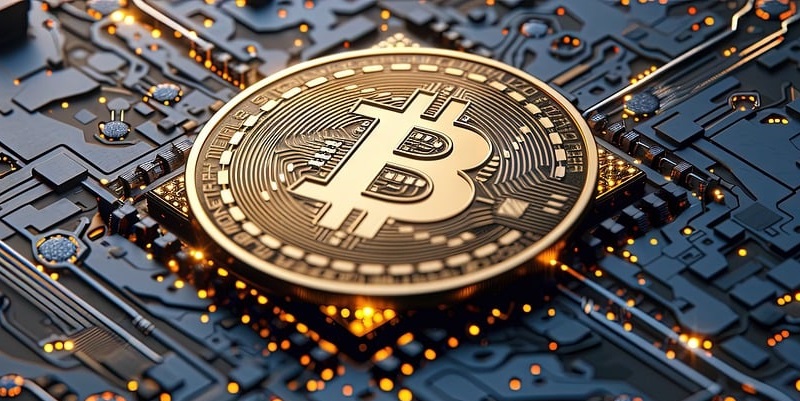
NFT INT LLC is taking a striking approach to combining the realms of political branding and cryptocurrency. Using Bitcoin Ordinals, they’re spicing up their promotional game with an intriguing “Mugshot Edition” of NFTs, each adorned with an image of the contentious ex-president, Donald Trump. For enthusiasts of digital collectibles, this move adds a layer of political intrigue to the mix. Moreover, NFT INT LLC ups the ante by offering a compelling incentive: those who invest in a hefty sum of 100 Mugshots or more are rewarded with an extra token of appreciation—exclusive Bitcoin Ordinals. This clever marketing strategy not only capitalizes on the notoriety of Trump’s public image but also injects a novel twist into the evolving NFT marketplace by blending the transactional nature of Bitcoin with the collectible aspect of NFTs.
NFT Promotion Elevates with Bitcoin Ordinal Incentive
Bitcoin Ordinals: A New Token of Distinction
Bitcoin Ordinals introduce a fresh twist to NFT promotions by anchoring digital assets into the Bitcoin blockchain, creating a unique and indivisible form of collectible. These aren’t your average NFTs; they boast a level of rarity that sets them apart, thanks in part to the ‘alpha rare’ Satoshis they incorporate. This not only adds a sense of exclusivity but also enhances their intrinsic value, making them particularly appealing to NFT collectors who crave uniqueness alongside aesthetic appeal or historical significance.
The allure of Bitcoin Ordinals lies in their scarcity, which goes beyond simply marketing buzz. It is a real differentiator in a space crowded with digital offerings. Those who get in on the action early, especially with special editions like the Mugshot series, have the chance to secure a rarefied piece of digital real estate. Bitcoin Ordinals don’t just present visual or conceptual intrigue; they offer an exceptional opportunity to hold a slice of digital rarity directly on one of the world’s most established blockchains.
From Digital Art to Political Memorabilia
The Mugshot Edition NFTs represent a unique fusion of political memorabilia and digital collectibles, offering an array of enticing benefits. These NFTs are much more than simple digital images; they include bonuses like dinners with former President Trump and special trading cards that embed fragments of his notable suits. With a promise of scarcity and exclusivity, these tokens are fashioned to be more than just collectibles; they’re akin to an investment in a piece of political history, intertwined with the allure of technological progress. They stand at the intersection of nostalgic political branding and the cutting-edge digital marketplace, aiming to captivate collectors and investors alike with their uniqueness and potential value. The Mugshot Edition NFTs are a testament to the innovation of campaign memorabilia in the age of blockchain technology.
Legal and Financial Context of Trump’s NFT Initiative
Trump Brand’s Monetization Amid Challenges
Despite facing multiple legal and financial hurdles, Donald Trump’s brand strategy remains resilient and innovative. Trump’s latest foray into the digital space is through NFT INT LLC’s “Mugshot Edition” collection, which supplements its NFT offerings with Bitcoin Ordinals—an emerging trend in blockchain. This strategic integration is a nod to the growing interest in digital scarcity and uniqueness provided by Bitcoin’s underlying technology. Through the integration of Bitcoin Ordinals, Trump’s brand is not only tapping into the crypto zeitgeist but is also cleverly leveraging these digital tokens to potentially rejuvenate and strengthen his brand presence. The aim is to stoke sustained interest in these digital collectibles, using the novel approach offered by Ordinals to give Trump’s associated products an edge in the competitive market of blockchain-based assets.
Campaign Funds and the Trump NFT Venture
Donald Trump’s latest venture, leveraging blockchain innovation in the form of NFTs, cannot be viewed separately from his broader financial challenges. Particularly noteworthy is the reported $86 million in legal costs since the start of his presidential campaign, some of which have been offset by campaign funds. This move to combine political brand power with cutting-edge technology could be an attempt to mitigate financial strain. The funneling of campaign contributions to cover such expenses illustrates the intricate blend of Trump’s political operations with his business interests. The inclusion of NFT sales as part of his funding strategy seems to be more than just a novelty—it’s potentially a vital element in his overall fiscal framework. The strategic use of these digital assets might provide a necessary financial bulwark amidst mounting costs.