

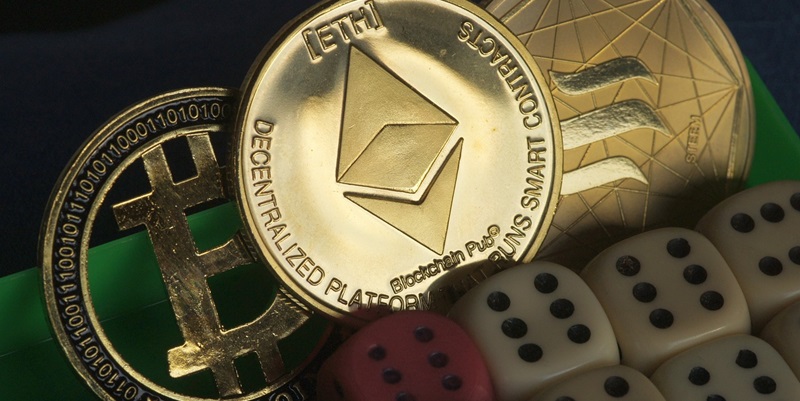
The financial landscape is constantly evolving, propelled by the innovative force of blockchain technology. At the forefront of this evolution are cryptocurrencies, each carving out a unique niche. Scorpion Casino (SCORP), Ethereum (ETH), and Avalanche (AVAX) are prime examples, driving bold changes in various sectors.
Scorpion Casino is integrating blockchain into the gaming world, Ethereum is reshaping decentralized applications with its smart contracts, and Avalanche is enhancing transaction speed and decentralization. These platforms are more than just payment methods, they represent different facets of blockchain’s influence on the economy. As they redefine how we engage in financial transactions, they also showcase the diverse capabilities and potential of blockchain technology. Their collective impact is a testament to the varied, yet interconnected, roles that cryptocurrencies can play in the broader financial ecosystem. Their progress is a glimpse into how blockchain is changing not just finance, but multiple aspects of our digital interactions.
The Innovative Approach of Scorpion Casino (SCORP) in Online Gambling
The online gambling landscape finds a pioneering ally in Scorpion Casino (SCORP), which infuses the trust and transparency of blockchain technology into the thrill of gaming. With a robust tokenomics model that advocates for strategic buy-backs and token burning, SCORP stands poised to foster an appreciating currency. The platform’s presale success story, where it amassed over $6 million, speaks volumes about the investor trust it commands, shedding light on its potential to redefine the financial frameworks within online gaming.
Looking beyond its presale triumph, Scorpion Casino’s unique proposition of a revenue-sharing model aims to ensure consistent returns for investors. In an industry where uncertainty is the only certainty, SCORP stands out by providing a semblance of stability. As enthusiasts eagerly anticipate its market debut, this innovative approach positions Scorpion Casino at the vanguard of blending financial ingenuity with the booming sector of online gambling, potentially reshaping its economic dynamics.
Ethereum (ETH) – The Cornerstone of Decentralized Applications
Ethereum is pivotal in the blockchain space, supporting a myriad of decentralized apps and smart contracts. Its anticipated Ethereum 2.0 upgrade represents a game-changing evolution. By shifting to a proof-of-stake consensus mechanism, Ethereum aims to solve the chronic challenges of high transaction fees and network bottlenecks.
The upgrade’s impact isn’t just technical; it cements Ethereum’s leadership in the decentralized sphere by making it more accessible and scalable. This reduction in cost and increase in speed doesn’t simply enhance Ethereum’s cryptocurrency aspect, it reinforces its foundation as an inclusive platform for developers and users. Ethereum 2.0’s strategic improvements position the blockchain as a formidable force in the finance world, bolstering its viability as a long-term investment option. With these advancements, Ethereum continues to distinguish itself as a dominant force in the blockchain revolution.
Avalanche (AVAX) – Setting the Pace with Scalability and Interoperability
Avalanche is making waves in the blockchain sphere with its impressive scalability and interoperability—keys to decentralized app growth. Its AVAX token is underpinned by an innovative consensus mechanism that allows for high-speed transactions and high throughput. This positions Avalanche as a leader in user-driven innovation in the blockchain industry.
Developers are drawn to Avalanche because of its revolutionary Subnets feature, which enables the creation of tailored blockchains for specific purposes. This versatility is expanding its influence across different sectors, including DeFi, gaming, and business applications.
Avalanche’s robust ecosystem and strategic industry incursions underscore its vision for diverse growth. With its standout features of customizability and potent performance, coupled with scaling capabilities, Avalanche is viewed as a compelling investment with the potential to significantly disrupt the financial sphere.