

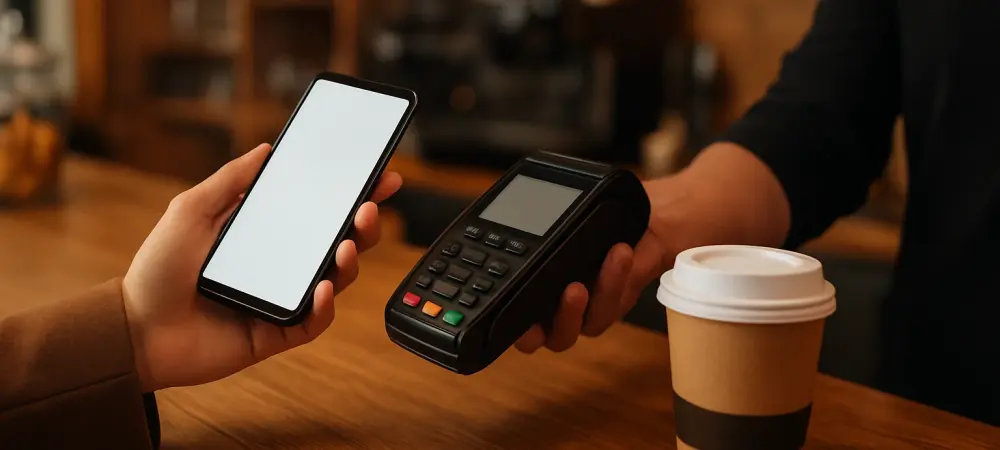
Direct debit options now account for one-quarter of Klarna’s global transaction volume, highlighting a consumer shift toward immediate digital payment transparency. This evolution in payment preferences reflects a broader demand for financial tools that offer both convenience and control, pushing traditional payment processors to modernize their offerings rapidly. The strategic alliance between Klarna and Fiserv marks a major shift in how consumers and businesses handle transactions by blending advanced credit technology with established payment infrastructure. By integrating Klarna’s flexible payment options into Fiserv’s global ecosystem, the two companies are making Buy Now, Pay Later services accessible across thousands of digital and physical storefronts. This collaboration aims to provide a frictionless experience for shoppers while giving merchants the tools they need to stay competitive in a marketplace that no longer distinguishes between a tap at a kiosk and a click on a smartphone screen.
Bridging the Gap Between Online and In-Store Transactions
Strategic Integration: The Role of Commerce Hub
The partnership operates at a high strategic level to ensure that enterprise-scale merchants can benefit from modern financial tools without enduring significant operational downtime. At the heart of this integration is Fiserv’s Commerce Hub, a cloud-native platform that allows high-volume global retailers to add Klarna to their checkout process through a single, modular connection. This system acts as a central command center, letting large companies manage payments, fraud prevention, and data analytics without the need for complex, individual technical overhauls for each new service. Large-scale retailers often face significant hurdles when adopting new payment methods due to the rigid nature of their legacy digital architecture. However, by utilizing direct APIs and hosted checkout tools provided by this collaboration, these organizations can now activate diverse payment methods like “Pay in 4” or deferred billing with minimal friction and maximum security.
Local Business Impact: The Clover Platform Rollout
On a more localized scale, the collaboration has led to a massive and highly effective rollout across the Clover platform, which primarily serves small and mid-sized businesses. Approximately 100,000 merchant locations in the United States now have Klarna automatically enabled on their point-of-sale devices, representing a significant shift in retail accessibility. This “plug-and-play” functionality means that even a small neighborhood boutique can offer the same sophisticated credit options as a multi-billion-dollar global retailer by using standard hardware like the Clover Flex or Station Duo. The transition from a pilot phase to a full-scale rollout has effectively democratized access to short-term credit, moving these financial tools from the digital realm into physical storefronts. Merchants do not need to install additional software development kits; the Klarna option simply appears on the terminal screen once activated by the payment processor.
Enhancing the Merchant and Consumer Experience
Consumer Flexibility: Payment Options and Transparency
For modern shoppers, this partnership provides a variety of ways to pay that extend far beyond the limitations of traditional credit cards or cash. Consumers can choose to pay immediately via direct debit, delay their total payment for 30 days, or split their purchase into several interest-free installments. These options cater to an increasing demand for financial transparency, allowing people to receive their goods before committing their funds or to manage their monthly budgets more effectively without incurring high-interest debt. The shift toward direct debit suggests that many consumers are looking for the convenience of digital payments without the long-term financial burdens associated with revolving credit lines. By providing a suite of choices that range from immediate settlement to structured installments, the ecosystem empowers individuals to tailor their spending to their specific financial situation at any given moment.
Merchant Value: Conversion and Real-Time Decisioning
Merchants stand to benefit significantly from increased conversion rates and enhanced customer loyalty by meeting these new consumer expectations. By offering trusted payment methods, businesses can capture consumer intent right at the moment of purchase, whether the customer is browsing a mobile app or standing at a physical retail kiosk. Furthermore, Klarna handles all credit decisioning in real-time, ensuring that credit is extended responsibly while simultaneously removing the financial risk for the merchant. This model allows the retailer to receive the full purchase price upfront while the payment provider manages the collection process and any associated credit risks. Such a system reduces the overhead associated with managing store credit or dealing with failed transactions at the register. When customers see familiar and flexible payment icons, it builds a sense of trust that directly leads to a measurable reduction in checkout abandonment.
Reshaping the Global Financial Landscape
Industry Trends: The Emergence of Unified Commerce
This collaboration serves as a clear indicator of the global shift toward unified commerce, where the boundaries between online and offline shopping are becoming virtually non-existent. As payment processors like Fiserv evolve into comprehensive service hubs, they are making it easier for businesses to curate the specific financial tools their customers want through a modular approach. This ecosystem allows merchants to toggle on new services as market demands change, ensuring they always have the latest technology at their disposal without undergoing constant hardware upgrades. The integration of Klarna into the Fiserv distribution network effectively bypasses the traditional hurdles of individual merchant acquisition, quickly expanding the reach of flexible credit to millions of active consumers. This orchestration of services means that a single platform can now handle everything from inventory management to complex credit decisioning within a single transaction.
Strategic Evolution: Scaling Sustainable Credit Solutions
The expansion of these payment solutions across global networks suggested that the future of retail resided in radical transparency and accessibility. Financial institutions and retail leaders observed that successful adoption required more than just technical integration; it demanded a fundamental shift in how value was exchanged during the transaction process. The collaboration between Klarna and Fiserv provided a definitive blueprint for how legacy infrastructure and modern fintech could work together to redefine the global shopping experience. Businesses that moved quickly to adopt these unified systems positioned themselves at the forefront of a new economic reality where consumer choice was the primary driver of growth. To maintain this momentum, stakeholders focused on refining real-time data analytics and enhancing the security of decentralized payment methods. Ultimately, the industry learned that providing flexible credit options was not merely a convenience but a core component of commerce.