

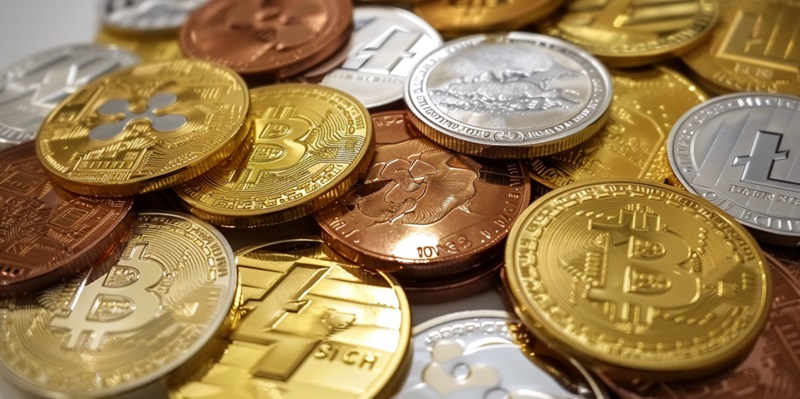
The digital currency landscape is undergoing a profound transformation in 2024, with altcoins taking center stage in redefining financial paradigms. This article delves into the various aspects behind this shift, providing a comprehensive understanding of how these cryptocurrencies are shaping the future of finance.
The Emergence and Evolution of Altcoins
Addressing Bitcoin’s Shortcomings
While Bitcoin brought the promise of a decentralized currency, it ran into issues like sluggish transaction times and scalability concerns. Altcoins leapt onto the scene, championing faster transaction speeds and paving the way for new technological innovations. These alternatives didn’t just fix Bitcoin’s limitations; they introduced fresh features that made them stand out. Touching on aspects such as energy efficiency and quantum resistance, they enticed a new breed of investors looking beyond Bitcoin’s pioneering status.
A Diverse Financial Ecosystem
Concurrently with their ascent, altcoins have unfurled an extensive financial ecosystem. Unlike Bitcoin’s mono-functional design, altcoins have carved out distinct niches. Some, like Zcash and Monero, have heightened privacy measures, while others offer staking rewards, underpinning an entire ecosystem around their underlying technologies. This diversification not only enriches the cryptocurrency landscape but also provides consumers with a broad spectrum of options to choose from, tailored to their specific needs.
Institutional Participation and Technological Progress
Rising Institutional Interest
Since 2024, the increase in institutional investment into various altcoins has escalated their acceptance into the financial mainstream. As these entities diversify their digital asset portfolios, they inject not just capital but also credibility into the altcoin market. This shift indicates a recognition of altcoins’ potential to be more than speculative instruments; they are now acknowledged as legitimate constituents of diversified investment strategies, further stabilizing the cryptocurrency market.
Breakthroughs in Blockchain Technology
Advances in blockchain technology have allowed altcoins to evolve at a startling pace. With improved protocols, enhanced smart contract capabilities, and the advent of layer-two solutions, altcoins are harnessing the full potential of blockchain technology. These technological leaps have lowered the entry barriers, bolstering the user experience and facilitating the integration of blockchain technology into conventional financial systems.
Decentralized Finance (DeFi) and Altcoins
Unleashing Financial Services
DeFi has redefined what we consider as financial services by freeing them from the clutches of centralization. The infrastructure of DeFi is predominantly powered by altcoins, which allow for novel financial transactions without traditional intermediaries. By leveraging the transparency and security of blockchain, altcoins have become the cornerstone of this financial upheaval, enabling a spectrum of financial services unheard of in the conventional finance sector.
Leading DeFi Projects and Tokens
The staggering pace at which DeFi altcoin projects like Aave, Compound, and Uniswap have grown illustrates the potential of altcoins to overhaul traditional finance. Their protocols manage everything from automatic liquidity provision to the creation of entirely new forms of digital assets, illustrating altcoins’ vast potential. This breakthrough in financial services architecture signifies a shift from centralized finance to a system rooted in open-source, permissionless networks.
The Impact of NFTs and the Metaverse
NFTs Catalyzing Mainstream Adoption
NFTs have jolted the mainstream into noticing the practical use of altcoins. As these tokens guarantee the uniqueness of digital assets, they’ve propelled the art and collectibles market into the blockchain sphere. Notably, the altcoin-driven NFT market has attracted artists, collectors, and investors, linking blockchain technology with popular culture and broadening the appeal and acceptance of altcoins as more than just cryptocurrencies.
Altcoins and the Metaverse Economy
Similarly, as virtual realities such as Decentraland and The Sandbox blossom, altcoins are becoming indispensable. They serve as the fuel to these emergent virtual economies, where they facilitate the trading of assets like digital real estate and virtual goods. The metaverse, empowered by altcoins, is rapidly morphing into a bustling digital economy paralleling the physical one, providing alternative methods for virtual interaction and financial engagement.
Ethereum 2.0 and Altcoin Innovation
The Foundation of the Altcoin Ecosystem
The transition to Ethereum 2.0 marks a pivotal moment for the altcoin domain. As the cradle for a plethora of dApps, Ethereum’s evolution into a Proof-of-Stake consensus mechanism mirrors the general shift towards efficiency and scalability across the altcoin landscape. This upgrade is projected to catalyze innovation, spurring an array of altcoins to harness Ethereum’s new capabilities, leading to diverse applications across industries.
The Future with Advanced Blockchain Platforms
In the frontier of technological advancement, platforms such as Solana, Cardano, and Terra showcase the dynamic progression of blockchain infrastructure. These systems have highlighted their prowess in handling high throughput with minimal fees, thereby redefining the potential of altcoins. They provide fertile ground for the incubation of future-focused altcoin projects that could spell transformative changes within the realms of decentralized applications and beyond.
The Challenges and Opportunities for Altcoin Investors
Navigating Market Volatility
While altcoins offer lucrative profit margins, they are also subject to dramatic market swings. Investors entering this market should anchor their strategies in sound research and robust risk management principles. Understanding the volatile nature of altcoins is paramount to maneuvering through their capricious price movements, enabling investors to make judicious choices that align with their financial goals and risk tolerance.
Embracing Altcoin Potential with Prudence
In 2024, the digital currency scene is evolving significantly, with altcoins emerging as pivotal players in the financial revolution. These alternative cryptocurrencies are more than just Bitcoin contenders; they embody new financial ideologies and innovations that challenge traditional systems. This evolution in the crypto space is not just a trend, but a serious reevaluation of what currency means in the digital age.