

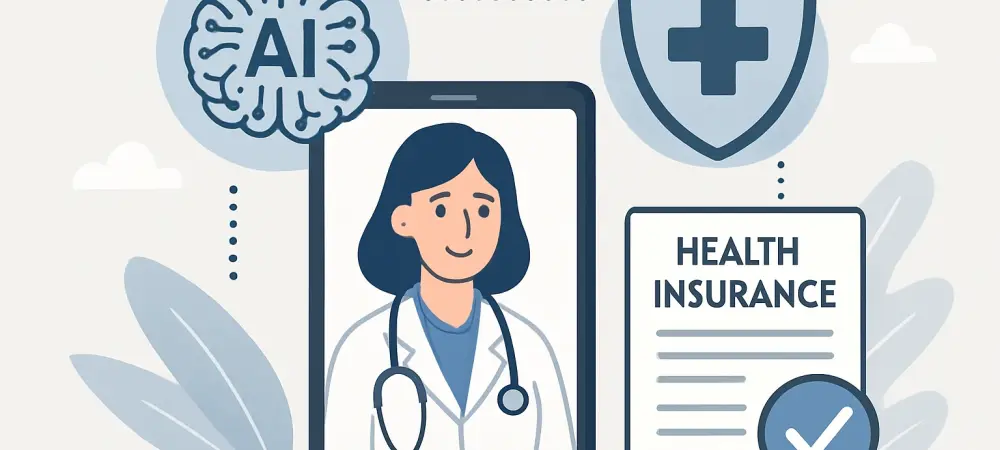
What happens when cutting-edge technology meets one of the most complex industries in the world? Picture a scenario where a single app on a smartphone not only connects a patient to a doctor in seconds but also predicts health risks before they become emergencies, all while tailoring an insurance plan to fit individual needs. This is no longer a distant vision but a tangible reality unfolding in the health insurance sector. The fusion of artificial intelligence (AI) and telemedicine is revolutionizing how care is accessed and how policies are crafted, promising a seismic shift in an industry often criticized for inefficiencies and inaccessibility.
This transformation is not just a tech trend; it’s a critical response to skyrocketing healthcare costs and persistent barriers to care. With annual healthcare spending in the U.S. exceeding $4 trillion, the stakes couldn’t be higher for insurers and policyholders alike. AI and telemedicine offer solutions that cut expenses, enhance access, and personalize services, addressing systemic challenges head-on. This story matters because it impacts everyone—from those struggling with claims to companies battling fraud—ushering in an era of smarter, more equitable health solutions.
Why AI and Telemedicine Matter in Health Insurance Today
The health insurance landscape has long grappled with inefficiencies that frustrate both providers and consumers. Rising premiums, delayed claims, and limited access to specialists have created a pressing need for innovation. As technology advances at a breakneck pace, AI and telemedicine have emerged as powerful tools to tackle these issues, offering a lifeline to an industry under strain. Their integration is not merely convenient; it’s a necessary evolution to meet modern demands for speed and customization.
Current data paints a stark picture of the urgency. Fraud alone costs insurers billions each year, with estimates suggesting losses of up to $68 billion annually in the U.S. Meanwhile, rural communities often lack access to essential care, exacerbating health disparities. AI’s ability to detect fraudulent patterns and telemedicine’s reach into remote areas are directly addressing these pain points, making this technological shift a topic of immediate relevance.
This momentum is fueled by a societal push for digital solutions. Consumers now expect healthcare to be as seamless as online shopping, with instant access and personalized options. Insurers, in turn, recognize that adopting these technologies isn’t optional but vital for staying competitive. The conversation around AI and telemedicine in health insurance is happening now because the industry can no longer afford to lag behind consumer expectations or financial realities.
The Challenges Driving a Healthcare Revolution
Healthcare costs continue to spiral out of control, placing immense pressure on both insurers and individuals. Beyond the staggering $4 trillion spent annually in the U.S., inefficiencies like manual claims processing and outdated risk models inflate expenses further. These systemic issues create a ripple effect, leading to higher premiums and reduced trust in the system, affecting millions who rely on insurance for security.
Access remains another critical hurdle. Many, especially in underserved regions, face long waits or must travel great distances for specialized care, often delaying treatment until conditions worsen. This gap not only impacts health outcomes but also burdens insurers with higher claims for preventable emergencies. The frustration is palpable among policyholders who feel trapped by geographic and bureaucratic barriers.
AI and telemedicine step into this fray as disruptors with the potential to redefine the status quo. By automating processes and bridging distances, they target the root causes of cost and access challenges. Their role is pivotal in transforming health insurance from a reactive safety net into a proactive partner in wellness, aligning with a growing demand for efficiency and fairness in care delivery.
How AI and Telemedicine Are Redefining Insurance Models
The impact of AI and telemedicine on health insurance unfolds through multiple, interconnected innovations that address core industry flaws. AI personalizes risk assessment by analyzing data from wearables and health records, allowing insurers to offer premiums based on individual lifestyles rather than generic demographics. For instance, consistent exercise tracked via a fitness device could directly lower a policyholder’s rates, making coverage feel fairer.
On the operational side, AI automation is slashing inefficiencies. Claims processing, once bogged down by human error, is now faster and more accurate, while algorithms spot fraudulent activities that drain resources. Telemedicine, meanwhile, expands access by connecting patients to doctors via virtual platforms, with usage in remote areas rising significantly—studies show a 38% uptick among rural populations over recent years. These tools collectively shift the focus toward prevention, using predictive analytics to intervene early and virtual visits to reduce the need for costly in-person care.
This dual approach also drives down expenses for all parties. Virtual consultations often cost less than traditional visits, easing financial strain on policyholders, while AI’s foresight helps insurers avoid massive payouts for untreated conditions. Together, these technologies are crafting a new blueprint for insurance—one that prioritizes tailored solutions and accessibility over outdated, one-size-fits-all models, fundamentally altering how coverage is designed and delivered.
Real Stories, Real Impact from the Frontlines
The human side of this technological wave is where its true value shines. Dr. Sarah Thompson, a healthcare technology expert, emphasizes the profound potential of AI, stating, “Predicting health risks with AI isn’t just about saving money; it’s about saving lives by acting before crises hit.” Her perspective underscores how data-driven insights are empowering insurers to prioritize prevention over reaction, a game-changer for patient outcomes.
Telemedicine’s reach tells equally compelling stories. Consider a patient in a remote Midwest town who, through video calls, accessed mental health therapy that was previously unimaginable due to distance. Such cases are no longer outliers; they reflect a broader shift, with research from the American Medical Association indicating a 20% drop in emergency visits for chronic condition patients using telemedicine in recent data. These real-world examples highlight how technology bridges gaps, turning abstract innovations into tangible benefits.
Beyond anecdotes, the ripple effects are measurable in communities once left behind. Virtual care platforms are becoming lifelines for those with chronic illnesses, ensuring consistent monitoring without the burden of travel. Insurers, seeing reduced claims from early interventions, are increasingly embedding these services into plans. The voices from the field—both expert and personal—paint a vivid picture of an industry not just adapting but thriving through tech-driven compassion.
Practical Strategies for Embracing the Tech Shift
Navigating this new era requires actionable steps for both insurers and policyholders to maximize the benefits of AI and telemedicine. Insurers should prioritize integrating AI tools for automating claims and detecting fraud, beginning with small-scale pilots to refine systems before full deployment. Partnering with telemedicine providers to offer virtual care as a standard benefit, perhaps with reduced copays, can also encourage adoption and improve customer satisfaction.
Policyholders, on the other hand, can actively seek plans that include telemedicine options, ensuring coverage for virtual visits is clear to avoid unexpected costs. Engaging with wearable tech linked to insurer apps offers another avenue—sharing health data like activity levels could lead to discounted premiums. Staying informed about how personal information is used remains essential to maintain trust in these digital interactions.
Collaboration is the linchpin for success. Insurers might develop AI-powered wellness initiatives, while policyholders commit to regular virtual check-ups for early detection of issues. Open dialogue about tech integration and data privacy will foster confidence on both sides. These practical measures provide a clear path to harness innovation, ensuring that technology serves real needs rather than becoming a mere buzzword in health insurance.
Reflecting on a Transformative Journey
Looking back, the journey of AI and telemedicine in reshaping health insurance stands as a testament to technology’s power to solve entrenched problems. Their ability to personalize coverage, streamline operations, and expand access marked a turning point for an industry once mired in inefficiency. Each step—from predictive analytics to virtual consultations—built a foundation for a more responsive and humane system.
As this evolution unfolded, the next steps became clear. Insurers needed to deepen investments in scalable tech solutions, ensuring they reached even the most marginalized communities. Policyholders, meanwhile, had to advocate for transparency in how data shaped their plans, balancing innovation with privacy. The path forward demanded a shared commitment to refine these tools, focusing on equitable access and continuous improvement.
Beyond immediate actions, a broader vision emerged. Exploring how AI could further predict population health trends or how telemedicine might integrate with emerging therapies offered exciting possibilities. This transformation wasn’t just a chapter in health insurance history; it laid the groundwork for a future where technology and care intertwined seamlessly, promising better health for all who embraced the change.