

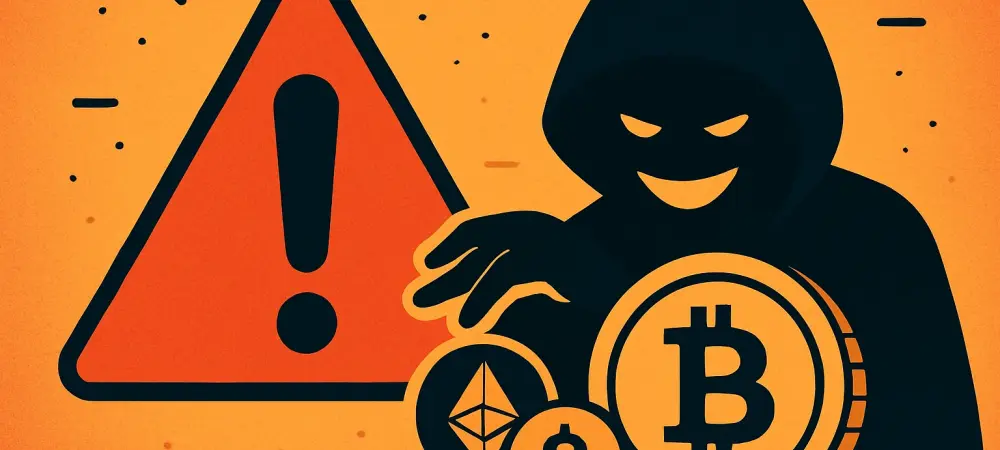
What happens when a seemingly innocent chat on social media spirals into a financial nightmare? Picture this: a friendly stranger strikes up a conversation online, casually mentioning a “life-changing” crypto opportunity, and before long, hard-earned savings vanish into thin air. This isn’t a far-fetched horror story—it’s the grim reality for countless victims of the GROK70K scam, a cryptocurrency fraud that has shattered lives with ruthless precision. This feature delves into the dark underbelly of digital investments, uncovering how trust was weaponized to strip investors of everything.
Why This Matters Now
The GROK70K scam isn’t just another cautionary tale; it’s a glaring warning about the dangers lurking in the unregulated cryptocurrency market. With digital currencies gaining mainstream traction, more individuals than ever are dipping their toes into this volatile space, often unaware of the predators waiting to pounce. Reports estimate that scams like these have cost victims billions globally in recent years, with losses mounting as fraudsters grow savvier. This story exposes the mechanics of such deception and underscores an urgent need for awareness in a landscape where a single click can lead to ruin.
The Digital Trap: How GROK70K Snares Its Prey
The GROK70K scam begins with a seemingly harmless interaction on platforms like Facebook or Instagram. Fraudsters craft two distinct personas to reel in targets: the “Fortuitous Acquaintance,” posing as a relatable stranger who “accidentally” connects, and the “Investment Authority,” projecting expertise through polished profiles flaunting wealth and success. These meticulously designed facades exploit human curiosity and the desire for connection, laying the groundwork for deeper manipulation.
Once initial trust is established, the scammers pivot conversations to private channels like WhatsApp or Telegram. This shift isolates victims from public scrutiny, creating an illusion of exclusivity and personal mentorship. Emotional bonds are forged through constant messaging, often laced with flattery or promises of shared prosperity, making the target more susceptible to the next phase of the con.
The final bait is a slick, fake trading platform that mimics legitimate crypto exchanges. Victims are shown fabricated returns, with early “profits” displayed to build confidence. In some cases, small withdrawals are even permitted to solidify trust, encouraging larger investments—often life savings or borrowed funds. By the time the trap snaps shut, with withdrawals denied through endless excuses like fees or delays, it’s too late to escape the financial devastation.
Voices of Ruin: Victims and Experts Speak Out
For those caught in the GROK70K web, the aftermath is nothing short of catastrophic. One victim, who wished to remain anonymous, shared a heartbreaking account: “They made me believe I was building a future. I invested everything—$50,000 from my retirement fund—only to be told I needed to pay more ‘taxes’ to withdraw. Then they just disappeared.” Such stories highlight the personal toll, as families are left grappling with loss and shattered dreams.
Financial security experts have long sounded the alarm on schemes like these. “Unsolicited offers promising high returns with low risk are almost always scams,” warns a prominent advisor from a leading cybersecurity firm. Industry data backs this up, revealing that so-called “pig butchering” scams, where victims are groomed over time, have affected tens of thousands worldwide, with losses in the hundreds of millions. The scale of the problem demands attention from anyone navigating the crypto space.
Behind the Curtain: The Wild West of Crypto Fraud
The cryptocurrency market, often compared to a digital Wild West, provides fertile ground for scams like GROK70K to flourish. With minimal regulation and a veil of anonymity offered by blockchain technology, fraudsters operate with near impunity. The allure of quick wealth draws in novices who may not fully grasp the risks, making them easy targets for sophisticated schemes that exploit both technology and human psychology.
This environment has seen a sharp rise in online fraud, fueled by social media’s reach and the privacy of encrypted apps. Scammers leverage these tools to evade detection, often disappearing without a trace once the damage is done. As more people invest in digital currencies, the absence of clear guidelines or protections leaves a dangerous gap that criminals are quick to exploit, amplifying the need for systemic change.
Arming Yourself Against Deception
Protecting against scams like GROK70K requires vigilance and a proactive approach. Start by thoroughly researching any investment opportunity—verify the platform’s legitimacy and check for regulatory credentials through trusted sources. Be skeptical of unsolicited offers, especially those promising unrealistic returns, and never share personal or financial details on unverified channels.
Another critical step is to resist pressure to move conversations to private apps. This tactic often signals an intent to isolate and manipulate. Additionally, always consult a trusted financial advisor before committing funds to unfamiliar ventures. Keeping a checklist of red flags, such as guarantees of profit or urgent demands for money, can serve as a practical shield against falling prey to such frauds.
Looking back, the GROK70K scam left a trail of devastation, with victims stripped of their savings and trust in digital investments shattered. Families faced financial ruin, forced to rebuild from nothing after believing in false promises. The emotional scars lingered as much as the monetary losses, a reminder of how deeply personal these crimes cut. Yet, from this wreckage emerges a vital lesson: education and caution are the strongest defenses. Moving forward, individuals must prioritize verifying opportunities, seeking expert guidance, and advocating for stricter regulations in the crypto space to prevent such tragedies from recurring.