

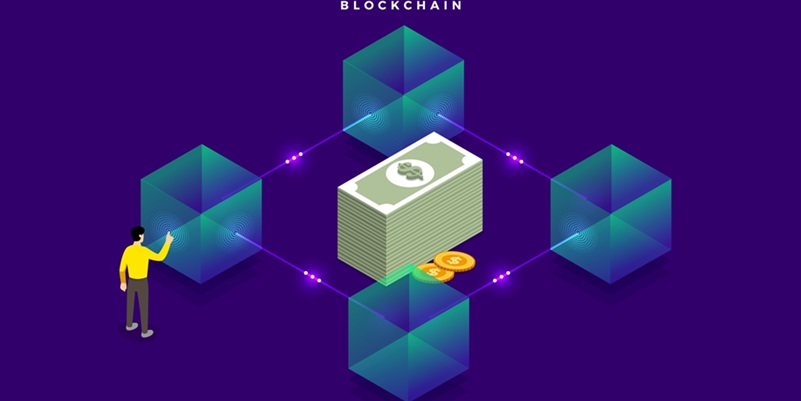
The payment ecosystem in Africa has slowly evolved from a cash-based system to incorporate the digital payments we see today. However, despite this progress, the majority of transactions occurring on the continent are still cash-based. In order to overcome the limitations of the traditional payment infrastructure, Zone, a groundbreaking fintech company, has established Africa’s first regulated Layer-1 blockchain network for payments.
Current state: Cash-based transactions prevail
Africa, being a diverse and vast continent, has faced challenges in transitioning from cash-based systems to digital payments. A significant number of individuals and businesses continue to rely on physical currency due to a lack of access to banking services and trust in technology-based solutions. This has hindered economic growth and financial inclusion. However, there is a growing recognition that the adoption of digital payment methods can drive economic development and empower the unbanked population.
Traditional payment infrastructure: centralized and limiting
The traditional payment infrastructure used by many African countries relies on centralized technology infrastructure. While this system functions adequately for basic transactions, it faces limitations when it comes to guaranteeing payment finality. Additionally, intermediaries are often employed to ensure payment integrity, which increases transaction time and cost. These factors have created a demand for an innovative and efficient solution that can address these challenges.
Blockchain’s potential solution: ensuring payment finality and record immutability
Enter blockchain technology. The immutability and non-repudiation of records on the blockchain can solve the problem of payment finality that most centralized systems suffer from. Each transaction recorded on the blockchain is permanent and cannot be altered, providing a transparent and trustworthy payment infrastructure. This eliminates the need for intermediaries and streamlines the payment process, resulting in faster and more cost-effective transactions.
Disadvantages of Intermediaries: Time and Cost Implications
Utilizing intermediaries to achieve payment integrity increases transaction time and cost. These intermediaries often act as trusted third parties that verify and authorize transactions. However, their involvement adds complexity and slows down the payment process. By eliminating intermediaries, blockchain technology simplifies the payment process and reduces associated time and cost implications.
Zone’s Innovation: Africa’s First Regulated Layer-1 Blockchain Network
Zone has emerged as a trailblazer in the fintech space by establishing Africa’s first regulated Layer-1 blockchain network for payments. This innovative infrastructure leverages the power of blockchain technology to enable instant and secure payments across the continent. With decentralized nodes verifying transactions, Zone ensures transparency and trust, while eliminating the need for intermediaries.
Zones’s Claims: Overcoming Key Challenges in African Financial Services
Zone claims that its blockchain-powered payment infrastructure will address some of the biggest issues facing financial service providers in Africa. The technology enhances scalability, enabling seamless and secure transactions even during peak periods. Moreover, it significantly reduces the cost of facilitating payments, making financial services more accessible and affordable for businesses and individuals across the continent.
Advantages of Blockchain Technology: Scalability and Cost Reduction
Blockchain technology helps enhance scalability and reduce the cost of facilitating transactions. Traditional payment systems often struggle to handle large volumes of transactions concurrently, resulting in delays and inefficiencies. Zone’s blockchain network, on the other hand, provides the capability to process numerous transactions simultaneously, enabling faster and more efficient payments. Furthermore, the absence of intermediaries reduces overhead costs, making Zone a cost-effective alternative for both consumers and businesses.
Zones’s Goals: Enabling Local and Regional Payments Across Africa
Zone seeks to enable local and regional payments across Africa in both fiat and digital currencies at a low cost. By leveraging blockchain technology, Zone aims to bridge the gap between cash-based and digital payment systems, promoting financial inclusion and economic growth. Its innovative infrastructure provides a secure and efficient platform for individuals, merchants, and service providers to transact seamlessly, eliminating the barriers posed by traditional payment systems.
Central Hub Elimination: The Cost-Effectiveness of Zone
One of Zone’s core advantages lies in the absence of intermediaries, which makes it a cost-effective alternative for payment processing. Traditional payment systems often rely on central hubs to manage and coordinate transactions. These hubs introduce additional costs and complexities, which are eliminated by Zone’s decentralized approach. By removing intermediaries and central hubs, Zone streamlines the payment process, reduces costs, and promotes financial accessibility and inclusivity.
The evolution of payment systems in Africa has been a slow but essential journey from cash-based transactions to digital payments. Zone’s innovative blockchain-powered payment infrastructure holds great promise in revolutionizing financial services in Africa. By addressing the limitations of traditional payment systems, Zone provides a scalable, secure, and cost-effective solution that enables local and regional payments across the continent. With its regulated Layer-1 blockchain network, Zone aims to empower individuals and businesses and drive economic growth and financial inclusivity in Africa.