

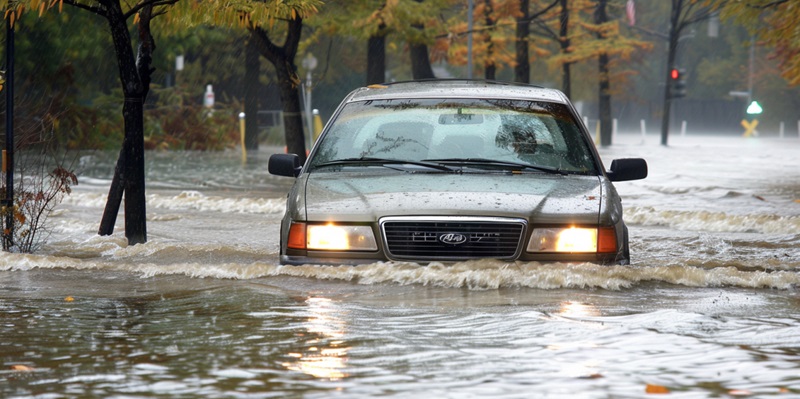
In a revolutionary move for the auto dealership industry, FloodFlash has unveiled its Dealer Open Lot program, offering a lifeline against the devastating effects of flooding, just in time for the hurricane season. Auto dealers have long wrestled with the limitations of traditional flood coverage options, often finding themselves without adequate protection in the event of a disaster. With the launch of this program, FloodFlash is transforming how auto dealers prepare for and navigate the catastrophic aftermath of floods, tailoring a solution that promises rapid response and clear-cut settlements using advanced technology.
Paramount Need for Dealer-Centric Flood Coverage
The reality for auto dealers in flood-prone regions is sobering, with many facing insurmountable costs and operational disruptions after a flooding event. The need for specialized flood insurance solutions has never been more critical, as these businesses find their very survival threatened by increasingly frequent and severe natural disasters. Traditional insurance policies can fall short, leaving auto dealers stranded amidst the wreckage, struggling to recover from the financial toll that insufficient coverage brings. FloodFlash’s targeted Dealer Open Lot program emerges as a beacon of hope for these businesses, offering a beacon of security in an uncertain climate landscape.
Auto dealerships sit on vast, exposed lots filled with valuable inventory; a direct hit from a flood can mean a crippling blow to their financial health. The Dealer Open Lot program by FloodFlash acknowledges the unique challenges that car dealers face, providing a fortified shield of protection against floods with coverage designed to address their distinct needs. Without such a program, the repercussions of flooding can extend beyond immediate asset loss, affecting long-term business viability and underscoring the necessity for a comprehensive, dealer-specific insurance solution.
FloodFlash’s Parametric Insurance Approach
Among the standout aspects of FloodFlash’s insurance model is the use of cutting-edge, smart sensors that actively monitor water levels on the dealer’s property. This technology lays the groundwork for a parametric insurance approach that does away with the usual protracted claims process. As soon as the water reaches a predefined level, the policy triggers a payout, ensuring that dealers have immediate access to the funds needed for recovery. This swift, transparent resolution offers not just compensation but also peace of mind, protecting the livelihoods of those in the dealership industry against the unpredictable nature of floods.
Utilizing FloodFlash’s parametric model, auto dealers are now equipped with a proactive and transparent mechanism for managing their flood risk. The sensors act as impartial arbiters, guaranteeing that payouts reflect actual flood levels rather than subjective assessments. This advance in insurance technology demystifies the claim process and eliminates the traditional friction points that can delay recovery. For auto dealers, this means a faster turnaround from flood damage to full-scale operation, which is vital to maintaining business continuity in the wake of natural catastrophes.
The Dealer Open Lot Program Mechanics
Breaking down the mechanics of the Dealer Open Lot program, we find a plethora of benefits tailored to the specific exigencies faced by auto dealers. These business owners will find themselves underpinned by a policy that covers a comprehensive range of flood-related damages, from the cars on the lot to the potential costs associated with relocation and halting business operations. The integration of smart sensors into this insurance solution means claims are not only processed swiftly but are also rooted in precise loss assessments, effectively curbing the uncertainties that come with standard policies.
With FloodFlash’s Dealer Open Lot program, the once cumbersome process of navigating flood insurance claims becomes a streamlined affair. The instant a sensor detects that floodwaters have reached the critical levels set by the policy, auto dealers receive automatic payouts. There’s no need for lengthy damage assessments or claims adjusters – a boon for businesses that can’t afford to lose precious time when disaster strikes. By providing this level of direct coverage, the program addresses the dire need for an efficient response to the fiscal challenges presented by flooding events.
Financial Incentives and Risk Mitigation
Central to the program’s intent is not only the provision of rapid response funds but also the encouragement of robust risk management practices. FloodFlash has taken an innovative approach by offering lower premiums to those dealers that invest in flood defenses and mitigation strategies. This incentive structure promotes a proactive stance on disaster preparedness, emphasizing the importance of reducing exposure to flood risks. Furthermore, as auto dealers take measures to fortify their premises, they benefit financially, which illustrates FloodFlash’s commitment to fostering resilient business communities.
FloodFlash’s paradigm paves the way for a virtuous cycle where dealers are compelled to incorporate flood protection measures, which in turn qualify them for reduced insurance costs. This symbiotic relationship between insurer and insured serves as a template for a modern and responsible approach to risk management. The potential long-term savings on premiums not only make risk reduction more appealing but also align perfectly with a broader strategy that seeks to limit the overall economic impact of natural disasters on businesses.
InsurTech and FinTech Innovations
The innovations brought forth by FloodFlash are part of a larger narrative within the InsurTech domain, which seeks to address the demand for more tailored and responsive insurance services. This narrative finds company with other groundbreaking FinTech breakthroughs such as Vanguard’s maritime insurance platform and ICEYE’s flood management tools. These developments reflect the FinTech industry’s commitment to harnessing technology in ways that revolutionize traditional systems, offering more granularity and adaptability to meet the evolving challenges of our times.
As part of the growing trend of incorporating data analysis and satellite technology into risk assessment, these innovations signify a transformation in insurance underwriting. FloodFlash’s quick-acting insurance solution is a prime example of how InsurTech is reshaping the industry, catering to specific needs with precision and agility. This wave of technology-driven insurance offerings is indicative of a sea change in protecting businesses from the unpredictability of natural disasters and other risks.
Regulatory Impacts and Strategic Collaborations
The shifting landscape of financial technology is significant not just for the innovative solutions it produces but also for the regulatory environment in which it operates. Recent EU regulations concerning Russian fund transfers signal an increasingly complex financial governance scenario that has implications for the FinTech sector at large. These developments underscore the importance of compliance and transparency as InsurTech offerings continue to evolve.
Strategic collaborations mirror this interconnectivity within the financial sector, exemplified by Tietoevry Banking’s partnership with Geldmaat to enhance ATM services in the Netherlands. These joint ventures play a critical role in advancing the infrastructure and capabilities necessary for the performance and expansion of financial services, ensuring that both industry players and consumers benefit from efficient and secure processing of transactions.
The Future of Flood Insurance for Businesses
In an industry-defining move, FloodFlash has launched its Dealer Open Lot program, introducing a groundbreaking flood coverage solution for auto dealerships right as hurricane season approaches. This innovative program is set to provide dealerships with much-needed reprieve from the crippling effects of floods, an issue exacerbated by the inadequacies of traditional insurance coverage during natural disasters.
FloodFlash’s new program is poised to change the game by delivering swift and transparent claims settlements through cutting-edge technology. By tailoring coverage to specifically address the unique risks faced by auto dealers, FloodFlash is offering a ray of hope to businesses that have historically been left vulnerable to the whims of the weather. This new program is not just about insuring assets; it’s about enabling auto dealers to weather the storm of potential disasters with confidence and security.