

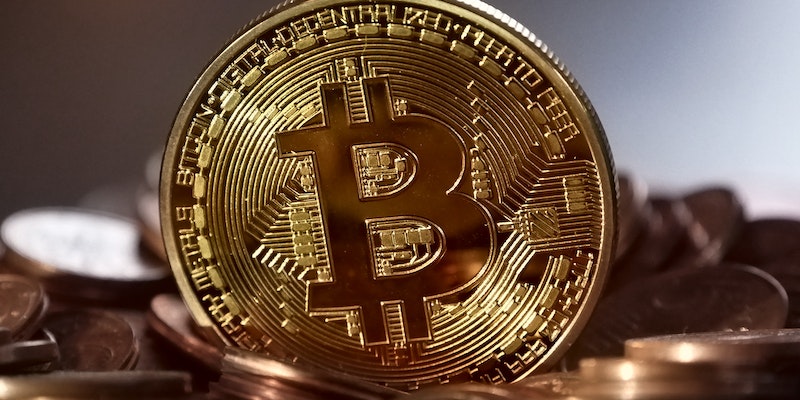
Non-fungible tokens (NFTs) have gained popularity in the digital realm as a new way to establish ownership of digital assets, such as artwork, music albums, and even tweets. These tokens have also found their way into the world of cryptocurrencies. Ethereum, the second-largest cryptocurrency by market capitalization, is the leading platform for NFT issuance and trading. However, Bitcoin also has its own NFT ecosystem that is rapidly evolving, and many crypto investors are bullish about its potential.
Increase in Trading Volume for Bitcoin-Based NFTs and Meme Coins in May
The monthly trading volume of non-fungible tokens and meme coins hosted on Bitcoin has grown significantly, surpassing the NFT trading sales volume in Solana, according to recent market data. This surge in trading volume is a testament to the growing popularity of these tokens in the crypto community.
Surge in Trading Sales Volume for Bitcoin-Based NFTs
During May, the trading sales volume of Bitcoin-based NFTs surged more than 400%, indicating that investors are showing a growing interest in these tokens. Developers have been actively working on new NFT projects on the Bitcoin network, and many of them have seen significant success in terms of sales volume and investor interest.
Bitcoin NFTs rank second to Ethereum in sales volume
Despite the recent growth in trading sales volume, Bitcoin NFTs are still playing catch-up to Ethereum’s dominance in the NFT space. Ethereum has recorded NFT sales volume of $391 million, which is significantly higher than Bitcoin’s NFT sales volume. Nonetheless, the recent surge in Bitcoin-based NFTs is an encouraging sign for investors and developers who are bullish about the growth potential of this ecosystem.
Bitcoin NFTs are gaining mainstream adoption among the crypto community
Bitcoin NFTs came into the spotlight earlier this year after a Bitcoin developer inscribed NFTs using Satoshi’s Ordinal theory, which helped generate interest and hype around this new ecosystem. Since then, Bitcoin NFTs have attracted mainstream adoption among the crypto community, with more than 1 million now inscribed. Investors are actively seeking these tokens, and many of them are seeing significant returns as the market continues to develop and mature.
Rapid Evolution of Bitcoin NFT Ecosystem Following in Ethereum’s Footsteps
The Bitcoin NFT ecosystem is rapidly evolving, following in Ethereum’s footsteps. The Ethereum NFT ecosystem has already achieved several milestones in its development, and the Bitcoin NFT ecosystem is closely mirroring these developments. Bitcoin developers are creating new standards for NFT creation and trading, and investors are taking notice of the growing potential of this ecosystem.
BRC-20 gains mainstream adoption, surpassing $1 billion mark
The BRC-20 standard is the primary platform for creating and exchanging NFTs on the Bitcoin network. It has quickly gained mainstream adoption among crypto investors and has already surpassed the $1 billion mark in sales volume as of the first half of May. This is another encouraging sign for investors who are bullish about the potential of Bitcoin-based NFTs.
Bullish investors believe that Bitcoin NFTs may outperform Ethereum NFTs
Many investors are bullish about Bitcoin-based NFTs and believe that they might outperform Ethereum NFTs in the future. These investors cite Bitcoin’s larger user base and greater mainstream adoption as factors that could give it an edge in the NFT market. Additionally, the rising popularity of meme coins on the Bitcoin network is generating significant interest among investors and developers.
Similar Purchase Process for Bitcoin NFTs and Ethereum NFTs
The purchase process for Bitcoin NFTs is similar to that of Ethereum NFTs. Investors can purchase these tokens through a variety of exchanges and trading platforms. Some popular platforms include OpenSea, Rarible, and Mintable. Investors can also participate in NFT auctions, which are become increasingly popular in the crypto community.
The Launchpad Analytic Platform helps discover successful NFTs
Launchpad is a new analytics platform that helps users discover the most successful non-fungible token projects, such as Bored Ape Yacht Club, Mutant Ape Yacht Club, or CryptoPunk. It provides investors with valuable data on sales volume, historical performance, and risk metrics, enabling them to make informed investment decisions.
Bitcoin-based NFTs are rapidly gaining popularity in the crypto community, and investors and developers are bullish about their growth potential. While Ethereum still dominates the NFT market, Bitcoin is catching up quickly, and many believe it could eventually outperform Ethereum in this space. The development of new standards, the rising popularity of meme coins, and the growing mainstream adoption of Bitcoin are all factors that are fueling this growth. Investors who are looking to invest in NFTs should keep a close eye on the Bitcoin ecosystem and consider investing in these tokens as a way to diversify their holdings.