

Today, we are witnessing unprecedented volatility in the global money markets. Factors such as inflation, interest rates, and economic uncertainties are impacting the value of traditional currencies more than ever before. In this tumultuous landscape, a revolutionary technology called blockchain holds the potential to transform the way we engage in finance. This article will delve into the intricacies of blockchain, its impact on average individuals, the adoption of digital currencies, the importance of smart contracts, the tokenization of assets, the potential for financial democratization, and the opportunities it creates for direct engagement in the global economy.
Explaining Blockchain
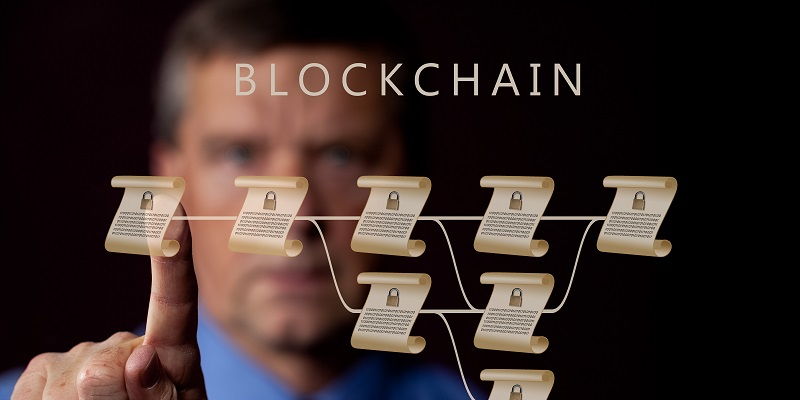
At its core, blockchain is a sophisticated form of digital bookkeeping. It is a decentralized and transparent ledger that records transactions across multiple computers in a network. Unlike traditional bookkeeping methods, blockchain ensures immutability, security, and trust through cryptographic algorithms. By eliminating the need for intermediaries, blockchain allows for peer-to-peer transactions, reducing costs, and enhancing efficiency.
Emergence of Cryptocurrencies
Bitcoin, the first and most well-known cryptocurrency, served as the proof-of-concept for blockchain technology. With the creation of Bitcoin, a new form of trade called “cryptocurrencies” was born. These digital currencies are not governed by any central authority, making them immune to political and economic influences. Cryptocurrencies enable borderless transactions and offer potential alternatives to traditional financial systems.
Impact on Average Individuals
The rise of cryptocurrencies has implications for the average person. Cryptocurrencies provide individuals with greater control over their own funds and offer an alternative store of value, especially in times of economic instability. With traditional currencies subject to inflation and other external factors, cryptocurrencies offer a more stable means of exchange. Additionally, blockchain technology allows for faster and more secure cross-border transactions, reducing the costs associated with remittances and international transfers.
Adoption of Digital Currencies
Recognizing the potential of digital currencies, 11 countries have already launched or initiated pilot programs for their own digital currencies. These forward-thinking nations aim to harness the benefits of blockchain technology, such as increased financial inclusion and improved economic efficiency. By adopting digital currencies, they are paving the way for a future where traditional cash may become obsolete.
Revolutionary Potential of Smart Contracts
While smart contracts are often mentioned in passing when discussing blockchain, they are an integral and revolutionary aspect of this technology. Smart contracts are self-executing agreements that automatically trigger predefined actions when specific conditions are met. These contracts can streamline various processes across industries including finance, supply chain management, and real estate. By removing the need for intermediaries, smart contracts enhance efficiency, reduce costs, and increase transparency.
Tokenization of Assets
One fascinating application of blockchain technology is the ability to tokenize assets. Traditionally illiquid assets, such as real estate, can be represented as non-fungible tokens (NFTs) on the blockchain. This means that individuals can effectively turn their homes into digital assets, increasing liquidity and accessibility. By tokenizing assets, individuals gain the ability to trade, fractionalize, and unlock the value of their property.
Utilizing Smart Contracts for Renting
Imagine transforming your home into an NFT and setting up a smart contract with a prospective renter. The smart contract stipulates that the renter will temporarily own the NFT, representing your property, as long as they meet specific conditions. This eliminates the need for traditional rental agreements, enhances the security of property ownership, and ensures automatic payment and maintenance obligations.
Democratizing Finance
One of the most promising aspects of blockchain technology is its potential to bring finance to the masses. Traditional financial systems often exclude a significant portion of the global population, especially those in developing countries or without access to banking services. Blockchain’s borderless nature provides individuals with opportunities to directly engage in the financial world, bypassing intermediaries and accessing services such as loans, investments, and remittances.
Connecting Individuals to the Global Economy
By removing barriers and intermediaries, blockchain enables direct engagement in the global economy. Individuals can participate in cross-border trade, access global investment opportunities, and transfer funds seamlessly. With blockchain, financial transactions are faster, cheaper, and more secure, empowering individuals worldwide to be active participants in the global financial landscape.
Blockchain technology holds immense potential to revolutionize finance and empower individuals. Its transparent, decentralized, and secure nature makes it a game-changer in an increasingly interconnected world. From cryptocurrencies to smart contracts and tokenized assets, blockchain provides innovative solutions to age-old problems. As more countries embrace digital currencies and explore the possibilities of blockchain, financial systems will become more inclusive, efficient, and accessible. The future of finance is being shaped by this transformative technology, where individuals have greater control over their financial lives and enjoy opportunities previously inaccessible. We are privileged to witness this remarkable era of change and opportunity.