

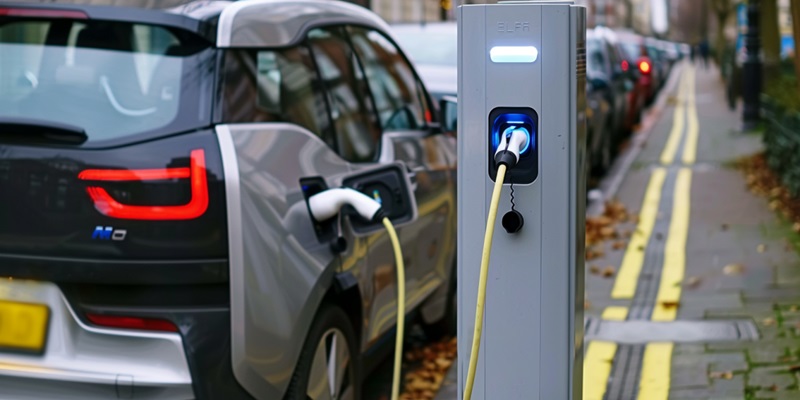
The electric vehicle (EV) charging industry is on the cusp of a significant breakthrough, thanks to a strategic partnership between EV Connect, a leading EV charging business platform, and BlueSnap, a global payment orchestrator. This collaboration aims to streamline the global expansion of EV charging networks and introduce advanced payment solutions designed to accommodate the anticipated surge in EV charging sessions. With projections indicating up to 1.5 billion EV charging sessions by 2026, this alliance between EV Connect and BlueSnap is poised to fundamentally transform the EV charging landscape. By addressing both operational and financial barriers, the partnership stands as a pivotal development, expected to drive growth, innovation, and greater accessibility in the EV charging sector.
Advanced Payment Processing for EV Charging
The core of the partnership lies in the introduction of advanced payment solutions that cater to the specific needs of charge point operators (CPOs) and charging network operators. By integrating BlueSnap’s sophisticated payment processing technology with EV Connect’s platform, operators can access premium services such as transaction underwriting and personalized support. These features are intended to streamline operations and enhance user experience, critical factors in the growth and adoption of EV charging networks. The emphasis on providing personalized white-glove support and dedicated account management sets this partnership apart. Such tailored services ensure that operators, regardless of size, can navigate the complexities of payment processing with ease.
This combination of advanced technology and customer-centric support is designed to improve operational efficiency, making it easier for operators to focus on expanding their networks and servicing more customers. Additionally, the partnership aims to introduce innovative financial tools that reduce the cost and complexity of managing EV charging payments. By providing a seamless and reliable payment processing system, EV Connect and BlueSnap are lowering barriers to entry for new players in the market, thereby democratizing access to cutting-edge payment solutions. This democratization is vital for the industry’s growth, ensuring that even smaller operators can benefit from the level of service often reserved for larger enterprises.
Streamlined Onboarding and Rapid Deployment
One of the significant advantages of the EV Connect and BlueSnap partnership is the streamlined onboarding process it offers to EV charging operators. This partnership facilitates rapid deployment of charging stations, significantly reducing the time required to start collecting revenue. Faster implementation and fewer operational delays mean that both large and small-scale operators can scale their operations more efficiently. The streamlined onboarding process removes traditional hurdles associated with setting up payment systems. By allowing operators to go live quickly, this partnership promotes faster revenue collection and operational scalability.
This is particularly beneficial for startups and smaller operators who might struggle with the complexity and cost of integrating advanced payment solutions. Moreover, the rapid deployment enabled by this integrated approach optimizes the timeline for setting up new charging sites, ensuring that operators can swiftly respond to market demands. This agility is critical in a fast-evolving industry where the ability to adapt quickly can provide a significant competitive edge. The seamless integration process not only shortens the time-to-market for new charging networks but also minimizes disruptions, thereby facilitating a smoother operational experience for all stakeholders involved.
Financial Incentives: Reduced Fees and Preferred Pricing Models
A standout feature of the collaboration between EV Connect and BlueSnap is the introduction of financial incentives such as reduced processing fees and preferred pricing models. These incentives are designed to make high-quality payment processing solutions accessible to a broader range of charging businesses, encompassing both new entrants and established networks. The reduced processing fees lower the cost of transaction management, encouraging more businesses to adopt the integrated payment solutions offered through this partnership. This democratization of premium services supports an inclusive growth environment within the EV charging industry, empowering a diverse array of operators to enhance their financial workflows.
Preferred pricing models further enhance affordability, making it feasible for smaller operators to leverage advanced payment processing tools. By lowering the financial barriers, this partnership promotes innovation and scalability among operators who might previously have been deterred by high costs. The financial incentives not only make it financially feasible for more operators to enter the market but also help to sustain their growth by reducing recurrent costs. Consequently, the collaboration between EV Connect and BlueSnap is set to play a crucial role in fostering a more competitive and innovative industry, ultimately benefiting end users through improved service offerings and expanded market availability.
Comprehensive Financial Lifecycle Management
EV Connect’s platform, enhanced by BlueSnap’s technology, offers a robust suite of tools designed to manage the entire financial lifecycle of EV charging. This ranges from establishing pricing strategies to streamlining billing processes and facilitating seamless payments. Operators are thus equipped to optimize their financial performance, enabling them to concentrate on core business operations and strategic growth. The comprehensive financial tools provided by this partnership help operators effectively manage revenue sharing, ensuring that all stakeholders receive their appropriate shares promptly.
Such efficiencies in financial management are crucial for sustained business growth and operational scalability. Furthermore, the ability to customize pricing strategies based on real-time data and market conditions empowers operators to remain competitive. By offering flexible and dynamic financial management tools, EV Connect and BlueSnap are fostering an environment where innovation can thrive, driving the overall advancement of the EV charging sector. The combination of these financial tools with advanced payment solutions underscores the partnership’s commitment to creating a sustainable and prosperous future for the EV industry.
Simplifying Complexity Through Integration
One major benefit of the EV Connect and BlueSnap partnership is the simplified onboarding process it offers to EV charging operators. This collaboration enables the rapid deployment of charging stations, significantly cutting down the time needed to begin collecting revenue. Faster implementation and fewer operational delays allow both large and small-scale operators to scale efficiently. The simplified onboarding process eliminates traditional barriers to setting up payment systems. By enabling operators to go live quickly, the partnership drives faster revenue generation and operational scalability.
This streamlined approach is particularly advantageous for startups and smaller operators who often struggle with the complexity and cost of integrating advanced payment solutions. The rapid deployment facilitated by this partnership optimizes the timeline for establishing new charging sites, allowing operators to swiftly meet market demands. In a fast-evolving industry, the ability to adapt quickly offers a substantial competitive edge. The seamless integration process not only reduces time-to-market for new charging networks but also minimizes disruptions, ensuring a smoother operational experience for all stakeholders involved.