

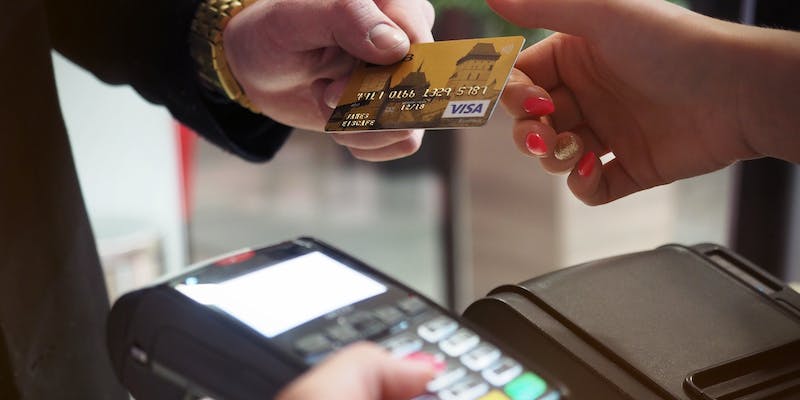
The European Parliament has taken a decisive step toward revolutionizing financial transactions in the EU with the introduction of the Instant Payments Regulation. This cutting-edge legislation mandates payment service providers to process euro transactions in a remarkable 10 seconds or less, heralding a new era of efficiency for the European economy. The move underscores the EU’s commitment to digital innovation and enhanced economic dynamism. By streamlining transactions, the Instant Payments Regulation is poised to offer both consumers and businesses an unparalleled level of speed and convenience, significantly improving the flow of financial operations within the single market. This legislative leap will not only modernize payment systems but also bolster the region’s competitiveness, facilitating seamless economic interaction across the Union’s member states.
Realizing a New Era of Financial Transactions
The Advent of Instant Payments
In response to the fast-paced digital economy, the EU now requires payment service providers to enable instant euro transactions. This measure eradicates the delays inherent in traditional banking, ushering in a new era of speedy fund transfers. Businesses across Europe will benefit from this remarkable improvement in banking efficiency. Instant payments will transform European financial practices by ensuring that funds are transferred swiftly, fostering an environment of enhanced banking agility. European transactions will thus experience unprecedented fluidity, setting a new benchmark for banking promptness and reliability. The shift signifies a crucial adaptation to the evolving demands of the digital age, with the acceleration of payment processing reflecting a broader commitment to economic innovation and competitiveness within the Union.
Benefits Across EU Member States
The implementation of instant payments across the European Union stands to transform the financial landscape significantly, both for consumers and businesses. By streamlining transactions, it facilitates much smoother cross-border commerce, ensuring a more fluid movement of funds. This heralds a new era for businesses, providing the kind of cash flow fluidity that can substantially bolster economic activity. The inclusion of all EU nations in this financial upgrade is indicative of deeper economic cohesion. Effectively, it enhances integration and inclusion at an economic level, propelling the EU toward becoming an even more connected economic entity. The initiative goes beyond mere transactional convenience, laying the groundwork for a strengthened internal market with potential ripple effects on global trade dynamics. Enabled by this initiative, the EU takes a significant step in reinforcing its stance as an integrated economic zone.
Fostering Fair and Secure Financial Practices
Balancing Costs with Service Efficiency
The introduction of real-time payment technology marks a significant leap forward in financial transactions, ensuring a swift exchange of funds. Importantly, this efficiency doesn’t come at a financial premium for consumers, thanks to critical legislation. Regulations mandate a fee equivalence between instant payments and standard transactions, thereby removing any monetary disincentive. By pegging the costs of these two transaction types, changes to the infrastructure pave the way for their mainstream adoption. This fee parity is not only consumer-friendly but also inclusive, promoting a financial environment where every sector of society can capitalize on the advantages of instantaneous financial activities. This regulatory approach is designed to foster an equitable scenario where improved payment speeds are accessible to all, without the burden of additional costs. The move facilitates a smooth transition over traditional payment methods and represents a deliberate effort to empower users, irrespective of the transaction speed they choose.
Ensuring Transaction Security
The digital financial landscape has experienced a remarkable evolution, leading to the development of agile transaction methods. However, this comes with a price – an increased vulnerability to fraud. To safeguard this realm, stringent regulatory frameworks are in place that compel payment service providers to undergo thorough vetting. This diligent screening process ensures adherence to global sanctions and thwarts the funding of terrorist activities.
The European Union is at the forefront of this battle, mandating rigorous security protocols to prevent financial crimes. These regulations are critical in maintaining the sanctity of the financial market and fostering trust among its participants. By reinforcing transaction security and rigid compliance, the EU stands guard against financial malpractice, thereby cementing the reliability and stability of its fiscal environments. This vigilance is not just a protective measure but a foundational pillar ensuring the safe conduct of digital financial operations.
Shaping Europe’s Financial Future
The EU’s move to embed real-time payments within its financial systems underscores a commitment to progress and the recognition of the critical importance of expedient and safe transactions. This initiative reflects the EU’s visionary approach, taking advantage of the latest technological advancements to forge a financial infrastructure that is both strong and agile. The swift processing of payments will significantly reduce both time and costs, underscoring the EU’s role in crafting an avant-garde, interconnected economic landscape. Such financial ingenuity could potentially stand as a benchmark for global monetary practices. The progressive measure not only aligns with the demand for immediate financial settlements but also fortifies the Union’s economic fabric, demonstrating adaptability and cohesion. Embracing these instantaneous transactions illuminates the EU’s role as a pioneering influence within the global finance community, setting a precedent that may inspire future reforms on a worldwide scale.