

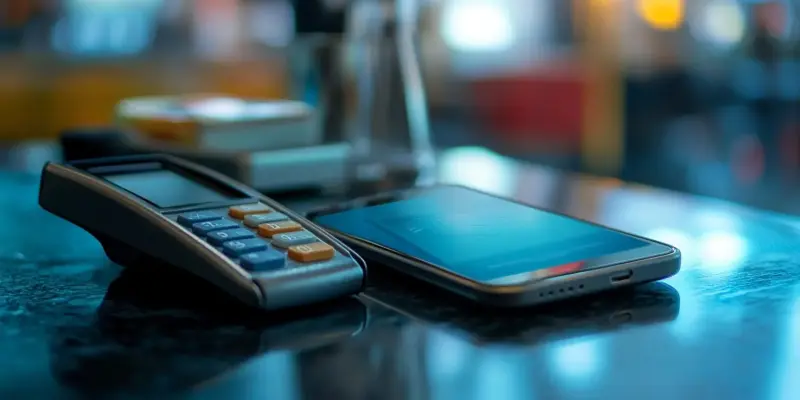
The rapid evolution of technology has significantly changed how individuals conduct financial transactions, with mobile wallets emerging as a convenient and secure method for managing payments via smartphones, tablets, or smartwatches. As these digital tools become increasingly popular, they also bring a new set of security challenges that need to be addressed. Mobile wallets utilize various safety measures, including encryption and tokenization, to protect user data. Additionally, the use of biometric features such as fingerprint and face scans adds extra layers of security, making it harder for unauthorized users to access sensitive information.
Common Security Risks
Mobile wallets, despite their numerous protective features, are not completely immune to security threats. Phishing attacks, social engineering scams, data breaches, and hacking are some of the most common risks associated with these digital payment methods. These threats can lead to the exposure of sensitive payment information, making users vulnerable to scams and financial losses. Phishing attacks often involve deceptive emails or messages that trick users into revealing personal information, while social engineering scams exploit human psychology to gain unauthorized access to mobile wallets.
Losing one’s phone or having it stolen is another significant concern, especially if proper authentication measures are not in place. Without robust security protocols, unauthorized individuals may easily access the mobile wallet and its stored financial data. This highlights the importance of implementing strong authentication methods, including biometric verification and two-factor authentication (2FA), to safeguard user information. Furthermore, the need for constant vigilance in recognizing suspicious activities and maintaining updated software versions cannot be understated, as these steps significantly reduce the likelihood of security breaches.
Best Practices for Securing Mobile Wallets
To effectively mitigate the risks associated with mobile wallets, it is essential to adopt best practices that enhance security. Enabling two-factor authentication (2FA) is a critical step, as it adds an extra layer of verification, making it harder for unauthorized individuals to access the mobile wallet. Combining strong passwords with biometric authentication, such as fingerprint or facial recognition, further strengthens security by ensuring that only the rightful owner can access the wallet. Regularly updating apps and device software is also crucial, as updates often include security patches that address vulnerabilities.
Avoiding suspicious links and disabling automatic connections to public Wi-Fi are additional measures that can help protect user data. Public Wi-Fi networks are often unsecured; connecting to them can expose sensitive information to malicious actors. By disabling automatic connections, users can ensure that their devices only connect to trusted networks. Moreover, being wary of potential phishing attacks and educating oneself about common scams can prevent falling victim to social engineering tactics. The combination of these best practices creates a robust security framework that can effectively safeguard mobile wallets from various threats.
Mobile Wallet Security Comparison
When comparing the security features of popular mobile wallets like Apple Pay, Google Pay, and Samsung Pay, it is evident that each platform offers unique strengths and capabilities. Apple Pay, for instance, emphasizes user privacy with robust features such as Face ID, Touch ID, and a secure element chip designed to protect card details. These biometric authentication methods ensure that only the owner can access the wallet, providing a high level of security. Google Pay, on the other hand, employs encryption, tokenization, and AI-driven fraud detection to offer comprehensive cross-platform security.
Samsung Pay sets itself apart with its Magnetic Secure Transmission (MST) technology, which enables compatibility with older card readers. The use of Samsung Knox further enhances security by providing an additional layer of protection. Each of these mobile wallets has its own advantages; Apple Pay excels in privacy, Google Pay leverages AI for advanced security, and Samsung Pay ensures broad device compatibility. Understanding the unique security features of each platform allows users to make informed decisions when selecting a mobile wallet that best meets their needs.
The Role of Blockchain in Mobile Wallet Security
Blockchain technology has the potential to revolutionize mobile wallet security by providing features such as encryption, decentralization, and immutability. These attributes make transactions more transparent and tamper-proof, significantly reducing the risk of fraud. By eliminating intermediaries, blockchain technology ensures that transactions are secure and efficient. Decentralized finance (DeFi) wallets further enhance security by giving users control over their funds through private keys and smart contracts, thereby reducing the reliance on third-party institutions.
The immutable nature of blockchain records ensures that once a transaction is recorded, it cannot be altered, offering a robust defense against tampering. Moreover, the decentralized aspect of blockchain technology means that there is no single point of failure, which makes it harder for hackers to compromise the system. As blockchain technology continues to evolve, it is expected to play an increasingly important role in enhancing the security of mobile wallets, providing users with confidence in the integrity and safety of their financial transactions.
Regulatory and Compliance Aspects
Regulatory and compliance requirements play a crucial role in safeguarding user data and ensuring the security of mobile wallets. Government regulations, such as the Payment Card Industry Data Security Standard (PCI-DSS) and the General Data Protection Regulation (GDPR), mandate stringent controls on data storage and sharing. These regulations help protect user information from fraud and breaches, fostering a secure environment for mobile wallet transactions. By adhering to these regulatory standards, mobile wallet providers can build trust with their users and demonstrate their commitment to data security.
Mobile wallets employ various security measures to comply with regulatory requirements, including tokenization, encryption, and biometric authentication. Tokenization replaces sensitive payment information with unique tokens, reducing the risk of data exposure. Encryption ensures that data is securely transmitted and stored, making it difficult for unauthorized parties to access it. Biometric authentication adds an additional layer of security by requiring unique physical characteristics for access. By integrating these measures, mobile wallets can provide a secure platform that complies with regulatory standards and protects user information.
Future Trends in Mobile Wallet Security
The rapid evolution of technology has significantly transformed how people handle financial transactions, with mobile wallets emerging as a convenient and secure means of managing payments through smartphones, tablets, or smartwatches. These digital tools have gained popularity due to their ease of use and advanced security features. However, with their rise in use comes a new set of security challenges that need to be tackled to ensure user safety.
Mobile wallets implement various safety measures such as encryption and tokenization to safeguard user data from potential breaches. Encryption ensures that data is converted into a code that only authorized users can decipher, while tokenization substitutes sensitive data with unique symbols, making it difficult for cybercriminals to access the original information.
Additionally, the integration of biometric features like fingerprint scans and facial recognition adds extra layers of protection, making it far more challenging for unauthorized individuals to gain access to sensitive financial information. As mobile wallets continue to evolve, maintaining robust security protocols will be crucial in earning and keeping users’ trust.