

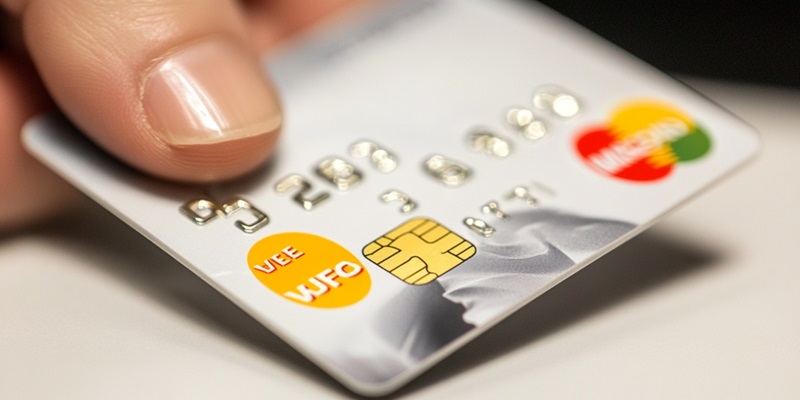
Enfuce, a leading issuer processing powerhouse, has partnered with Mastercard to launch their groundbreaking E2 card in the UK, France, and Germany. This innovative card seamlessly combines both debit and credit functions, aiming to revolutionize the consumer banking experience across Europe. This collaboration marks a significant leap in integrating technology and consumer convenience, underlining the dynamic shifts in the fintech landscape.
Expansion of E2 Card: A Pioneering Collaboration
Enfuce’s Vision and Partnership with Mastercard
Enfuce has consistently sought to push the boundaries of traditional banking. The E2 card, which merges debit and credit functionalities into a single card, underscores their commitment to innovation. Successfully implemented in the Nordic market, Enfuce now collaborates with Mastercard to expand this pioneering product into key European markets.
Enfuce’s partnership with Mastercard is a strategic maneuver that leverages Mastercard’s extensive network and technological prowess. This alliance provides the necessary support to facilitate the card’s many features and ensures seamless integration into new markets. Co-founders Monika Liikamaa and Denise Johansson have expressed optimism about this expansion, highlighting its potential to significantly influence consumer habits and enhance the overall banking experience.
Consumer Convenience and Enhanced Banking Experience
The E2 card is designed with the consumer in mind, simplifying financial management by allowing users to switch between debit and credit transactions using a single PIN. Customers can designate their default payment method and toggle between the options at the point of sale, facilitating a more seamless and intuitive payment experience. This level of convenience is unprecedented, helping users manage their finances more effectively with fewer cards.
The integration of both functionalities into one card minimizes the need for multiple cards and reduces the likelihood of overdraft fees. Users enjoy streamlined account management, improved transaction clarity, and easy tracking of expenditures through digital wallets, which the E2 card supports. These features collectively foster a more intuitive banking experience, aligning with the growing demand for simplicity and efficiency in financial products.
Environmental and Security Advantages
Reduced Plastic Waste and Promotion of Sustainability
In an era where environmental consciousness is paramount, the E2 card addresses the need to reduce waste by combining debit and credit functionalities into a single card. Banks no longer need to issue two separate cards, thus reducing plastic consumption and aligning with broader sustainability goals. This consolidation signifies a meaningful step towards more eco-friendly banking practices, reflecting both consumer and institutional concerns over environmental impacts.
The shift towards fewer physical cards directly reduces the environmental toll associated with the production and disposal of plastic cards. Financial institutions adopting the E2 card can visibly commit to environmental responsibility, an important factor for many modern consumers. This environmentally friendly approach could enhance the institution’s brand reputation and cater to a demographic increasingly leaning towards sustainable choices.
Enhancing Security and Financial Control
Security is a critical concern for consumers more than ever, and the E2 card offers enhanced security features by enabling users to switch between debit and credit modes. This capability is particularly useful for high-value purchases, offering a protective measure for debit account balances while utilizing credit limits for larger transactions. Such features are essential in today’s digital age, where financial fraud and unauthorized transactions are constant threats.
The ability to customize spending limits and controls in real time provides an extra layer of financial security. Users can adjust their preferences to match their spending habits, thereby mitigating the risk of financial fraud and unauthorized transactions. This real-time control adds a level of personalization and reassurance for users, fostering a sense of security and trust in the product’s capabilities.
Strategic Market Adaptation
Addressing Market Gaps in the UK, France, and Germany
Expanding into the UK, France, and Germany allows Enfuce to tap into large, diverse markets where dual-PAN technology has yet to be fully utilized. These regions represent substantial opportunities for growth, as consumers increasingly demand innovative and flexible banking solutions. Enfuce’s decision to introduce the E2 card into these markets aims to fill existing gaps and set new standards for customer experience in banking.
By tapping into these markets, Enfuce meets the rising consumer demand for more adaptable and intuitive banking products. The partnership with Mastercard, robust with its established trust and infrastructure, supports this endeavor by ensuring smooth transitions and high consumer adoption rates. This strategic market penetration is a testament to the product’s potential impact in revolutionizing consumer banking experiences.
Leveraging Mastercard’s Network and Expertise
Mastercard’s extensive network and expertise play a vital role in the successful deployment of the E2 card. By collaborating with Mastercard, Enfuce can take advantage of established systems and trust mechanisms to facilitate consumer adoption and market penetration. Andreas Spengel, a prominent executive at Mastercard, underscores the collaborative effort to bring innovative payment solutions to a wider audience, emphasizing the importance of partnerships in driving industry innovation.
This alliance with Mastercard ensures that the technical and operational aspects of the E2 card are fully supported, thereby providing a solid foundation for its successful launch in new markets. The collaboration exemplifies how fintech partnerships can lead to significant advancements in consumer banking, combining expertise and resources to deliver superior, innovative products.
Enhancing Customer Loyalty and Competitive Edge
Customization and Real-Time Control
The E2 card offers unmatched flexibility in terms of customization. Issuers can design unique card products tailored to specific consumer needs, setting spending limits and controls that can be adjusted in real time. This adaptability is crucial in maintaining customer loyalty, as it allows financial products to adapt alongside consumer spending patterns. Such dynamic features are increasingly important in a market where consumer expectations are constantly evolving.
For consumers, the ability to personalize their card’s settings provides a sense of control and security. This real-time responsiveness to individual preferences enhances the overall user experience and fosters a deeper connection with the financial institution. It demonstrates that the institution values its customers’ needs and is committed to providing a top-tier, adaptable service.
Differentiating in a Crowded Market
Enfuce, a prominent name in issuer processing, has teamed up with Mastercard to unveil their groundbreaking E2 card in the UK, France, and Germany. This card is pioneering in its design, merging debit and credit functionalities into a single, user-friendly option. By doing so, it aims to revolutionize how consumers manage their finances, significantly enhancing the banking experience throughout Europe.
This strategic partnership marks a significant step forward in the fintech sector, highlighting the rapid technological advancements and increasing focus on consumer convenience. As digital solutions continue to evolve, Enfuce and Mastercard’s collaboration is a testament to the dynamic transformations within the financial landscape.
The E2 card is anticipated to set a new standard in the industry by offering the best of both worlds: the convenience of a debit card and the advantages of a credit card. Their innovative approach not only reflects growing consumer demand but also underscores the importance of staying ahead in a competitive market. With Enfuce and Mastercard leading the charge, the E2 card is poised to become a game-changer in the European banking industry.