

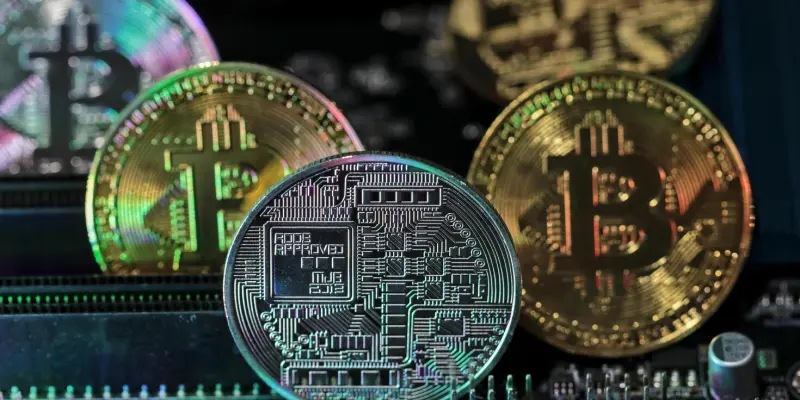
As the cryptocurrency landscape continues to evolve, several emerging digital currencies are capturing the attention of investors and analysts alike. These cryptocurrencies set themselves apart not only by their innovative technologies but also by their potential to redefine the altcoin market. The focus has shifted from simple speculation to real-world applications and sustainable growth, presenting a new wave of investment opportunities. Among these promising digital assets, BlockDAG (BDAG), Sui (SUI), Worldcoin (WLD), and Toncoin (TON) stand out due to their unique characteristics and the substantial influence they promise to wield within the crypto ecosystem. Their development has been driven by advanced technologies, strong market strategies, and increasing interest from developers, all of which signal a shift from the traditional dominance of Bitcoin and Ethereum. The success of these projects lies in their ability to blend technological advancements with practical applications, a crucial factor that appeals to today’s discerning investors seeking to diversify their portfolios. This article delves into the specifics of each cryptocurrency, examining how they are positioning themselves as formidable players poised to redefine the altcoin arena. From efficient block transactions to bridging digital identities with cryptocurrencies, each of these coins underscores a specific niche that could fuel their growth and integration into the broader market. This comprehensive analysis aims to provide insights into how they could potentially influence the crypto investment landscape moving forward, highlighting the strategic elements that distinguish each emerging platform.
BlockDAG (BDAG): Pioneering Innovator in Efficient Transactions
BlockDAG is making substantial strides within the cryptocurrency domain, marked notably by an impressively successful presale that amassed nearly $250 million—indicative of strong anticipation and market demand. The cornerstone of BDAG’s appeal lies in its utilization of Directed Acyclic Graph (DAG) technology, a structure that supports rapid, simultaneous confirmations of blocks. This method stands out for its capability to handle numerous transactions at once, thereby offering increased scalability and efficiency. Such features are essential in maintaining low transaction times and costs, which have become critical metrics for evaluating blockchain performance. Consequently, this has positioned BlockDAG as a significant contender in the race to improve decentralized systems’ efficiency and scalability.
Beyond transactional improvements, BlockDAG is committed to fostering a robust ecosystem that supports decentralized applications (dApps), NFTs, and decentralized finance (DeFi) platforms. The establishment of developer academies and the deployment of hackathons further emphasize its dedication to nurturing a community built upon innovation and technical growth. Such initiatives underline a strategic roadmap that seeks sustained engagement with the developer community, driving forward incremental yet meaningful blockchain enhancements. For investors, this signals a distinctly promising prospect, offering both substantial returns and practical utility. BlockDAG’s journey is emblematic of a future where continuous technical evolution and community engagement will be the linchpins of the cryptocurrency markets’ durability and expansion.
Worldcoin (WLD): Bridging Identities and Cryptocurrencies
Worldcoin introduces a revolutionary approach by integrating identity verification into the cryptocurrency framework. By implementing biometric orb technology, Worldcoin has already verified over 12.4 million users globally, spanning 160 countries. This ambitious undertaking is backed by significant figures, including OpenAI’s CEO, and supported by prominent entities such as Visa and Tinder. These collaborations lend Worldcoin substantial credibility, moving it from a theoretical concept into a viable and impactful product. By entering substantial markets like the U.S., Worldcoin is navigating a path filled with potential growth opportunities, though it also faces challenges such as privacy and regulatory issues. In its approach, Worldcoin offers an intriguing solution to one of the digital economy’s most persistent challenges: ensuring accurate and secure identity verification. This capability could redefine access to Web3 platforms, streamlining how individuals engage with blockchain-based services without compromising security. For investors interested in the intersection of technology, finance, and identity management, Worldcoin presents an attractive opportunity with the potential for significant growth. Its ongoing efforts to balance innovation with regulatory compliance will likely dictate its trajectory, setting it as a potential leader in marrying financial technology with identity solutions.
Sui (SUI): Championing Blockchain Gaming and DeFi
Sui has established itself as a noteworthy force within the blockchain gaming and DeFi spaces, underscored by its status as the sixth-largest smart contract platform with a total value locked exceeding $1.8 billion. Central to Sui’s strategy is its focus on scalable smart contracts, which cater to the burgeoning realms of blockchain gaming and decentralized financial applications. Key innovations like the SuiPlay gaming platform and the forthcoming launch of the SuiPlay0X1 console highlight the platform’s commitment to leveraging these dynamic sectors. By capitalizing on the growth potential within blockchain gaming, Sui is positioning itself at the forefront of a rapidly evolving industry, offering investors a chance to engage with a segment experiencing robust expansion.
While some investors express reservations about Sui’s high market valuation and its implications on future growth potential, the platform’s comprehensive vision suggests long-term viability. If current trends in gaming and DeFi continue to gain traction, Sui’s investments in infrastructure and technology could pay significant dividends. For investors looking to capitalize on the latest trends within the digital sphere, Sui presents a compelling proposition. Its focus on combining gaming and DeFi is indicative of an industry increasingly driven by utility and versatility, elements that will likely shape its success as part of a more extensive network of blockchain applications.
Toncoin (TON): Leveraging Telegram’s Massive Audience
As the cryptocurrency landscape transforms, several emerging digital currencies are gaining significant traction among investors and analysts. These novel cryptocurrencies, distinguished by cutting-edge technologies, hold the potential to reshape the altcoin market. The focus has transitioned from mere speculation to tangible applications and sustainable growth, unveiling new investment avenues. Especially notable are BlockDAG (BDAG), Sui (SUI), Worldcoin (WLD), and Toncoin (TON), all marked by distinctive traits and promising substantial influence within the crypto ecosystem. Fueled by advanced technologies, robust market strategies, and growing developer interest, these coins signify a shift from Bitcoin and Ethereum’s dominance.
Success hinges on melding technological progress with practical use, appealing to today’s investors eager to diversify. This exploration dissects each cryptocurrency, revealing how they aspire to redefine the altcoin terrain. From streamlining block transactions to linking digital identities with cryptocurrencies, each coin targets a niche promising growth and market integration. The objective is to provide insights into their potential impact on the crypto investment landscape, emphasizing strategic elements defining these emerging platforms.