

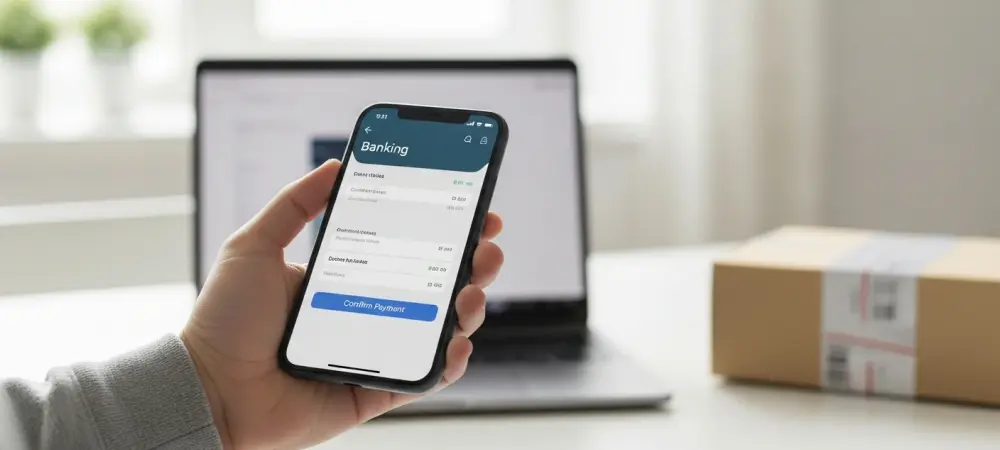
The traditional reliance on plastic cards is rapidly fading as digital native consumers demand payment methods that are as instantaneous as the internet itself. This shift has prompted eBay to forge a landmark partnership with TrueLayer, Europe’s leading open banking network, to introduce a seamless bank-to-bank payment experience for millions of shoppers across the United Kingdom. By integrating this technology, the e-commerce titan is not just adding a checkout button but is fundamentally redesigning how value moves across its platform.
This strategic move aims to diversify eBay’s financial ecosystem while reducing the friction associated with traditional card networks. Through this guide, we explore the mechanics of this integration and the implications it holds for the future of digital commerce. Readers will gain a clear understanding of how open banking is moving from a niche fintech concept to a mainstream standard in one of the world’s most active online marketplaces.
Key Questions: Exploring the New Payment Frontier
Why Is eBay Shifting Toward a Pay by Bank Model?
Traditional payment systems often involve multiple intermediaries, which can lead to higher costs and increased opportunities for technical failure or fraud. For a massive marketplace like eBay, the ability to bypass these legacy rails provides a more direct and efficient route for transactions. By adopting open banking, the platform can offer a checkout experience that feels more integrated with the user’s existing financial tools, specifically their personal banking applications.
This evolution is largely driven by a desire to meet modern consumer expectations for speed and security without the cumbersome need for manual data entry. Furthermore, the collaboration allows eBay to stay ahead of regulatory and commercial pressures that are currently reshaping the global payments landscape. As shoppers become more comfortable with direct bank authentication, the reliance on physical credit and debit cards naturally diminishes in favor of these streamlined alternatives.
How Does the Integration With TrueLayer Enhance User Security?
Security remains a paramount concern for online shoppers, and the Pay by Bank feature addresses this by utilizing bank-grade authentication protocols. Instead of sharing sensitive card details or login credentials with the merchant, users authorize their payments directly within their own bank’s secure environment. This biometric or multi-factor authentication ensures that the transaction is verified by the institution that holds the funds, significantly reducing the risk of unauthorized access or data breaches.
Moreover, the partnership ensures that convenience does not come at the expense of buyer protection. All eligible purchases made via this new method remain covered under the eBay Money Back Guarantee, providing a familiar safety net for the community. By combining TrueLayer’s robust technical infrastructure with eBay’s established trust framework, the two companies have created a system that is both technically advanced and consumer-friendly, setting a new benchmark for secure digital transactions.
What Does the Strategic Investment by eBay Ventures Signify?
The relationship between these two entities extends beyond a mere technical service agreement, as evidenced by the strategic investment made by eBay Ventures into TrueLayer. This financial backing signals a deep commitment to the long-term potential of open banking as a foundational element of the e-commerce experience. It reflects a broader industry trend where major retailers are no longer passive observers of fintech innovation but are active participants in its growth and direction. This investment underscores the belief that real-time, bank-authenticated payments are transitioning into a global standard. Following TrueLayer’s successful integrations with other major brands like Amazon and Ryanair, this partnership reinforces the momentum of open banking across Europe. For eBay, this is a proactive step toward building a more resilient and cost-effective financial architecture that can adapt to the shifting habits of a digitally savvy global population.
Summary: A New Standard for Digital Transactions
The collaboration between eBay and TrueLayer successfully bridged the gap between traditional retail and modern financial technology. By implementing a real-time payment system, the partnership addressed the growing demand for faster, more transparent transactions that did not compromise on security. The integration provided a clear roadmap for how large-scale platforms could leverage open banking to improve operational efficiency while simultaneously enhancing the end-user experience.
Key takeaways highlighted the importance of moving away from fragmented payment methods toward a unified, bank-direct approach. The initiative proved that shoppers were willing to adopt new financial habits when presented with a more convenient and secure alternative to manual card entry. Ultimately, the successful rollout in the United Kingdom served as a powerful case study for the global e-commerce industry, illustrating the tangible benefits of strategic fintech investments.
Final Thoughts: Navigating the Future of Finance
As the digital economy continues to evolve, the adoption of open banking solutions like Pay by Bank will likely become a prerequisite for any major online retailer. Consumers should consider how these changes offer them greater control over their financial data and transaction speed. This shift represents a broader movement toward a more decentralized and efficient financial world where the consumer’s bank account acts as the primary hub for all digital activity.
Moving forward, the success of this partnership may encourage other global marketplaces to re-evaluate their own payment infrastructures. For the individual user, staying informed about these technological shifts is essential for making the most of the modern shopping experience. Embracing these innovations now will ensure a smoother transition as the world moves further away from the limitations of legacy banking systems.