

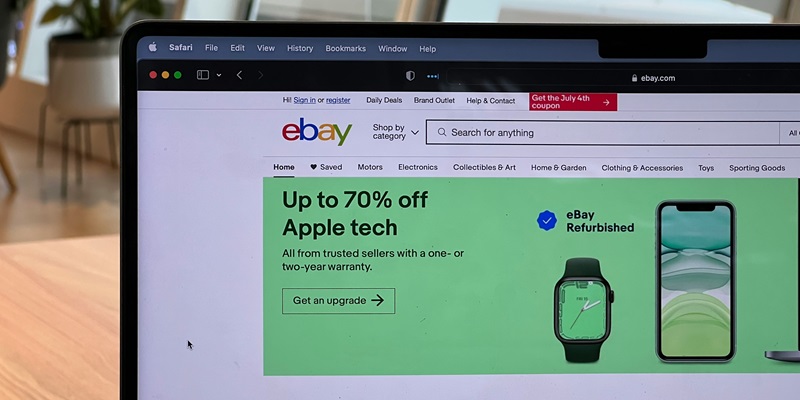
In a nod to the evolving demands of digital marketplace consumers, eBay is setting a new standard for shopping convenience by introducing Venmo as a payment option during the checkout process. This move not only plays into the hands of the increasingly affluent and tech-savvy Gen Z and Millennial generations but also represents a strategic pivot towards future-proofing the platform. With over 90 million Venmo users bringing their preferences to the fore, eBay is actively engaging with an audience that values quick, user-friendly mobile transaction capabilities.
Understanding eBay’s Push for Modernization
The integration of Venmo into eBay’s transaction options speaks volumes about the online marketplace giant’s promise to keep its platform fresh and accommodating to new trends. Recognizing the habits of the younger, digitally-native crowd, eBay is embracing a payment method synonymous with ease and familiarity to millennials and Gen Z shoppers. This isn’t just about keeping up; it’s a deliberate effort to drive transactions through a channel that more than half of eBay users are increasingly favoring – their mobile devices.
By bringing Venmo into the fold, eBay is listening to the drumbeat of modern e-commerce and showing that it can dance to the tune of innovation. With mobile transactions dominating eBay’s sales volume, the adoption of Venmo is not just a nod to current trends but an insightful investment in what the future of online shopping will look like. It’s a strategic play designed to ensure the heavyweight of e-marketplaces remains nimble, adaptable, and ahead of the curve.
Venmo’s Role in eBay’s Payment Ecosystem
The decision to incorporate Venmo as a key player in eBay’s payment ecosystem is about more than just accommodating another payment method. Venmo’s social aspect transforms economic transactions into a shared, communal experience—a style of engagement that resonates heavily with younger users. As Venmo makes its foray into eBay’s payment options within the vast U.S. market, expectations are high that its addition will invigorate an already vibrant eBay landscape.
With the introduction of Venmo, eBay is not merely expanding its payment gateway; it is enhancing the social connectivity intrinsic to the shopping experience of today’s youth. The rollout accentuates eBay’s commitment to providing payment methods that align with the behaviors and demands of their core customer base. As a result, eBay aims to make their shopping experience as frictionless and as agreeable as the social platforms they frequent daily.
Aligning with Fintech Trends and Consumer Preferences
eBay’s strategic pivot goes beyond personalizing its own payment processes; it reflects a substantial shift within the broader financial industry toward a more digital, user-centric approach. Today, there is a rush to create financial solutions that are not only robust and secure but are also tailored to an evolving consumer base that prioritizes convenience and immediacy. eBay’s choice to incorporate Venmo underlines this trend, as does the rise of fintech in transforming traditional banking and finance landscapes.
From Doha Bank’s partnership with Mastercard to the BIS and Bank of Canada’s collaborative efforts at the Toronto Innovation Centre, the financial sector is abuzz with initiatives to redefine the payment experience. These strategic alliances and investments signal a universal endeavor to cater to the modern consumer’s appetite for technological sophistication and an enhanced user journey. eBay’s foray with Venmo is a clear statement that they are part of this forward-thinking cadre, driving change and anticipating shifts in the financial world.
eBay’s Strategy for Growth in the Digital Era
eBay is innovatively responding to the changing needs of the digital shopper by integrating Venmo into its payment methods at checkout. This update is particularly geared towards meeting the expectations of the wealthy, tech-forward Gen Z and Millennials. It signifies a significant shift aimed at ensuring eBay remains relevant in an increasingly competitive online marketplace. Notably, with a user base of over 90 million, Venmo’s involvement reflects eBay’s commitment to providing a streamlined, mobile-first payment experience that resonates with consumers who prioritize speed and convenience in their transactions. By embracing Venmo, eBay is strategically positioning itself to cater to contemporary shopping behaviors and to stay connected with an engaged, digitally-oriented customer base.