

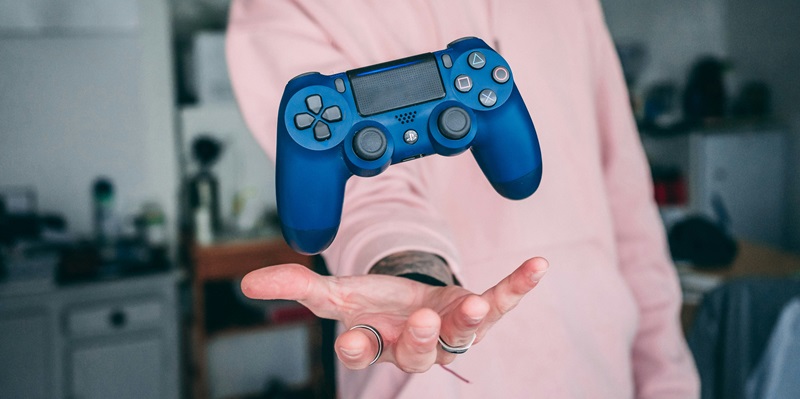
Gaming in Latin America is experiencing a surge in popularity, propelled by an enthusiastic community of over 316 million gamers. The recent partnership between dLocal, a prominent cross-border payment platform, and Eneba, a fast-growing gaming marketplace, aims to further fuel this momentum. By expanding the availability of alternative payment methods (APMs) like bank transfers, card payments, cash payments, and PIX across countries like Argentina, Brazil, Chile, Colombia, Ecuador, Mexico, Peru, and Uruguay, the collaboration promises to make gaming more accessible and enjoyable for millions. This partnership stands as a significant move to democratize gaming, ensuring that players from varying economic backgrounds can fully participate in the digital gaming revolution sweeping across Latin America.
Enhancing Gaming Accessibility
The key to the partnership between dLocal and Eneba is to break down barriers to gaming through efficient and localized payment solutions. This initiative is vital, considering that 82% of Latin American gamers are willing to spend money on video games. The diverse economic landscape of the region demands payment options that are convenient and resonate with local preferences. The introduction of APMs is pivotal in this context. Gamers in Latin America often face challenges in accessing global payment systems due to various financial and regulatory constraints. By offering a range of user-friendly payment methods that align with the local culture and economic practices, the partnership addresses a significant need in the market. This move not only enhances accessibility but also fosters a sense of inclusivity within the gaming community.
Localized payment solutions translate to a more seamless user experience, allowing gamers to focus on what matters most—their gaming journey. As the industry grows, the need for adaptable and accessible financial solutions becomes paramount. The collaboration between dLocal and Eneba is a timely response to this growing demand, ensuring that more gamers can enjoy their favorite titles without unnecessary complications. This strategy is especially important considering the region’s prolific growth in the gaming sector and the eagerness of its consumers to invest in digital entertainment. By addressing the payment challenges specific to Latin America, dLocal and Eneba not only improve the gaming experience but also set a precedent for future initiatives aiming at inclusivity in digital economies.
The Role of Payment Methods
The importance of localized payment methods cannot be overstated. Different regions have unique financial behaviors and preferences, which significantly influence consumer behavior. Eneba, recognizing this, is keen on ensuring that their platform caters effectively to these varied preferences. Mantas Eitutis, Head of Payments & Risk at Eneba, highlights that the partnership with dLocal fortifies their ability to meet the financial needs of their customers, thus driving satisfaction and retention. Easy access to different payment methods is a critical factor for any e-commerce platform. For the gaming industry, where transactions are frequent and often small in value, the availability of diverse payment options can make or break the user experience. By integrating multiple APMs, Eneba ensures that gamers have the flexibility to choose the most convenient payment method for them, eliminating potential barriers to purchase.
This approach also opens up new opportunities for gamers who might have previously been excluded from the global gaming economy due to payment constraints. The ability to use local payment methods enhances trust and encourages spending, leading to a more vibrant and inclusive gaming environment. The partnership serves as a model for how e-commerce platforms can effectively integrate localized payment solutions to enhance user satisfaction and retention rates. This strategy, in turn, positions Eneba as a user-centric marketplace committed to understanding and addressing the unique needs of its diverse audience. The role of payment methods is thus central to the success of digital marketplaces like Eneba, where user experience is paramount, and financial inclusivity is a cornerstone of engagement.
Confidence in dLocal’s Expertise
One of the strengths of this partnership is dLocal’s proven track record in providing seamless payment experiences across Latin America. Agustin Botta, dLocal’s Head of EMEA, emphasizes that the success of this collaboration hinges on dLocal’s ability to deliver reliable cross-border payment solutions. This expertise allows Eneba to focus on its core mission—creating a comprehensive and enjoyable gaming marketplace. dLocal’s role goes beyond just facilitating transactions. The company acts as an enabler of digital experiences, breaking down geographical barriers and allowing gamers to access content freely. This capability is crucial in a rapidly evolving digital landscape where user expectations are continually rising. By ensuring smooth and secure payment processes, dLocal adds significant value to the gaming experience.
Furthermore, this partnership exemplifies a strategic collaboration within the fintech sector. Companies like dLocal and Eneba leverage their respective strengths to address specific market needs, showcasing a successful model for cross-industry cooperation. This synergistic approach is increasingly common as businesses seek to navigate complex international markets. For dLocal, partnering with Eneba represents an extension of its mission to offer seamless payment solutions that cater to the unique needs of high-growth markets. This strategy not only enhances its market presence but also reinforces its commitment to fostering inclusive digital economies. Such collaborations highlight the importance of specialized expertise in navigating diverse economic landscapes and the critical role this expertise plays in the success of digital platforms and services.
The Trend Towards Alternative Payment Methods
The rising demand for alternative payment methods is a broad trend observed not only in gaming but across various industries. As consumers seek more flexible and convenient ways to manage their finances, platforms must adapt to stay competitive. In regions like Latin America, the diversity of economic conditions necessitates a wide range of payment solutions to cater to different consumer segments. For Eneba, the adoption of APMs is a strategic move that aligns with the broader industry trend. By offering multiple payment options, the platform can cater to a wider audience, increasing user engagement and loyalty. This approach also allows Eneba to better serve its existing user base, providing them with the flexibility they need to make purchases easily and securely.
dLocal’s expertise in handling diverse payment landscapes positions it as a key player in this trend. The company’s ability to implement and manage various payment methods across different countries ensures that consumers have access to the financial tools they need, fostering a more inclusive digital economy. This trend indicates a broader shift in the fintech and gaming sectors towards inclusivity and flexibility, aiming to provide enhanced user experiences through varied financial solutions. As more platforms recognize the importance of catering to localized payment preferences, we can anticipate a more democratized digital marketplace where economic barriers are continually diminished. The partnership between dLocal and Eneba exemplifies this shift, setting a benchmark for how strategic collaborations can respond to and capitalize on these evolving consumer demands.
Strategic Collaborations in Fintech
The significance of localized payment methods is immense, especially as different regions exhibit distinct financial behaviors and preferences. Eneba understands this and is committed to catering to these varying preferences on their platform. Mantas Eitutis, Eneba’s Head of Payments & Risk, emphasizes that their collaboration with dLocal strengthens their ability to meet their customers’ diverse financial needs, boosting satisfaction and retention rates. For any e-commerce platform, particularly in the gaming industry where transactions are frequent and often small, the availability of multiple payment options is crucial for a positive user experience.
By integrating various alternative payment methods (APMs), Eneba ensures gamers can choose the most convenient payment method, removing potential purchase barriers. This strategy not only enhances trust but also encourages spending, making the gaming world more inclusive. It opens up new opportunities for gamers who were previously excluded due to payment constraints. This partnership exemplifies how e-commerce platforms can successfully incorporate localized payment solutions to improve user satisfaction and retention. Ultimately, this positions Eneba as a user-centric platform focused on addressing its diverse audience’s unique needs. Thus, payment methods play a central role in the success of digital marketplaces like Eneba, where user experience and financial inclusivity are key to engagement.